

The Mistress of the Copper Mountain
For the wretched to meet her is grief, and the good man finds little joy
A Guest Essay By - Michael Armentor
*** A Call From the Muses ***
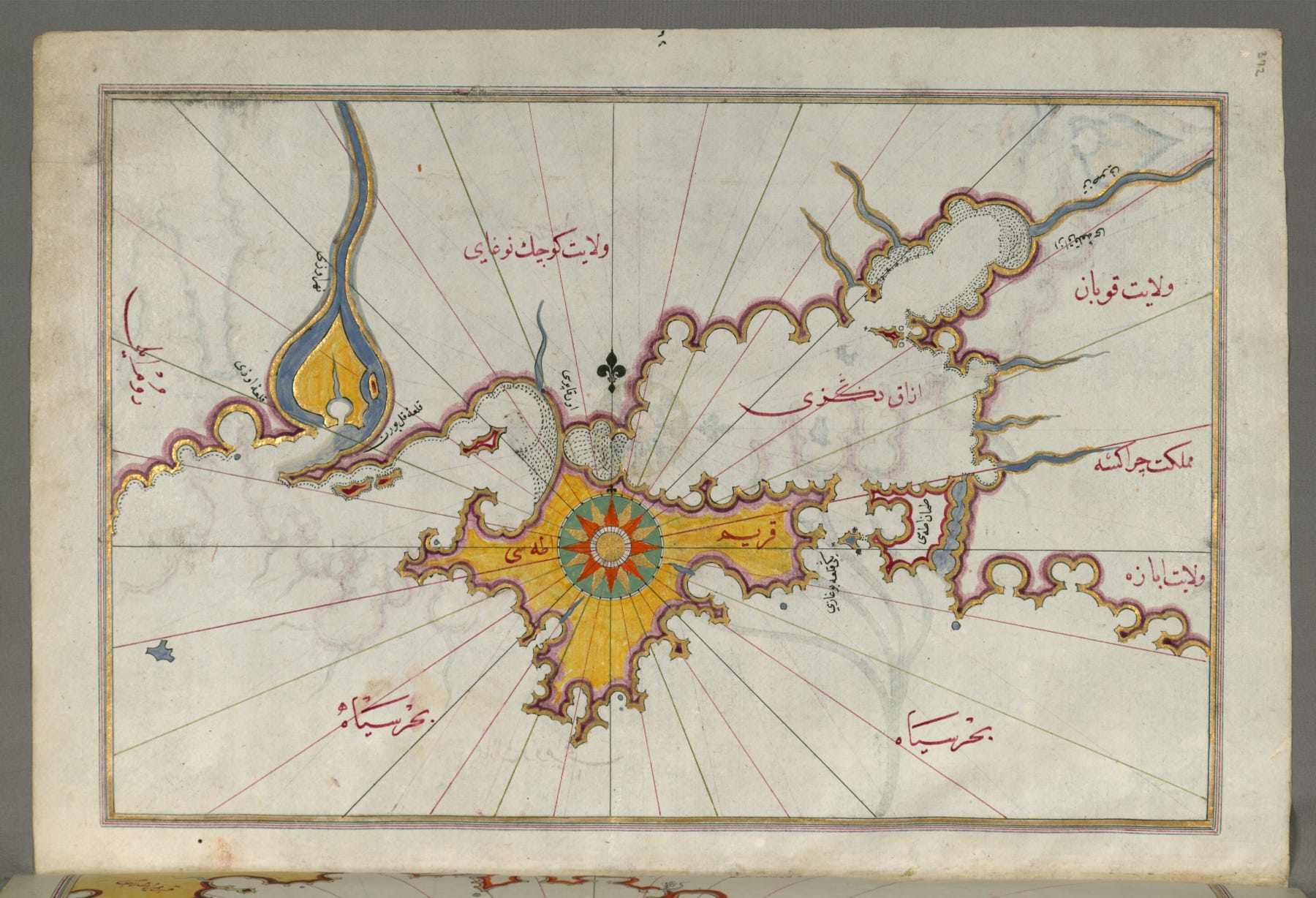
Launching from the fog-shrouded beaches of the Dobruja, our trireme cuts through the low waves, making good time. Days into this peaceful voyage, our Greek navigator produces a small, weathered flask and passes it among the crew. A special brew from Eleusis, he says, to brace our hearts and fortify our minds.
Sleep comes swiftly under the moonless sky. Then, without warning, we rise, our spirits soaring free of flesh. Below, our bodies still lie slumbering on the deck, shrinking to motes as we ascend.
A silver light flashes, and we are hurled northward at impossible speed. Over the still waters of the Black Sea, past Odessa, past Crimea, the world below streaking into a blur.
Then, abruptly, we stop. The sea beneath is calm again. Our gaze is drawn downward, where a single vessel drifts upon the Sea of Azov in the pre-dawn light…
Act 1
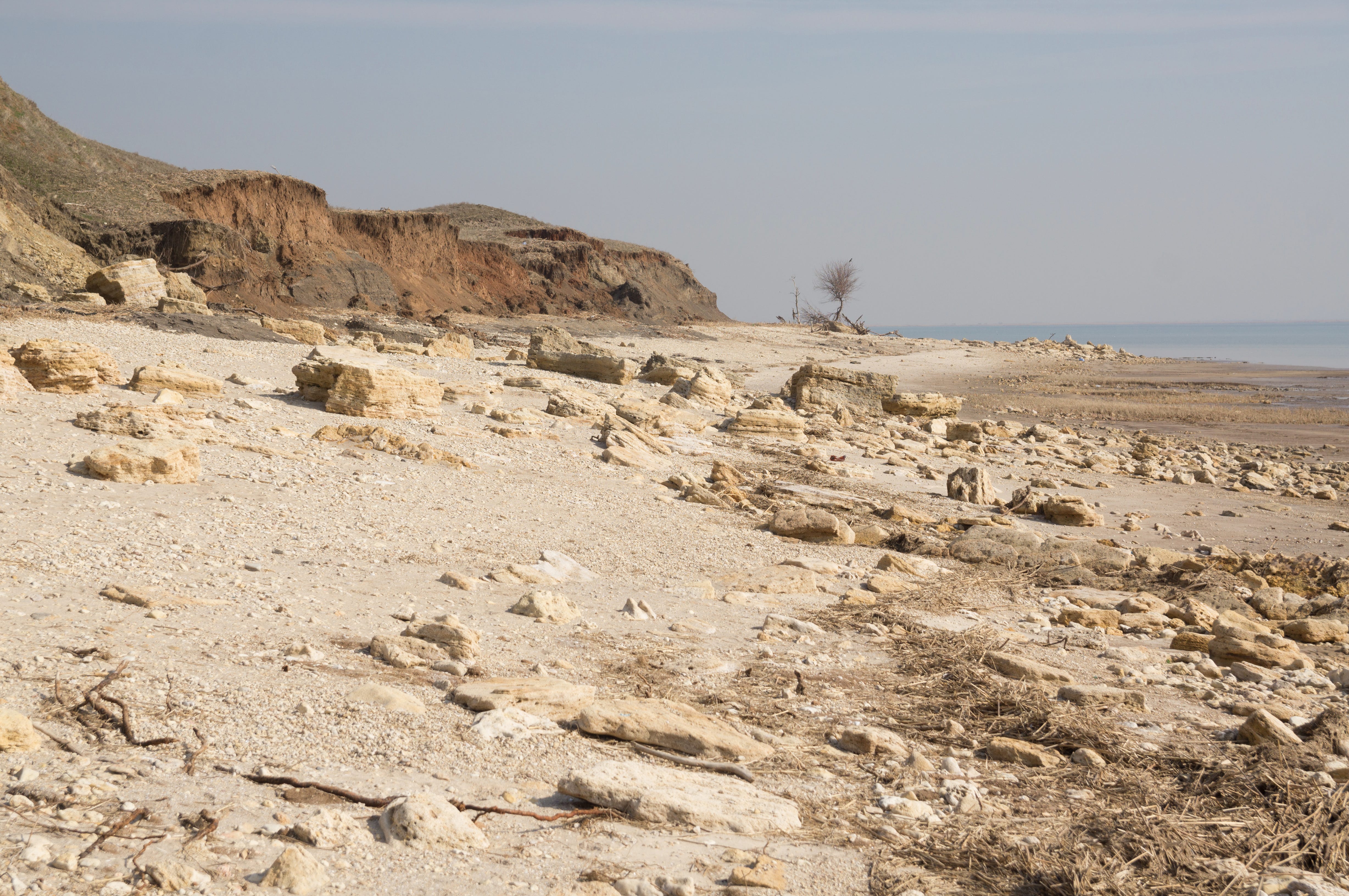
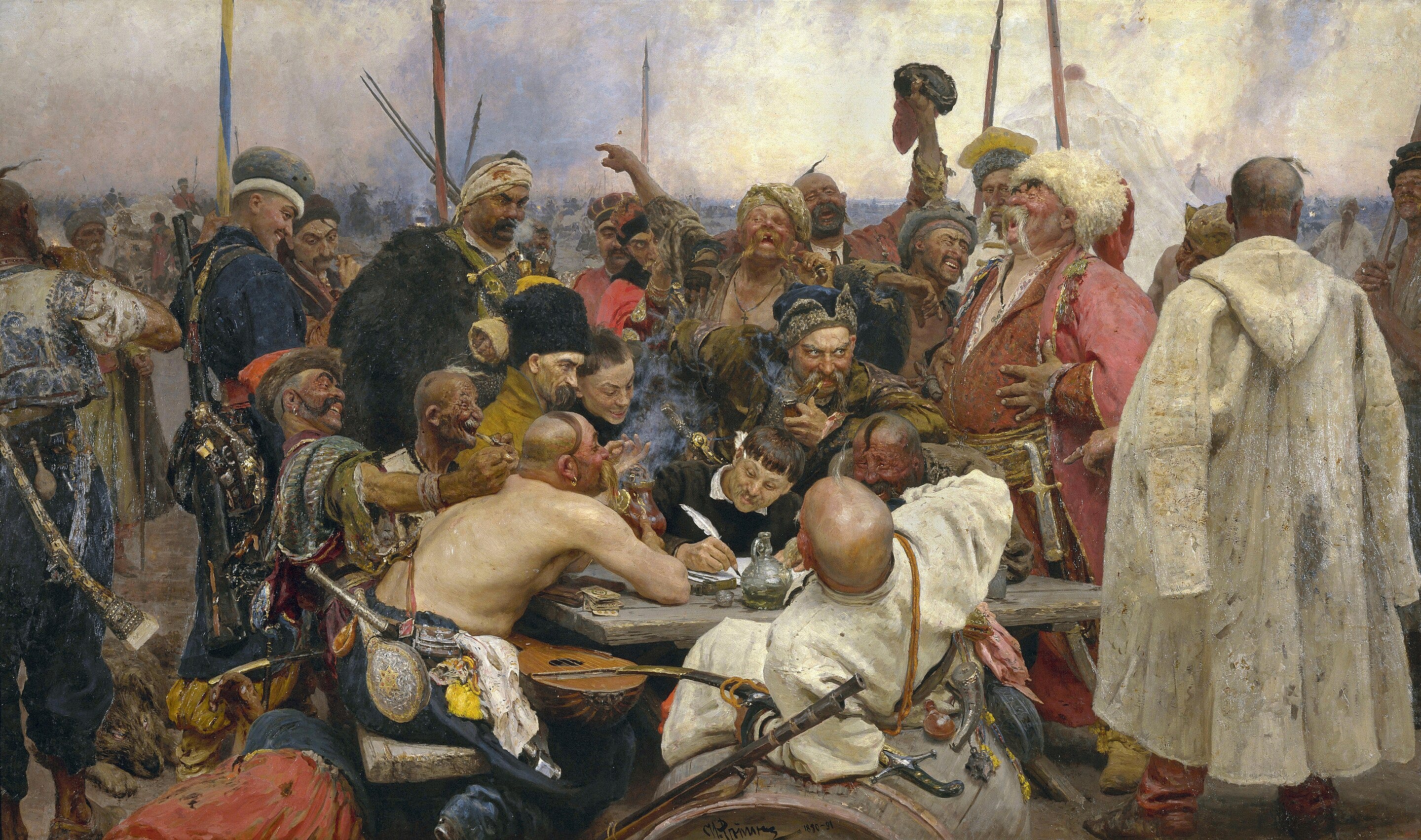
“There is no extradition from the Don. I don’t care what you hear.” Stepan spat at the damp fire. Around it sat friends and half-known faces, wet coats and hollow cheeks. “I’ll clear Rostov by morning on the usual road. We’ll be at the stash by moonlight. Boris will never know. We’ll sail home laden. To hell with Bohdan’s plan to flee to the Ottoman Empire! I won’t stand for it.”
He pushed the words sharper now, taste of old grudges in his mouth. As a Cossack, he had never seen Ottomans be anything else than raiders and slave-masters who treated life as nothing. “Nothing and no one will stop me from returning to where I was born. Stand with me now, or go in peace.”
The challenge hung in the branches. The men rose slowly and melted into shadow, hands drifting toward belts, eyes flicking — home, riches, violence — each man holding his own hunger.
As if on cue in the great play that ruled all men, Boris stepped into the clearing. He said nothing — only breathed deep and held his hands to the weak fire. The forest fell still. Even the frogs and insects paused their songs. Flames carved the map of Boris’s face: lines earned from raids along the Anatolian coast. He watched the fire, thinking. Stepan was young, reckless, but clever and brave. Boris liked him, he didn’t want the boy dead.
Still, things had grown dangerous. Rumors had spread of a Imperial “Army of Loyal Cossacks,” ready to crush free raiders like them. It was 1785, and the lands surrounding the Sea of Azov had turned against them. Boris already had a plan to join the new army—but a mutiny would ruin it. Losing half his men meant fewer spoils, fewer shares, and too many questions.
“Well? Isn’t this the part where you stab me, Brutus?” Boris’s voice was calm, almost amused. A jeweled hand gestured toward Stepan, the firelight flashing red across its stones. “Haven’t you dogs ever staged a proper mutiny? Shall I teach you that too, as I’ve taught you everything else?”
He turned his gaze on Stepan. “Can’t you wait one more night? The fleet lies a day’s journey from here; ships under repair, ripe for the taking. The richest prize we’ve ever had. Are you so eager to stick a knife in the man who raised you from nothing?”
The words struck their mark. The men shifted, murmuring. For months Boris had kept his plans secret; now he had dangled the promise of gold before their starving eyes.
Stepan’s face burned red, then pale. He saw the truth too late — if he spoke again, he’d be the only thing standing between hungry men and their fortune. Outplayed, he sat down, staring into the fire as laughter broke the tension. The men crowded close once more, spirits merging like smoke, the night drawing them back into one uneasy brotherhood.
Stepan slept poorly. He and his dear friend Palvo had talked long into the night, circling the same questions: how much Boris had overheard, what would happen come morning? As always, they ended where they began: Boris was a step ahead, and without more of the men on their side, they had no chance.
Before dawn, Stepan stirred beneath his thin mat. The camp buzzed like an overturned anthill. He touched the small things that still bound him to life — the silver earrings marking the loss of his family — and the pouch of soil from his home. They were his only proofs of being Cossack, the last of his line.
His hair hung wild and unbraided, his beard untrimmed, to Boris’s annoyance. The earrings and the pouch felt heavy today, dragging at his neck like anchors. He feared their weight was the pull of extinction itself. Palvo, who wore the same earrings, urged patience every time Stepan’s anger rose. “Wait and see,” Palvo always said. “Wait and see.”
In the morning, after hours of sailing in the dark they reached the coast. Immediately, Stepan knew something was wrong. A lone ship ahead sat dead still, not part of any fleet as Boris had promised. Stranger still for a band of pirates, Boris had waited until near dawn to move, though the vessel had been in sight for hour, losing their mercenary group’s one advantage: surprise.
A knot tightened in Stepan’s gut. The wind had turned strange — strong as a storm though the sky was pale and clear. It pressed against his chest, humming with unseen warning. Fatigue blurred his thoughts, but unease sharpened them again. Something was about to break.
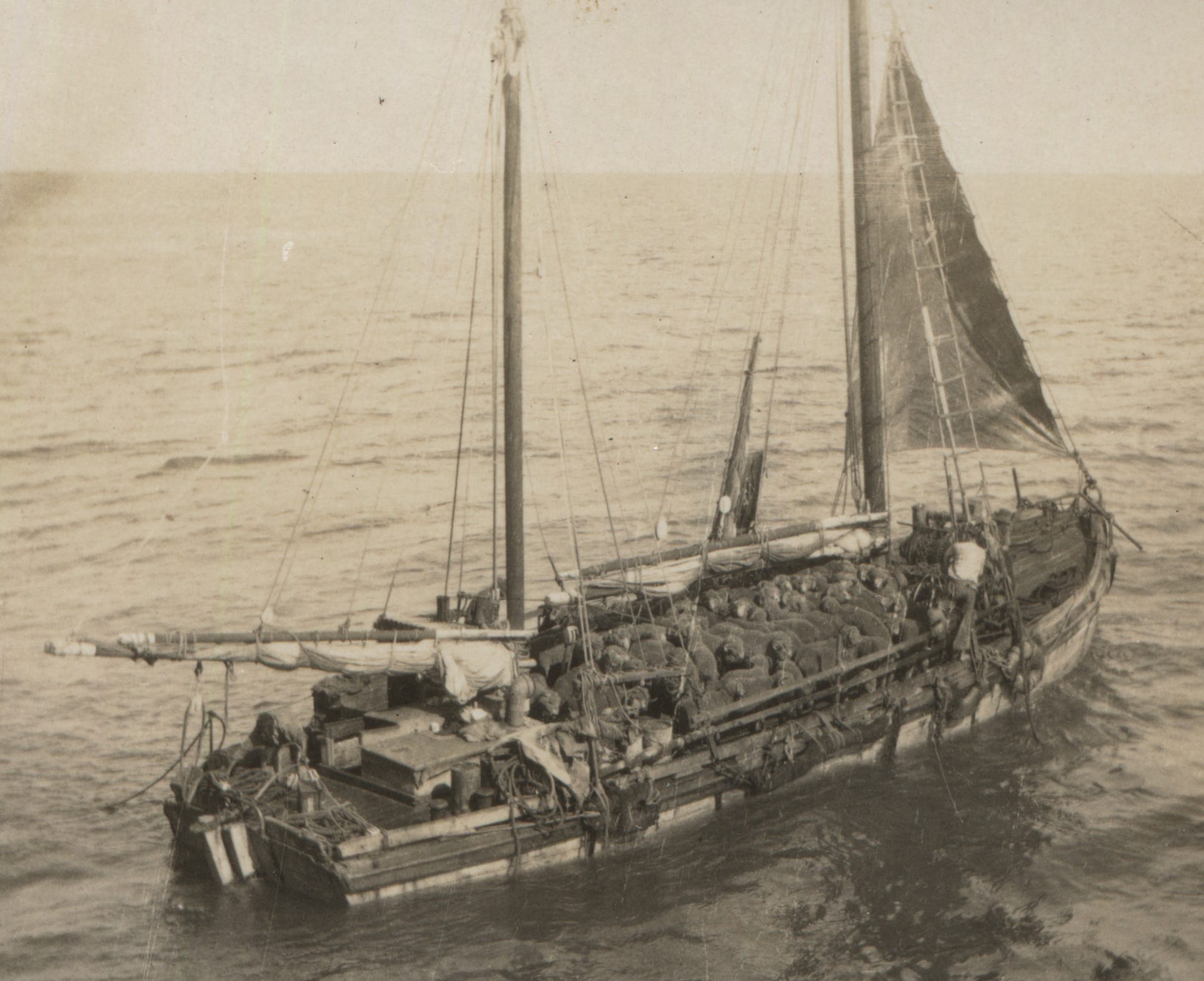
Stepan caught Palvo’s eyes, which had grown wide, pale, and begun flicking nervously to and fro. They were thinking the same thing. Something was off. Then Boris raised his voice above the rising wind. “You’ll see this isn’t just any Ottoman ship,” he shouted. “It’s a diplomatic vessel. Russian and Ottoman envoys aboard. They’ve struck a bargain for our services. No fighting today, just signatures and silver! Our fortune’s on the other side of that ink.”
The men slowed. Their boots oars dragged in the inky water. Murmurs rippled through the group, half hope, half disbelief. Words like agreements and traitor carried heavier meaning than Boris seemed to notice.
Now was their chance…Stepan surged to his feet, voice no longer his own. He seized Boris by the jacket and dragged him close, shouting loud enough for both boats to hear.
“I won’t give my life for men who hold none sacred! You’ll sign that contract choking on seawater before I bow to you!”
The words stirred the freedom-loving blood of the crew like fire. Shouts rose; rage, hunger, vengeance. They had come for Ottoman blood, not paper. To them Boris was no longer captain, only another hoarder of spoils, another man fat on their suffering. The air cracked and violence broke out amongst the crew.
Stepan turned to rally them but stopped. Something moved in the pale morning sky behind Boris. At first it looked like a shield, or a wagon wheel, thrown by some unseen giant. It turned without sound, smooth and seamless, too large to belong to this world. A chill ran through him as he felt, rather than knew, that it had seen him.
Then came a roar that cracked the sky. Suddenly, a wall of black water rose up towards the horizon, seeming to smother the sun. Before he could draw breath, the wall of water struck the boats and Stepan was dragged to the bottom of the sea.
I can breathe awfully well for being underwater, Stepan thought. He woke from a deep, dreamless sleep, calm but unable to move. Strange. I’m not drowning… and I’m not dead either.
He opened his eyes to blinding light. Naked, he lay on a cold metal table that was smooth, expensive-looking, and covered with a long sheet of paper beneath. Paper? Who would waste something so precious?
He tested his limbs. Only his fingers and toes obeyed at first. Gradually, motion returned; he swung his legs over the edge and sat up – the thin paper on the table crackling loudly. The room was no room at all, but a cage of glass that caught and split the light in shifting patterns.
Within the glass swam points of color—stars, or something like them, etched into the surface in strange, geometric symbols. They shimmered and pulsed: sometimes steady as gems, sometimes flickering like breath.
Stepan’s stomach turned. His thoughts folded in on themselves, trying to make sense of what surrounded him. As he staggered from the table, the lights in the glass flared to life —colors shifting violently, the etched symbols somehow swelling until they filled his vision. A thin, piercing sound rose from everywhere at once, sharp enough to split thought. It climbed higher and higher until the world went black and Stepan crumpled to the floor.
When he woke again, he was clothed. Dry. Whole. Sunlight warmed his body and revealed that he was once more outside. The hairs along his spine stood rigid, as if the air were charged with lightning. Someone, or something, was watching. He scanned the world with fearful precision, every detail unnaturally sharp. Two wrecked chaikas lay broken nearby; the same boats that had sailed into the wall of water, but there was no sign of their crews. Still, Stepan stood on solid ground, alive, the sea behind him mercifully placid.
Joy gave way to confusion. How had he come to be here? Fragments drifted through his mind: a woman’s voice, pillars of green stone, a metal plate beneath him like some great dinner dish. Was I served up on a silver platter for dinner in a dream? he muttered, laughing thinly to himself.
Then the laughter died. His memory was gone, not only the past few days but something deeper. He closed his eyes, trying to summon an image the way he always had, but nothing came. The inner screen was dark. The stars and symbols that once danced behind his eyelids had gone out.
Panic took hold. Glass with stars… had that been real? The thought gnawed at him. Maybe the sea had poisoned him. Maybe he was dead, stuck in some silent purgatory where imagination itself had drowned. He pressed his hand to his chest and forced himself forward, away from the surf. Toward the inland woods. Toward the old stash. Anything to flee the memory of the black water and the strange crystal prison.
Stepan wandered into the market at Rostov, half-starved and half-afraid. The noise of trade and shouting merchants felt unreal after so long with only the wind for company. He kept his head low, hood pulled tight, still unsure if he was among the living.
Then he heard his name incautiously yelled at a pitch to rise above the crowds. “Stepan! How did you get here?”
Palvo came stumbling through the crowd, thin and sunburned but alive. “Boris and the others washed up on the beach,” he blurted, breathless. “Boats gone, none of us hurt too badly, but we searched everywhere for you! Come with me, Boris was able to secure the same deal with a different Pasha”
Stepan forced a smile and gripped his friend in a quick embrace, hiding his face in Palvo’s shoulder. Over his back he spotted a town guard watching them from a nearby stall—the same one who had nearly stopped him at the gate the day before – had it really been so short a time? The man’s eyes narrowed, his expression growing strained, like someone trying to recall a name that wouldn’t come.
A chill crawled up Stepan’s neck. Weariness and paranoia clung to him like damp clothes.
He broke the embrace, pasted the smile back on his face, and steered Palvo away from the guard. “Come,” he said brightly, “let’s talk somewhere quiet.” They slipped down a narrow street that led toward the docks.
When they were alone, Stepan’s voice dropped. “Are you mad? You had a clean escape, and you went back to those butchers? The Ottomans value no life but their own, and the Russians are no better. Are we not meant to live free of such masters?”
Palvo shrugged. His eyes had gone dull. “Who cares, Stepan? Don’t you just want to make money like the rest of us?”
Stepan stopped, hands on his friend’s shoulders. “No.”
The word hung between them, sharp as a blade. Then Stepan’s expression softened. “Go your way, Palvo.” He gave him a firm push, turned the corner, and disappeared heading North, away from the sea and its strange inhabitants that had tried to claim him.
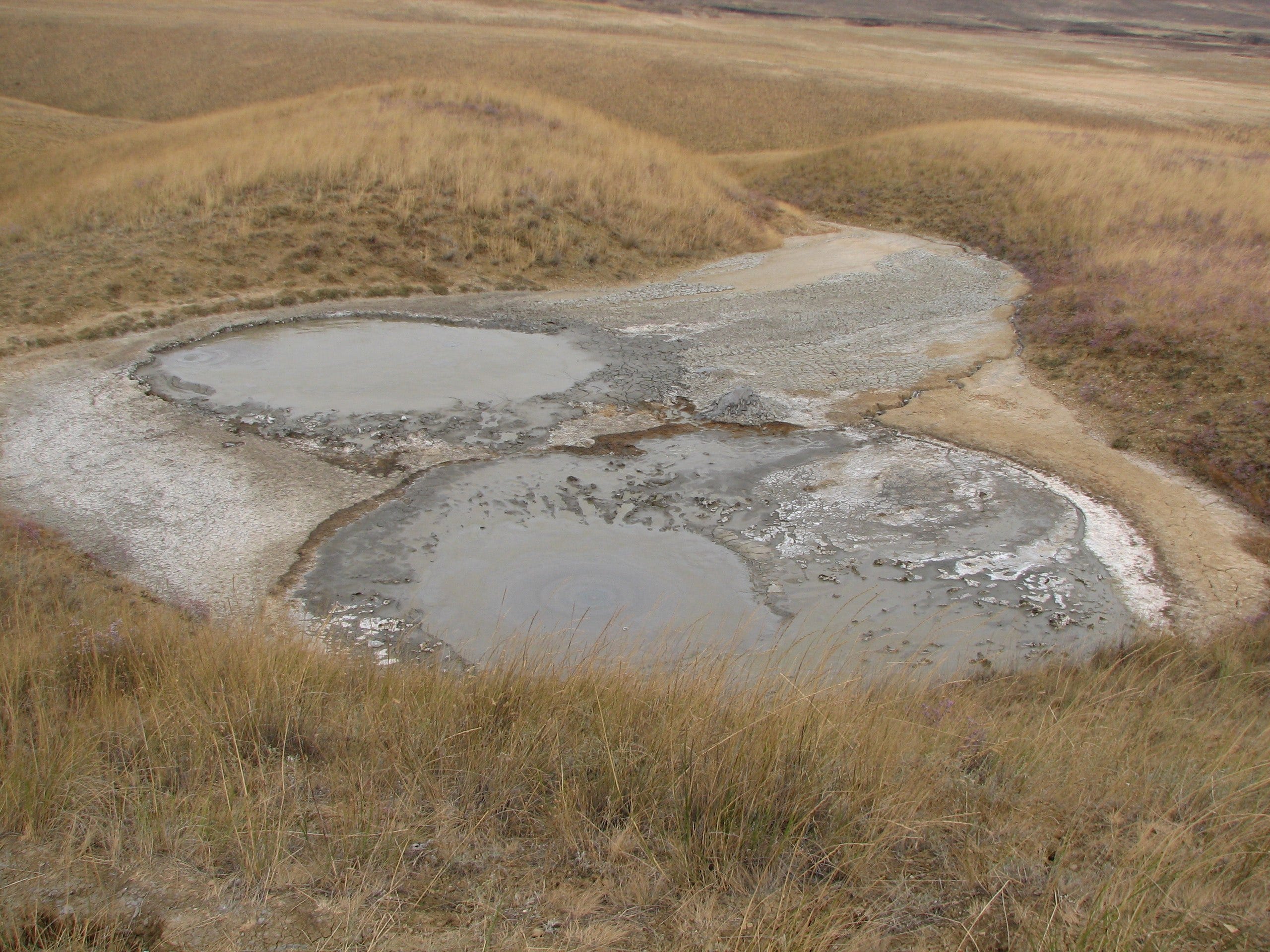
Act 2
Ten years after his ill-fated voyage on the Sea of Azov and its silver wheel in the sky, Stepan had built a new life. Once an eighteen-year-old drifter with nothing, no family, no name, no prospects, he was now a husband, a father, and a master jeweler. The craft had come to him by chance on the journey north, when a travelling merchant noticed how deftly he worked with tools. He soon discovered a natural gift for precision. Though he could no longer picture things in his mind as he once had, he could feel their form through his hands.
He began chasing the shapes that haunted him after the shipwreck — symbols glimpsed in glass, figures of malachite like the woman whose voice had called to him. At first he hoped that recreating them might reignite the lost visions in his mind, or bring back the memories that had gone dim. Instead, it taught him something rarer: focus, presence, and healing through the work itself.
Stepan priced his works modestly. He used every scrap of metal with care, seeking beauty through economy. Though he dreamed of wealth, what mattered most was seeing joy in his customers’ faces. These were the miners, millworkers, and young couples who saved for months to afford a ring or pendant. He became the people’s jeweler, a craftsman who gave dignity to labor through art.
He loathed the local mills and mines that chewed through men for profit, so he often journeyed into the mountains himself to gather raw materials. He told anyone who would listen that the stones he found by chance carried luck and healing. And this was true, though few believed — each piece bore something of the mountain’s mercy.
But success breeds envy. In Perm, the established merchants — rich men, generational members of a cartel that kept prices high through secrecy and intimidation — grew jealous of the clever outsider who undercut them and openly mocked their legacy of ashes and blood. They searched for a pretext to destroy him. They found it in an old ghost returning from the south.
Palvo arrived to Perm one bitter spring, half-starved and desperate for work at the metal mills. He found Stepan at the market, all warmth and tears, speaking of old days on the Anatolian coast. Over cheap bread and broth, Palvo tried to rekindle their friendship. Only when Stepan noticed the silent official seated beside them, taking careful note of every word, did he understand what was happening – betrayal.
Palvo’s eyes pleaded forgiveness even as the trap closed. This traitor to honor and blood had sold out his kinsman to the Russian authorities for much less than thirty pieces of silver.
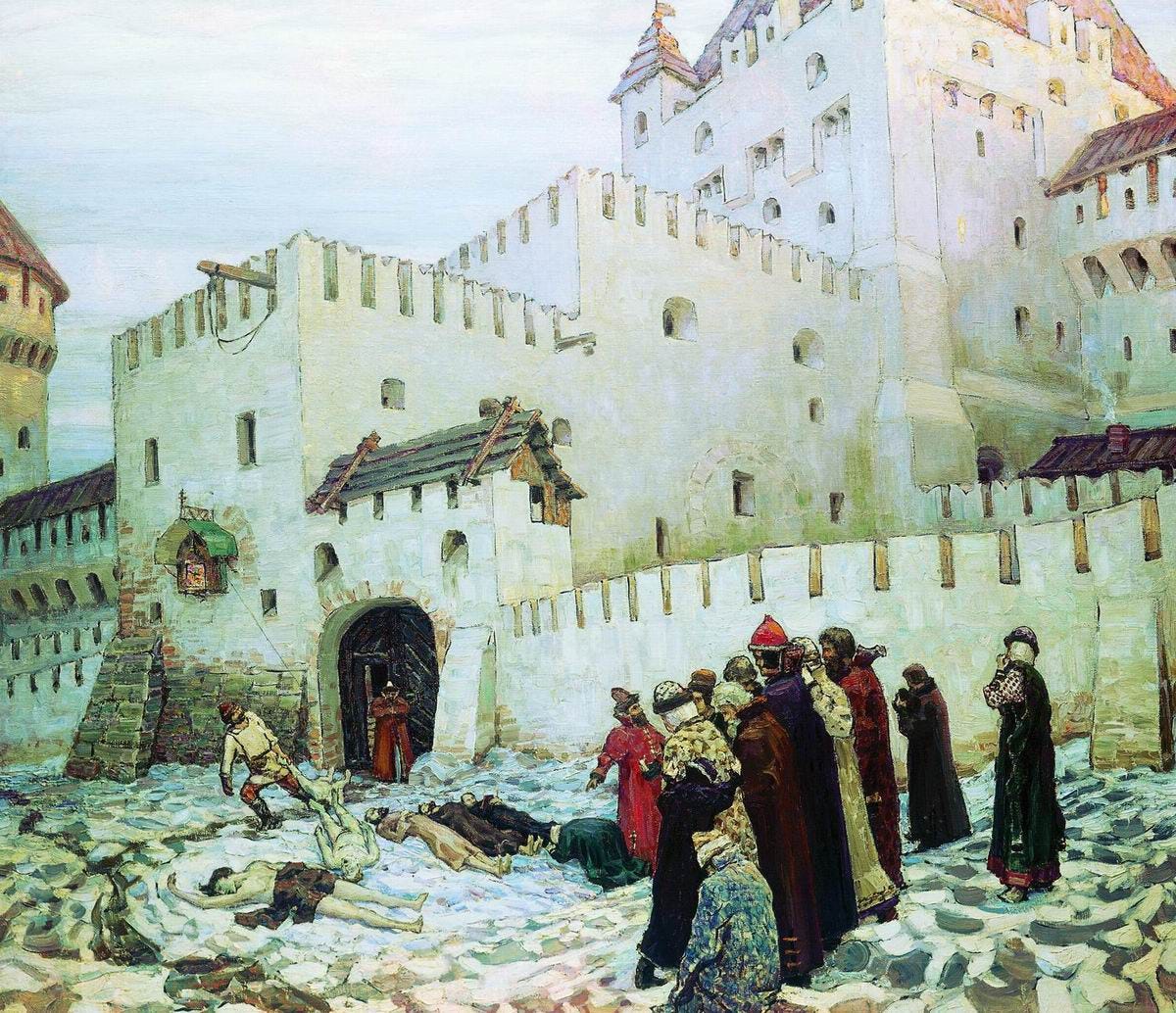
Stepan’s throat went dry and heavy hands seized his shoulders — iron gauntlets jerking him upright. The crowd shouted as a beloved craftsman was dragged from his chair. One of his apprentices, a boy of eighteen with more courage than sense, lunged with a stone hidden in his coat. The soldiers answered at once. Blades flashed. The boy fell – dead. Stepan was beaten to the ground and hauled away before the crowd could move. His blood painted the cobblestones, and the cartel of fearful old men cackled into their winecups, satisfied that a challenge to their monopoly was removed.
By decree of the Russian Empire, “Cossack rebels living under false names” were enemies of the state. A new law of 1795 sealed had sealed Stepan’s fate when his true identity was revealed by Palvo. Stepan the Jeweler was gone. Stepan the slave was born — another convict sent east, stripped of family and freedom alike.
Stepan’s wife – Nastasya – and his sons got the news by seeing their father hauled out of the town in chains – no trial, no hearing, just brutal oppression. Nastasya had been waiting with supper ready, believing he was out buying tools. The sight of him broken and bloodied froze her in place. Her eyes — fear, betrayal, disbelief — cut deeper than any lash. Stepan tried to stand straighter, to show his sons he was still a man. His legs failed. He fell face-first onto the rough ashlars of the village road, and the world went dark.
When Stepan woke again, pain spoke first. His body ached in every joint and bruise before his eyes even opened. He was no longer in chains, but the cold stone beneath him made clear he wasn’t home. Damp, half-submerged in a puddle, he lay in a narrow hut built of rough rock. His wounds had been bound, and someone had thrown oversized, threadbare clothes across his shoulders. Nothing else filled the room — only pain and the weight of years of deception finally laid bare.
He sat up slowly. Find a way out, he told himself. Get home. Start again, anywhere they can’t find us.
The hut had no door, only an opening that looked onto the gray heart of Gumyoshevsky mine. This was to be his new world. Outside, a gruff worker stood waiting with a pickaxe. A guard lounged against the wall, watching with dull suspicion. The tool’s handle was splintered, the metal head rusted from use. Stepan hesitated, staring at it as if it were a weapon meant for him.
The guard straightened. “Well? Take it.”
Stepan reached out, memory flashing to the small rock hammer he once carried on quiet mountain trips with Nastasya. The memory made his hand tremble. Then, as if to silence it, he snatched the pickaxe. The guard flinched. Without a word, Stepan turned toward the black mouth of the mine and joined the line of men shuffling into the dark.
Life in the mine was brutal but simple. With no false name to hide behind, Stepan threw himself into the work and earned the miners’ trust. Letters from Nastasya came through the traders who carted ore to Perm. They were rare but precious. Her words had grown tighter, more desperate over the months. Money was running out. One day, a letter arrived that ended with a single line: Help us, or you will lose your sons along with everything else.
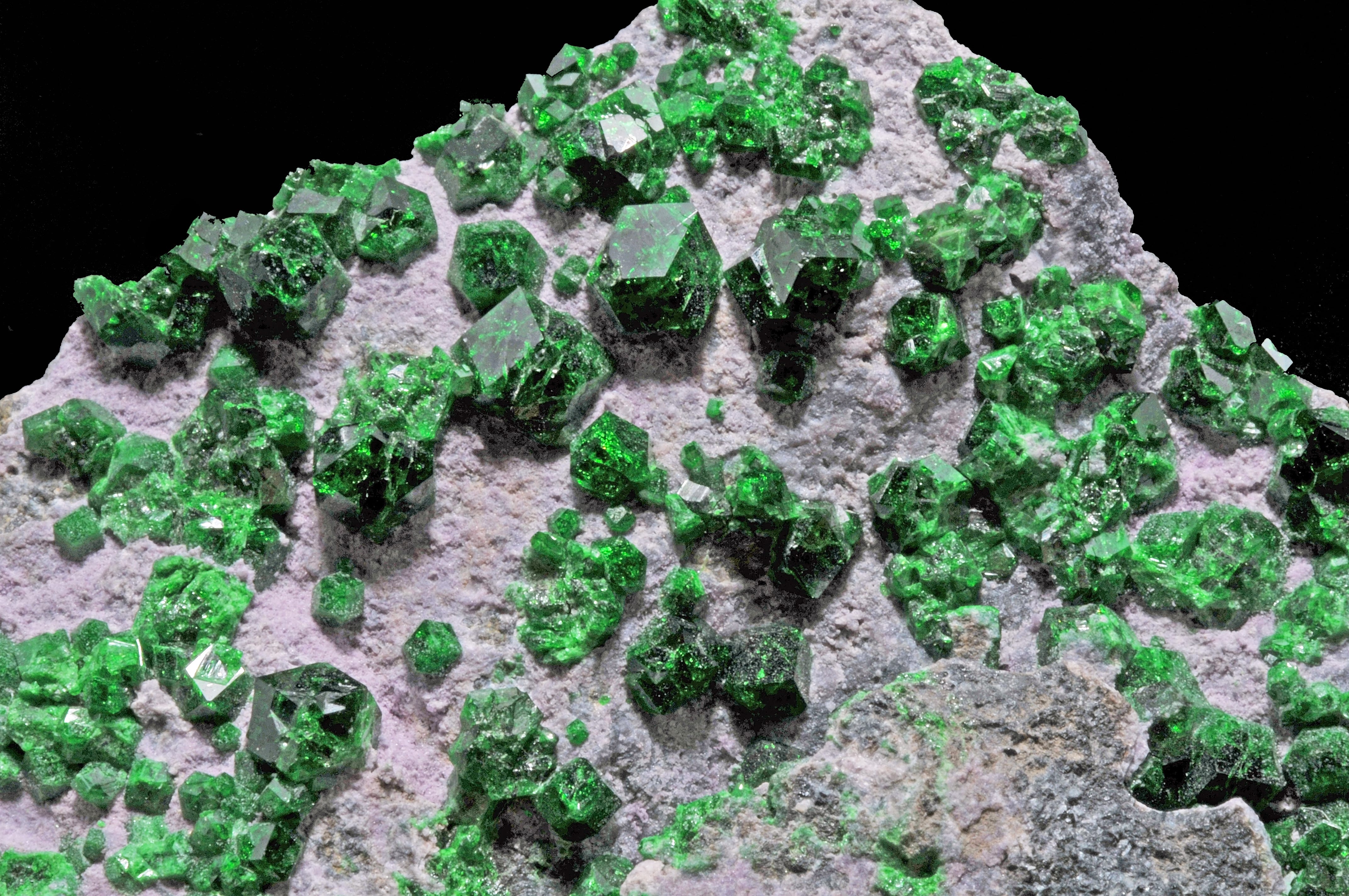
That night, Stepan made his choice. When the camp slept, he slipped out under the cold stars. He stole what tools he could and set off through the mountains, searching by moonlight for “stones of serendipity”, the hidden malachite which carried luck. He followed secret routes known only to him, marking quiet places he could revisit. After weeks of secret struggle, he gathered a small stock of ore. He arranged for a trader he trusted to smuggle the materials to his old apprentices in Perm for a modest share of the profit.
One dawn, as they loaded the wagon, Stepan felt the weight of futility. It wouldn’t be enough. His family needed more. Watching the cart rattle away, he hatched a desperate idea. He would vanish for several days and claim he had seen the Mistress of the Copper Mountain — a tale he often told by the fire to entertain his fellow miners. The lie would explain his absence and give him time to gather new material. It pained him to use the Lady’s name in deceit, but he saw no other way.
He set out again into the Urals. The air grew colder, the forest older. He moved quietly, avoiding caves and odd smells that hinted at danger. Still, he could not shake the feeling of eyes on his back. Every twig snap made him whirl around, certain that a slave-catcher from the mine had found him.
By dusk, he reached the end of his hidden trail. He paused at a ridge. “Should I turn back?” he murmured. Then, stubborn as ever, “No, just one more climb.”
As he stepped forward, the rock gave way beneath his boots. The world tilted. He tumbled down a short cliff, landing hard among grass and stones. Cuts burned across his arms, but he was alive.
He had fallen onto a narrow cart path that wound through the mountain. The air smelled of smoke. Regaining his breath, he looked up the trail—and froze. Ahead lay a tangle of wrecked wagons, horses, and scattered cargo. At the center, a crater still smoldered.
He limped closer. The driver’s body lay twisted in the dust—the same merchant he had trusted with his stolen ore. Fury replaced shock. “This isn’t the road to Perm,” he muttered. “You betrayed me.” He spat once into the dirt. “Good riddance.”
Among the wreckage he found what the fire had spared: coils of copper wire, green stones of malachite, and bits of charred metal. He gathered what he could carry and fled into the forest until he found a sheltered grove. There he worked by instinct, hammering and shaping until his thirst grew unbearable. At last he set his tools aside and followed a game trail until he heard running water. A narrow brook trickled through the moss. He knelt and drank until his head cleared.
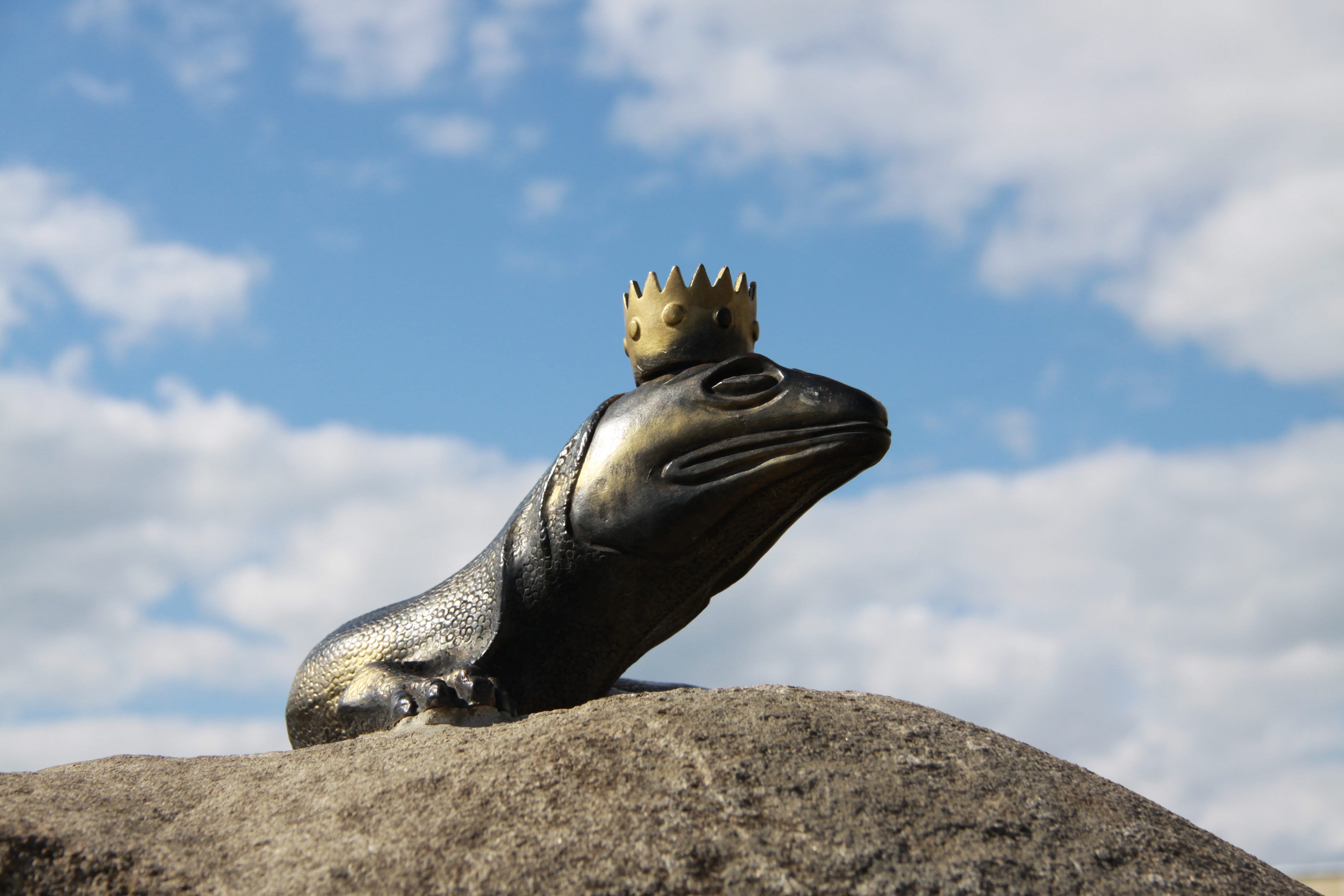
When he sat back, a small lizard crept from the rocks and climbed his boot, then his leg, warming itself in the sun. Amused, Stepan cupped his hand and offered it a drink. The creature tilted its head and sipped from his palm. Only then did he notice the shimmer on its brow; a crown, silver and green, with teardrop-shaped emeralds glinting in the light.
His breath caught. The Mistress’s creatures. He had told the stories a hundred times. He whispered, half laughing, half afraid, “So, you’ll go tell her I’ve been kind, yes? Tell her I mean no harm. My family depends on this work.”
The lizard turned its head toward him, eyes bright with understanding. Then, in one smooth motion, it leapt from his knee and vanished into the grass. Stepan watched the place it had gone and prayed that whatever message it carried would be kindly received.
Act 3
By dawn he’d finished every piece the wire would allow. The lizard felt like a good omen. He fell asleep with the sun in his eyes.
“Your jewelry is beautiful. May I have the one in the middle?” A woman’s voice, clear and commanding, snapped him awake.
He wasn’t in the forest. He lay again, over a decade later, on the cold metal table, paper crackling beneath his back, ringed by crystal veils. The glass no longer pulsed with symbols. It showed paintings: his pieces, rendered perfect as if freshly plucked from the mind’s eye.
Panic climbed his throat. “Hello?” he stammered. “Where am I? Why am I here?”
Laughter, close and musical. She stepped through the glass as if it were mist: the Mistress of the Copper Mountain.
He had told miners a hundred tales of her. None matched the woman before him. Dark green silk like a single block of malachite, black hair somehow combed perfectly straight, face cut in clean, Roman lines. Her eyes were pale green shot with gold, and they looked straight through him.
He knew he wasn’t dreaming, he hadn’t been able to dream since the first time he lay on this table, so very long ago. “Y-yes,” he managed.
“Be easy, Stepan,” she said. “You’re safe with me. You were kind to my children.”
“The lizard?” he asked, surprised at his own surprise.
She smiled. “Not only that. You take what you need and no more. You resist the greed that ruins men.”
He was clothed this time. He swung his legs off the table and stood. Up close the “glass” wasn’t glass at all. Thinking about it made his head ache. He turned back to her.
“I’ve been here before,” he said. “After the shipwreck.”
“You’ve seen nothing yet,” she said gently. “Come.”
She offered her hand through the not-glass. He hesitated, then took it, and was pulled through to another world.
The table sat within a small domed chamber. Beyond it opened a space so vast its boundaries vanished into shadow. High above, a small sun cast down light with a green tint. Everywhere the stone was laced with veins of precious metals — gold, silver, copper, bright seams of jewels — like a map of the world’s heart.
He sank to his knees. No tsar, no sultan, could ever count this wealth. Lightning hummed in the air. He rose, turning slowly, and saw black stone towers thrust up at odd angles, including the one they’d just stepped from. Fear took him then. If she showed him this, would she ever let him leave?
She slipped an arm around his shoulder. “Incredible, isn’t it? Nowhere else has as much gold, not even Jerusalem.”
“Stay,” she said, suddenly imperious, “Marry me. Command it all.”
“I can’t.” He shook his head. “My family will starve if I don’t return. I left to feed them.”
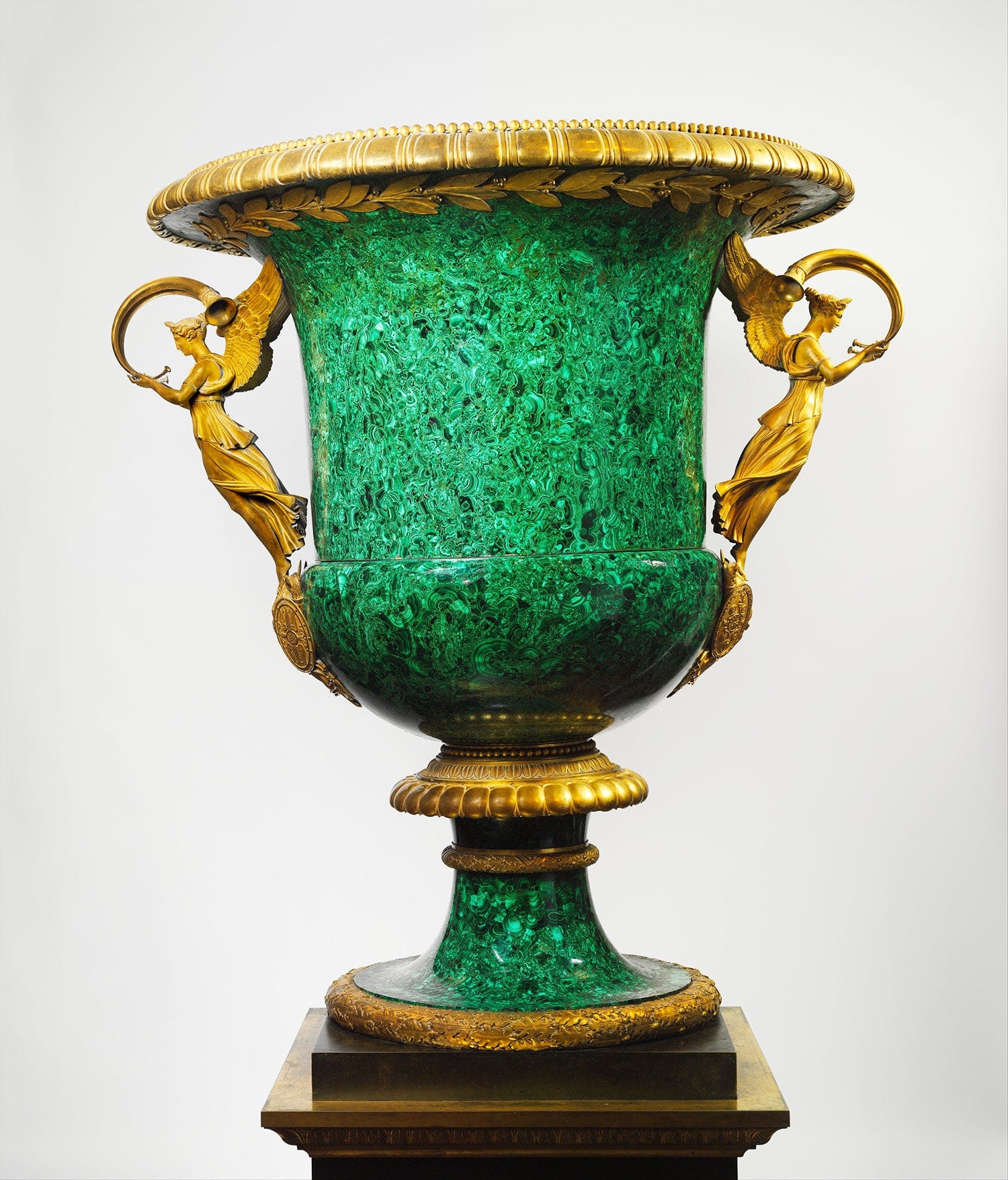
She faced him, hands on his shoulders. “I’m proud of you, Stepan. You are not the boy who once refused to kill for plunder. You will feed them. They will thrive because you’ve chosen well.” But behind her green eyes he saw something, a flicker of…hunger? Disappointment?
He opened his mouth to thank her; she cut him off and moved on from the refusal to business. “I’m keeping your work. You’ll be paid. Take this chest to your wife, and only your wife. Then you must return to Gumyoshevsky and tell the bailiff to stop mining the iron caps near your pit if they want copper to flow. If they ignore me, I will poison both mines, and the lands around.”
He bowed. “It will be done, my Lady.” When he lifted his head, she was gone. He stood again in the forest, hair prickling as if the sky itself warned him to move.
The chest was heavy to carry, but the thought of round faces, a porch light, laughter gave Stepan strength. He kept to shadows on the journey home to Perm, dodging patrols of Imperial soldiers on the lookout for landless serfs and other “unregistered” peoples. After months of hard travels, Stepan reached Perm by night, slipping in secretly to his home.
The boys slept. Nastasya waited on the porch. “Stepan! I knew you’d return after yesterday,” she said, rushing to him.
Yesterday But I have been prisoner for months! He held her anyways, setting the thought aside. “Inside,” he whispered. “It isn’t safe out here.”
After warmth and fussing and bread, the question returned. “What did you mean I was here yesterday?”
Her brow creased. “You returned to us last night. Told us of your escape from the Mine. Slept in our marriage bed. This morning you said you had business and would be back by nightfall. Don’t you remember?”
Ice slid into his bones. He forced a smile. “Of course. The hardships, they have confused me. Look, see what the Lady has given.”
Joy filled the house as Nastasya lifted the chest’s lid. The boys woke, ran to him, tackled him with small arms and breathless words. For a time, all was well.
Then, as always, came duty. He told Nastasya the Mistress’s terms. She begged him not to go — said the bailiff would kill him and make orphans of the boys. Did he not miss her embrace? Pained beyond words, he kissed his family and left at first light with a merchant caravan to honor his bargain with fate.
At the mine entrance Stepan found the bailiff haggling over a toll. Stepan walked straight to him. A tap on the shoulder. The man spun, unrecognizing of the former slave before him, and screamed. “What do you want, dog?”
“The Mistress says: stop taking iron from the earth near this pit, if you want her copper to hold. If you do not, she will poison the mines and the land.”
The man squinted, then laughed deep and mean. He clapped Stepan’s shoulder — too hard, too mocking. Something in Stepan broke. He snatched a fallen limb, and struck the bailiff across the head. Blood poured down the man’s face onto the earth.
“Do as she says, fool, or she’ll kill us all!” Stepan shouted.
For a heartbeat, nothing moved. Then blades flashed. “Seize him!” the bailiff roared, clutching his skull.
Stepan ran.
He crossed the mountains for days. Sometimes he found water. Sometimes food. Always he watched the ground for lizards. He could not go back. To return meant death for him, and for his family. He hung between the mountains and his home like a rope with two ends cut.
He prayed for the Mistress to find him and render aid. The memory of the not-glass, the hall of veins, lodged in him like a splinter. He followed his old route until he reached the brook where he’d first helped the lizard. He decided then: better to vanish than to bring down ruin upon those he loved.
He waited there for days, then months. The stream gargled the same song. He gathered stones he thought might please the Lady. His mind thinned to a single thread: wait.
One day, a bright green lizard climbed his boot again and studied him. Let me into the mountain, he asked without speaking.
Her voice rang in his skull like a struck bell: You may join me when you have looked upon your daughter.
My daughter? He had only sons.
So he turned for home.
The way back was worse than before. Misty paths, hidden landmarks, his mind frayed by silence and tortured of with uncertainty. Nearly a year since he had fled once more into the night, he reached the street he in Perm he called his own. In the garden he heard three children at play. Two boys. And a newborn girl with straight black hair and green eyes flecked with gold.
Tears rose but did not fall. He had not come early and forgotten. He stood at the gate, shame and wonder warring in him. How could he explain this to Nastasya? What truth would hurt least? And whose daughter with the green-gold eyes and jet-black hair was that? Surely not his…
He turned from the house and fixed his eyes on the mountains. The hall. The sun of green light. The promise waiting in stone. He set his feet on the road again — toward the brook, toward the Lady, towards the answer to a question he could not even name.
About the Author: Michael Armentor (@36_39_42) is an artist and researcher based in Austin, Texas. Known for his delicate wire-and-bead sculptures, “magic wands”, gifted freely to strangers. He calls his practice spiritual disclosure: an experiment in reuniting art, conversation, and the mysteries of consciousness. His current work bridges mythology, history, and the modern UAP phenomenon, exploring spirituality as a form of exopolitics.
Michael is a contributor to an upcoming documentary on the alleged 1933 Magenta UAP crash in Italy, expanding on research he began with his collaborator Craig Oliver. Follow the project’s progress on X: @MagentaUFOUAP


