Zionists and Banderites
Anti-soviet alliance. Refuseniks, human rights dissidents, Likud.

In the 1960s, brave pro-democracy activists in occupied Ukraine rose up against the Soviet totalitarian system. Dissidents. All they wanted was an end to communism and national rights. A number also wanted to move to Israel.
The brutal dictatorship imprisoned thousands (3,000, to be precise) from ‘54 until ‘91. Luckily, they were supported by friends of freedom like Ronald Reagan. They went on to play a prominent role in post-soviet Ukrainian and Israeli politics. According to professional democracy-promoter George W. Bush, one of these Ukrainian-Israeli freedom fighters provided the basis for his foreign policy.
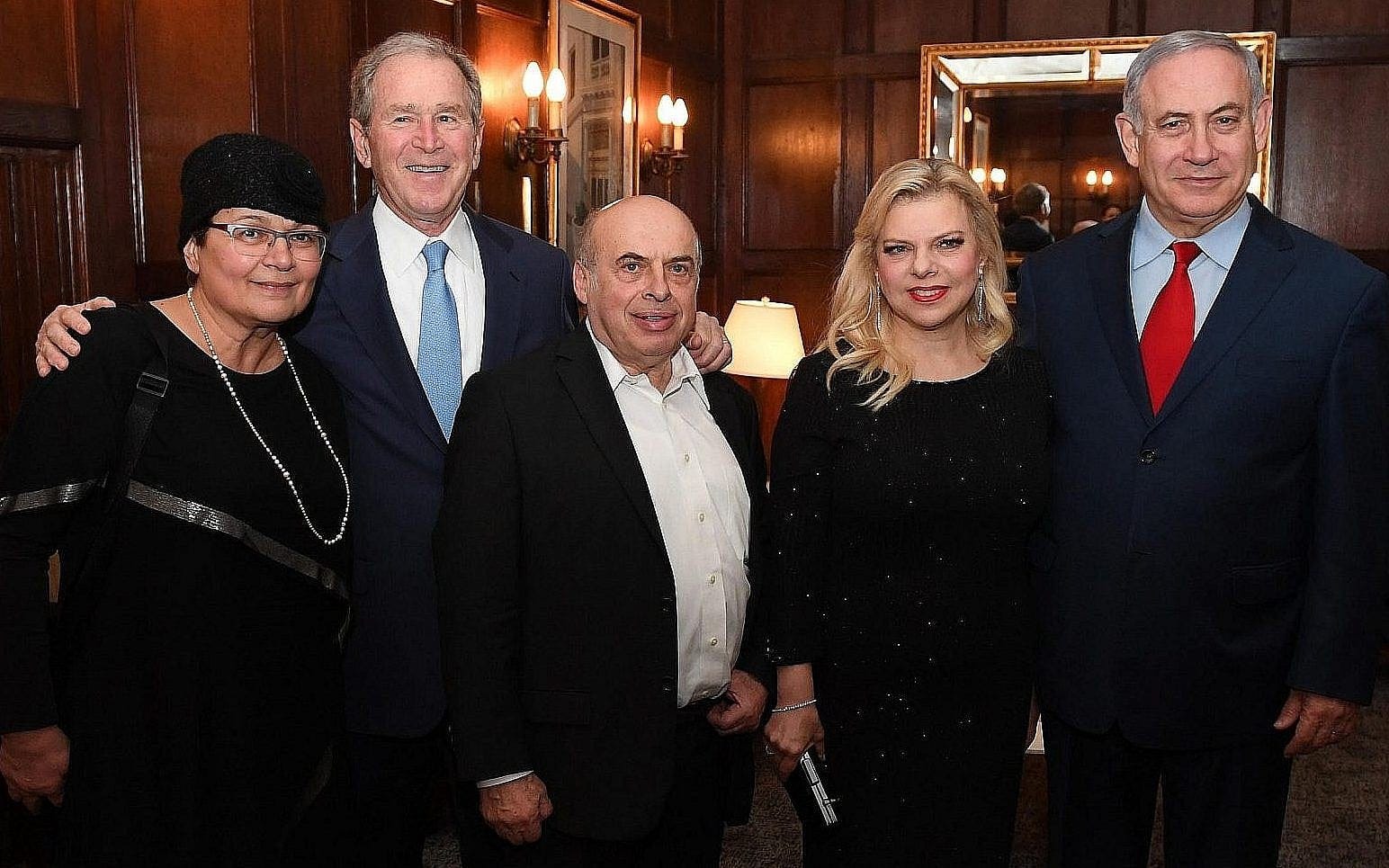
And once these celebrated human rights warriors escaped the Soviet prison state, they could finally get to work doing what they loved — organizing the evictions of Palestinians from the West Bank, for instance. After all, as they like to say, Israel can only be democratic with a Jewish majority.
In Ukraine, the ideological heirs of the 60s ‘dissidents’ have spent the past 12 years disenfranchising eastern regions whose voters didn’t support nationalist, pro-NATO political parties. Since 2022, a simpler solution was found — simply cancel elections altogether.
In other words, today we continue our journey through the parallel histories of Ukrainian and Jewish nationalism.
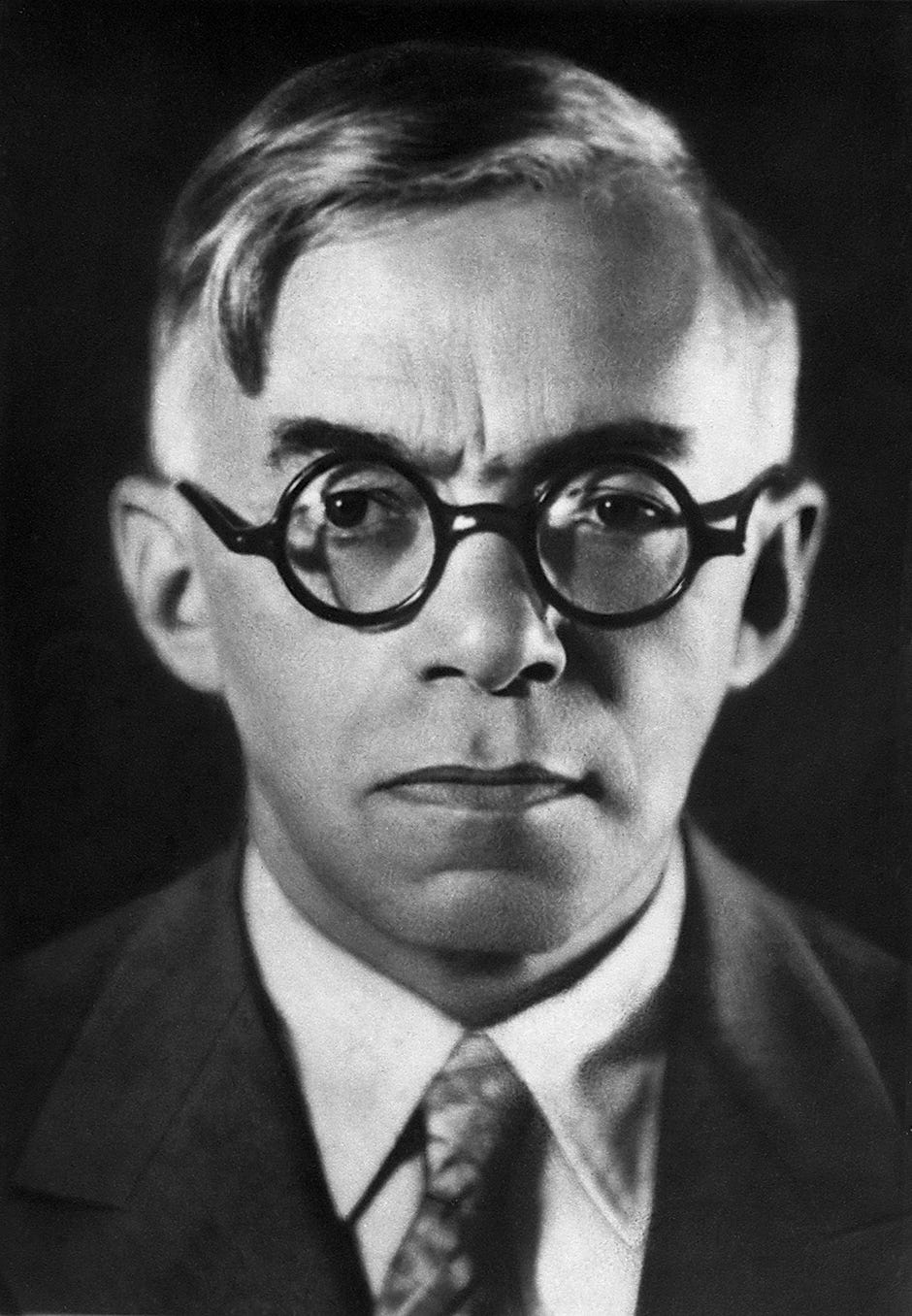
Last time, we looked at the first three decades of the 20th century, particularly through the cipher of the Ukrainian-born Ze’ev Jabotinsky. This proudly racist, imperialist Zionist militant is Israel’s most-commemorated historical figure and is adored by Benjamin Netanyahu. When alive, Jabotinsky created the paramilitaries that orchestrated the 1948 Nakba and later formed the basis of the IDF, worked closely with Mussolini, and was a lifelong ally of Ukrainian nationalists (including those responsible for pogroms killing thousands of Jews). He died in 1940.
Of course, the events following 1941 complicated the relationship between Jews and Ukrainians, to put it mildly.
But within two decades, the Jewish-Ukrainian nationalist alliance became far deeper than ever before. As we’ll see today, post-soviet Ukrainian nationalists even credit their Zionist friends with the success of the Ukrainian national movement against the USSR. Prominent Zionists say that the passion of their Ukrainian nationalist friends inspired them to become active Jewish nationalists.
What changed between the 40s and the 70s?
On the one hand, objective conditions. In 1940s western Ukraine, there were still the objective demographic, economic conditions that made it possible to rally large numbers of local peasants to kill Jews — the countryside was filled with poor Ukrainians, whereas the cities were largely populated by Jews and Poles. Rural Jews also tended to play roles in commerce that didn’t endear them to the peasantry.
But following 1945, and most certainly today, that situation ended. The criminal Soviet regime forced urban jobs and housing upon the Ukrainians. Furthermore, the latter intermarried with the Jews, who had been secularized by the vicious communist dictatorship. Both groups now largely worked the same jobs, went to the same schools, and could speak the same language.
As the objective grounds for popular antisemitism faded away, there were no more serious reasons for contradiction between Jewish and Ukrainian nationalists.
Not that they’d been particularly opposed before. After all, Jabotinsky was more than happy to collaborate with Ukrainian, Polish, and Romanian fascists back in the 20s and 30s. The more Jews forced to go to Israel, the better.
The #resistance
Imprisoned by the Soviet authorities in the 70s, Zionists and Ukrainian nationalists realized they were the same.
It was in the gulags that Jewish and Ukrainian nationalists had a common enemy — the internationalist ideology of the Soviet Union. Both Zionists and Ukrainian nationalists faced the same problem — the majority of what they called ‘their nations’ were quite happily assimilated into the Soviet ‘super-nation’. They spoke Russian, intermarried with different nations, moved to Moscow, Tashkent, and other Soviet cities, and pursued careers in industry, government, and the intellectual sphere.
Zionists wanted nothing of the sort, and did their best to emigrate to Israel, where they could escape internationalist communism and pursue much more fulfilling careers as colonial ubermenschen. Thus began the saga of the ‘refuseniks’, whereby the cruel Soviet authorities persecuted poor (actually generally quite privileged) Soviet Jews trying to become Israeli settlers.
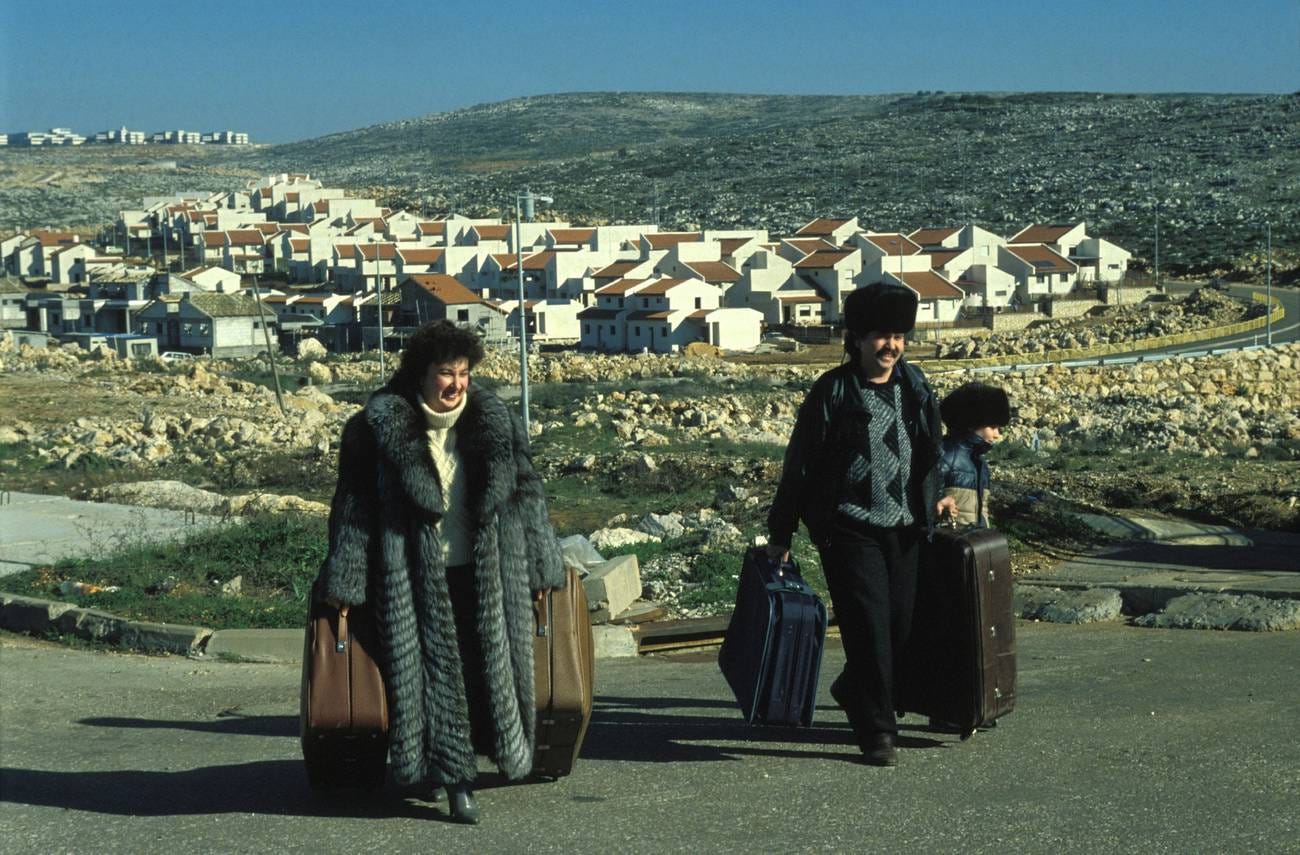
It is now quite popular to speak of ‘Soviet antisemitism’. I’ve always found it rather painful listening to family members talk about it. At one moment, they talk about the quite successful careers in Soviet science or the arts they led, given privileges that scientists or artists in the west most certainly lacked (today more than ever). The next moment, they talk about how terrible it was to be a Jew in the Soviet Union, generally on the basis of some comment made by a colleague (or a comment they were told a colleague had made, and so on), or because they believed the higher echelons of power were closed off to Jews.
Anyway, the most verifiable instance of ‘Soviet anti-semitism’ was the refusal to allow Jews to emigrate to Israel. A despicable human rights violation. Civilized western states, in contrast, are more than happy not only for their citizens to emigrate to Israel, but also for IDF war criminals to gallivant across western countries without fear of facing any prosecution for their actions back home. Civilized democracies also know that citizens criticizing zionism should face criminal prosecution.
Back in the cold war, the refusenik affair had quite serious implications. It was because of this vile Soviet policy that the USA instituted some of the most powerful sanctions against the USSR — the Jackson–Vanik Amendment of 1974, which conditioned trade access to freedom of Zionist emigration. Though the Russian Federation was more than happy for Jews to move to the Promised Land, these sanctions remained in place all the way until the 2012 Magnitsky act, which replaced them with a new set of sanctions.
‘45-’67
Jewish-Ukrainian sources claim that some zionist prisoners in the 1940s and 50s already admired the role of imprisoned Ukrainian nationalists from the Ukrainian Insurgent Army (UPA) in instigating anti-gulag uprisings. Impressive, given that just a few years ago, UPA fighters were hard at work torturing and killing Jews in the forests of west Ukraine.
But the alliance really developed in the 60s, during the boom of the Khruschev ideological ‘thaw’ and the resulting ‘dissident’ movement. Jewish and Ukrainian nationalists enjoyed a brief period when they could more openly express their views. These were all people of the same petit-bourgeois intelligentsia, and even before they found themselves together in the camps, they moved in the same circles and advocated the same liberal-nationalist ideals.
Perhaps the most well-known Ukrainian liberal-nationalist activist of the 60s was the literary critic Ivan Dzyuba. His celebrity status in dissident and CIA-funded literature let him become post-soviet Ukraine’s minister of culture from 1992-94. He was also one of the founders of the ‘National Movement of Ukraine’ in the late 80s, often simply called ‘Rukh’ (Movement), a KGB-created nationalist organization which successfully performed its role in dismantling the Soviet Union.
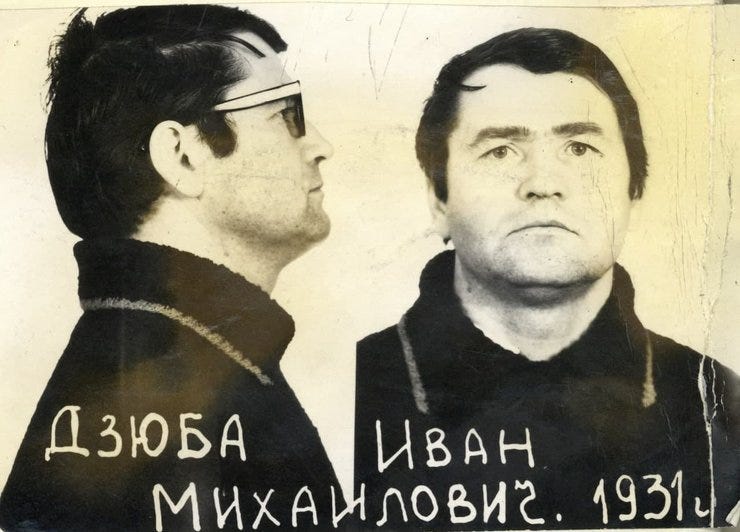
Dzyuba has the image of a repressed warrior, despite only doing 18 months of his five-year 1972 sentence for ‘anti-soviet-propaganda’. He was also quite successful in the Soviet state-funded intelligentsia, being a member since 1959 of the Union of Writers of Ukraine. Though removed from the institution in 1972, by 1974 he was working for a factory paper, and continued legally publishing books throughout the next 15 years.
Anyway, Dzyuba’s most famous act was probably his 1966 speech at Baby Yar, where over a hundred thousand people were killed from 1941-3 by the Nazis and their local aides, largely Jews. Ukrainian nationalists generally like to either deny that they were involved, or point to a small handful of Ukrainian nationalists killed there as well.
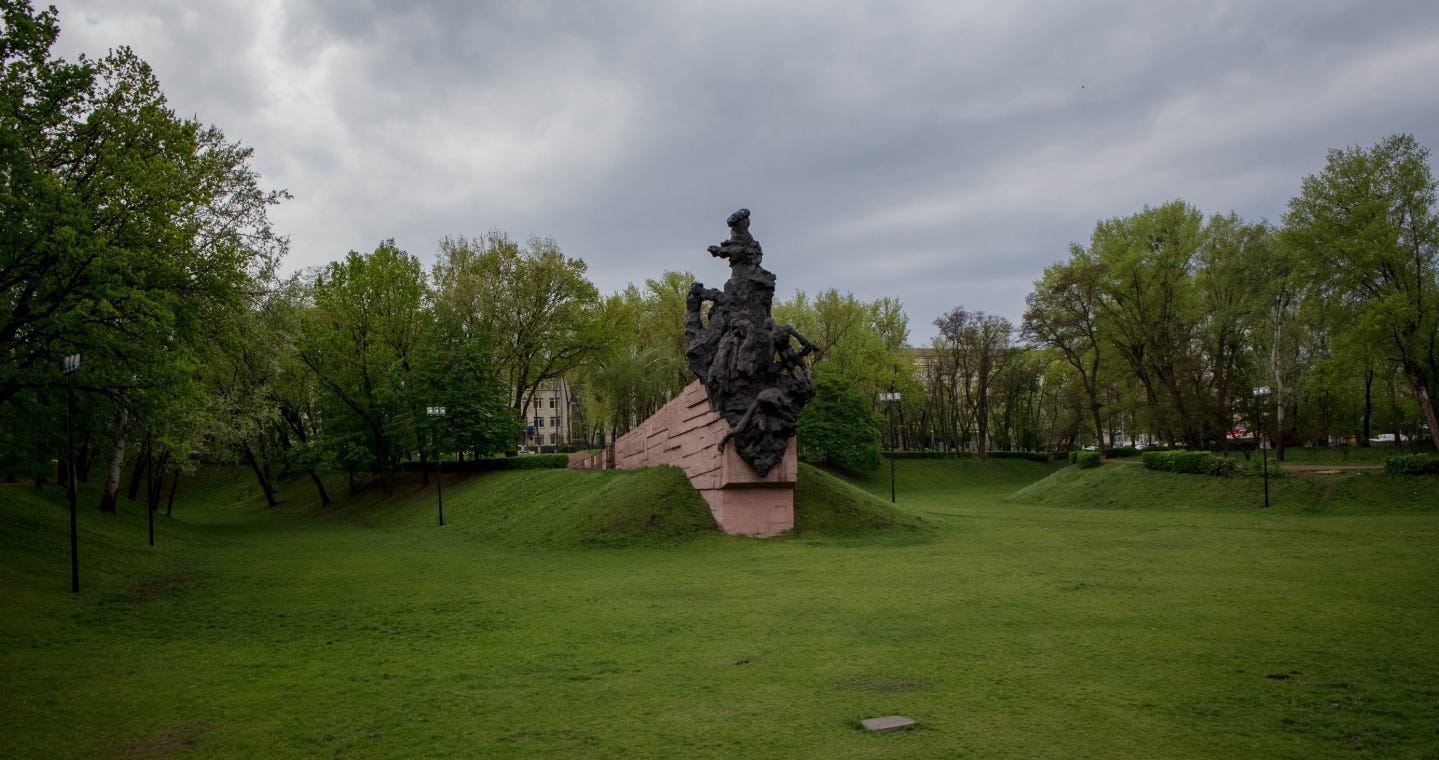
In his speech there, Dzyuba called for unity between Jews and Ukrainians, and compared the Soviet Union to Nazi Germany at length. Notable for our purposes is the following line:
The brilliant Jewish publicist and journalist Vladimir Jabotinsky sided with the Ukrainian people in their struggle against Russian Tsarism and called on the Jewish intelligentsia to support the Ukrainian national liberation movement and Ukrainian culture.
Criticizing those Ukrainians still prone to antisemitism (quite a rare admission, it should be noted), Dzyuba also called on Jews to ‘abandon Ukrainophobia’ and follow the example of Jabotinsky in supporting Ukrainian nationalists.
Gulag friends
Dzyuba was a premier representative of the so-called ‘sixtiers’, also called ‘dissidents’. In both Russia and Ukraine, these were privileged, state-employed intellectuals who portrayed themselves as heroic Davids fighting the communist Goliath.
But in Ukraine, their ‘liberalism’ was probably less important than their nationalist convictions. This was true both for Ukrainian and Jewish nationalists. Hence, once the liberal 60s ended and both found themselves imprisoned, Zionists and Ukrainian nationalists found common cause both against the Soviet authorities and against the ‘arrogant Russian democrats’. According to the Ukrainian nationalists, who would become fathers of the Nation after 1991, their Zionist friends did more for the Ukrainian national cause than many Ukrainians.
We will now turn to these stories, and end by looking at the most famous Ukrainian refusenik human rights activist. Thanks to his overseas fan Ronald Reagan, he managed to flee the gulag in the late 80. He has played a prominent role in right-wing Israeli governments ever since, and personally managed the eviction of Palestinians from their homes. He also hasn’t forgotten to continue campaigning for Ukraine on the world stage, a struggle he continues to this very day.

