

Somaliland’s Recognition and its Dangers

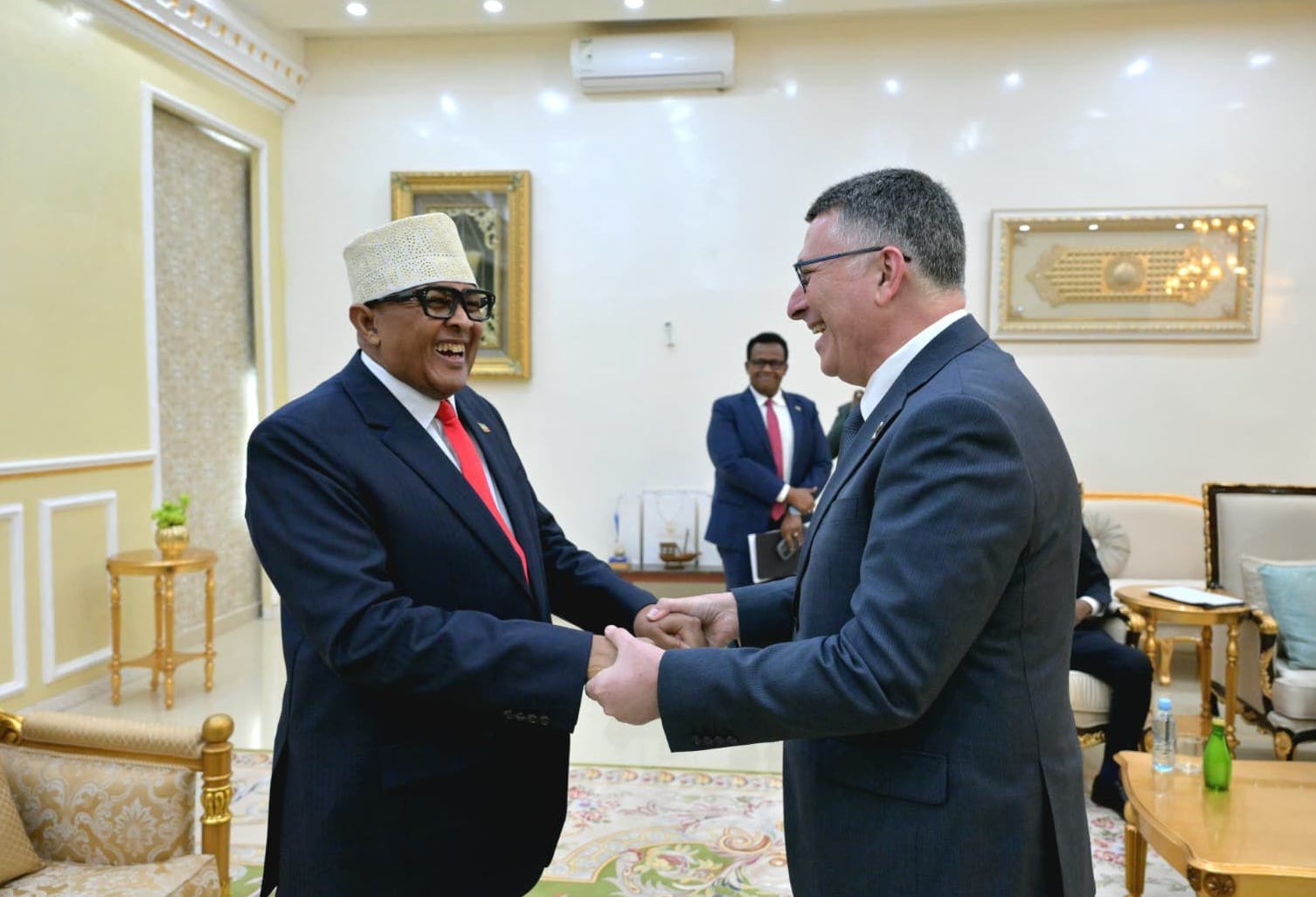
Israel’s decision to recognize Somaliland has generated predictable controversy, but the strategic implications extend far beyond the headlines. As regional powers maneuver for access, leverage, and security, Somaliland has emerged as a focal point where multiple strategic interests converge. The recognition places Israel inside a long‑running competition for influence in the Horn of Africa and along one of the world’s most critical maritime corridors. However, this strategic opportunity and advantage in Somaliland may already be slipping away.
A Region Defined by Proxy Influence
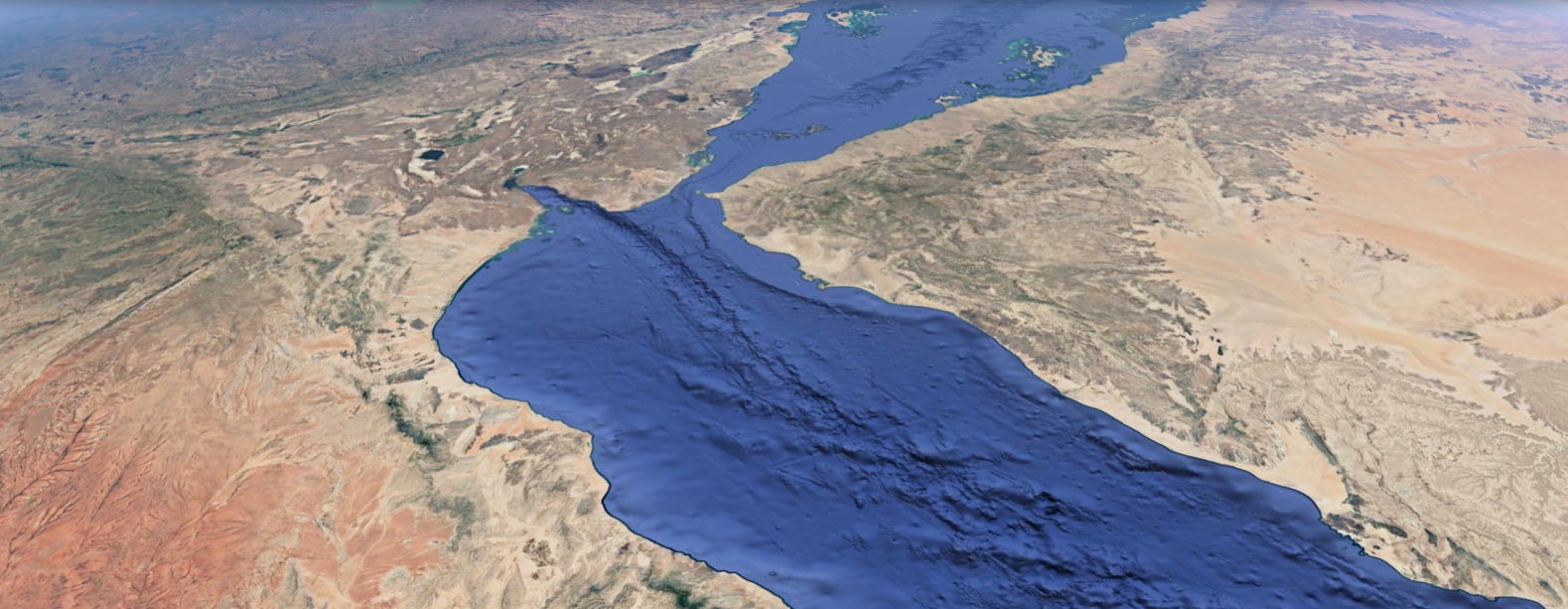
The Red Sea typically carries roughly 30% of global container trade, and 15% of all global trade, making it one of the most vital waterways on Earth. For the countries of Central and East Africa, Southeast Asia, and the Indian subcontinent access to its waters and the international market is a critical issue. Naturally, this invites the interest of foreign powers who either look to secure their economic interests or expand their own spheres of influence. The Northern Gate of the Red Sea, i.e. the Suez is undisputedly in the hands of Cairo, however the unresolved Houthi threat has highlighted the need for a more stable southern counterpart near the Bab el-Mandeb. And while the Houthi threat remains unanswered, the world waits for a de facto Southern Gate to emerge.
Yemen has invited the interest of Iran, Saudi Arabia, and the UAE to each support a separate faction in the splintered country.
Sudan is now found in a state of civil war between two factions, one supported by the UAE while the other enjoys support from Egypt, Turkey, and Iran.
Eritrea, fearful of Ethiopian territorial interests, has invited and grown closer to the powers of Egypt and Saudi Arabia.
Djibouti hosts a plethora of foreign powers: France, Italy, the US, Japan, and China, alongside their military contingencies.
Somalia already hosts the largest Turkish foreign force outside of Turkey, and considering recent developments has grown closer to Saudi Arabia and Egypt.
Israel’s engagement with Somaliland places it squarely within this established pattern of influence-building. But unlike other regional actors, Israel enters the Horn of Africa with limited historical baggage and a clear maritime imperative.
Why Somaliland Matters
Unlike the other actors along the Red Sea detailed above, Somaliland is remarkably unique. In contrast to Somalia, Yemen, or Sudan, the people of Somaliland have proven a capability in maintaining their own borders and sovereignty. In contrast to Eritrea, Sudan, Somalia, and Yemen the Somalilanders have created public institutions which remain effective and trustworthy. In contrast to the entirety of the Red Sea states, Somaliland has effectively run a democratic and civil government, demonstrating a capability and willingness of its leaders to peacefully hand over power. And in contrast to Djibouti, Somaliland has proven that it can achieve such feats without foreign intervention.
For Israel, Somaliland offers new markets and expanding the Israeli trade networks. The President of Somaliland explicitly expressed his hopes that Israeli investment and entrepreneurship would help develop the country, noting the agricultural, mineral, and energy resources which would serve Israel’s interests. Of note, is the nation’s apparent wealth of lithium, a critical mineral to high tech development across sectors. Beyond material wealth, some reports and analysts suggest that Israel may build its first foreign military facility in the country, potentially expanding Israel’s reach to the Bab-el Mandeb, which would enable Israel in the future to more effectively deal with the Houthis. Furthermore, it must be remembered that geopolitically, Israel is effectively an island-nation. No significant trade is brought to Israel by land, and while nearly all of her imports and exports are overseen by her Mediterranean ports at Ashdod and Haifa, Israel cannot allow any of its waterways to be cutoff. Israel’s access to the sea is its lifeline.
Nor does Israel enter this partnership truly alone. Somaliland’s relative stability, strategic coastline, and political aspirations have drawn the attention of several major players:
India views Somaliland as a potential anchor at the mouth of the Red Sea, a future node in emerging trade routes such as IMEC.
Ethiopia, the Horn’s dominant landlocked power, sees Somaliland’s ports as a long‑sought alternative to dependence on Djibouti.
The UAE, having lost ground along the Yemeni coast, seeks to reestablish influence on the African side of the Gulf of Aden and is a principal investor of Somaliland’s ports.
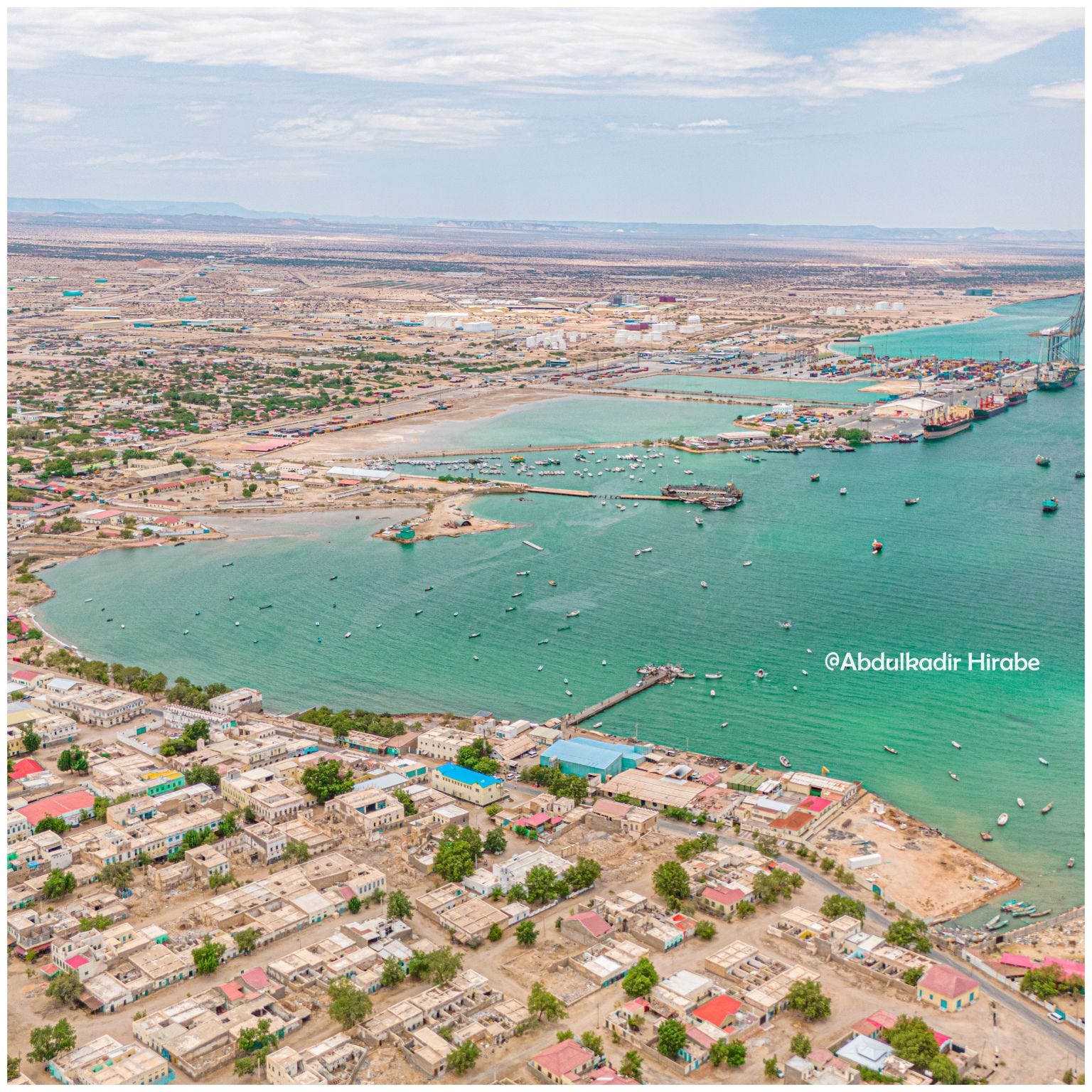
These interests converge around the port of Berbera, forming an emerging alignment — Israel, the UAE, Ethiopia, and India — with the potential to shape Red Sea trade flows linking the Indian Ocean to Europe. From Berbera’s vantage point across the Bab el Mandeb, and in coordination with regional and international partners, Somaliland may soon emerge as the Southern Gate of the Red Sea - a development with profound implications for Israel’s maritime security.
The Overlooked Strategic Risk
Much of the debate has focused on proxy conflict, but a deeper structural risk deserves attention: Israel’s influence in Somaliland is inherently time‑limited.
Whereas the inherent strategic interest for Israel in Somaliland is obvious, it is less so on Somaliland’s interest in Israel. What Somaliland desires most is international recognition. And as it gains recognition – whether through diplomacy or as the outcome of a future conflict – its strategic reliance on Israel will diminish. Somaliland’s trade and resources will be directed towards other actors. And technologies that otherwise would have provided solely by Israel will be provided by others, and investments will flood in. As recognition expands, Somaliland’s economic gravity will naturally shift towards larger markets and wealthier patrons.
If major Arab League states eventually decide that a stable, friendly Somaliland better serves their Red Sea interests than a perpetually fractured Somalia, recognition could follow. Somalia’s chronic instability and inability to secure its coastline may eventually make Somaliland a more attractive partner for states seeking reliable Red Sea access. In such a scenario, Israel’s early engagement would be easily outmatched by the scale of Gulf capital and Arab political patronage. While it appears that Somaliland and Somalilanders have genuinely reached out to Israel in a gesture of comradery and peace, it cannot be ignored that public sentiment in much of the Arab world has historically been hostile toward Israel and that political culture will inevitably shape how Somaliland is perceived if and when it is embraced by Arab states. Any Arab recognition of Somaliland, followed by their patronage and development of the state, might exacerbate and degrade the nation’s relationship and perspective of Israel.
What Israel Must Do Next
To compensate for this inherent flaw, Israel must acknowledge that the actionable prize gained from Somaliland’s recognition is a first-mover advantage. Currently Israel is the sole nation with official diplomatic relations with the country - a fact that grants Israel a large degree of influence. If Israel intends to preserve long-term influence in the Red Sea and secure this maritime route as a national lifeline, two parallel strategies are essential:
1. Consolidate Economic Influence in Somaliland
Israel should move quickly to embed itself in Somaliland’s economic landscape. Investment, infrastructure development, and entrepreneurial activity can create durable ties that survive future political shifts. Israel, whose civilian population has a comparatively high per capita share of entrepreneurs and engineers, possesses the human capital to move quickly. Somaliland has already passed laws offering 5 year tax exemptions and and allowing complete foreign ownership. If Jerusalem were to establish government backed business loans, explicitly for industries and companies in Somaliland and to stipulate the export of their products to the shores of Israel, such a first-mover advantage would be greatly accelerated. A locally rooted middle class with economic links to Israel would help maintain influence even after broader international recognition.
2. Develop an Additional Coastal Partnership
Israel must diversify its Red Sea access by cultivating another coastal ally in the Horn of Africa — ideally one less likely to align with regional hostility toward Israel in the future. Somaliland alone cannot anchor Israel’s long‑term maritime strategy.
Conclusion
Israel’s recognition of Somaliland was strategically sound, but it is not a permanent solution. The Horn of Africa is entering a period of accelerated geopolitical competition, and the Red Sea’s importance will only grow. Israel’s challenge now is to act quickly — deepening its foothold in Somaliland while securing additional partnerships — before larger regional powers reshape the landscape.


