Zelensky's Russian mob connections
The KGB, Mogilevich, Derkach and Mindich.

There’s been a storm of hate directed against Yuliya Mendel for giving an interview to Tucker Carlson three days ago. Many are simply content to call Zelensky’s former press secretary a Kremlin propagandist. After all, any criticism of the Ukrainian government in wartime benefits Moscow. Terrible.

But as we’ll see today, what she’s saying is confirmed by a number of other sources. In fact, it’s confirmed by liberal nationalist media publications and even law enforcement agencies that are most certainly not Kremlin stooges. If anything, they’re Washington stooges.
Indeed, one particular thing Mendel mentions problematizes the strict division between Moscow and Kiev. At one point in the interview, Mendel mentions an investigation by Ukrainian law enforcement last year which found that Zelensky’s money laundering operation was run by ‘a guy who worked with the Russian mafia’. Mendel doesn’t explain what she means, understandable given the time constraints.
However, the story of the relationship between Zelensky and the most powerful mobsters on earth is quite fascinating. The man in question here is Semion Mogilevich, the boss of bosses of the Russian mob, called by the FBI and CIA ‘the most dangerous mobster on earth’. Though Mogilevich was born in Kiev and spent some time in Israel, he’s generally called a ‘Russian mobster’. He does live in Moscow, after all, and seems to entertain good relationship with the government there.
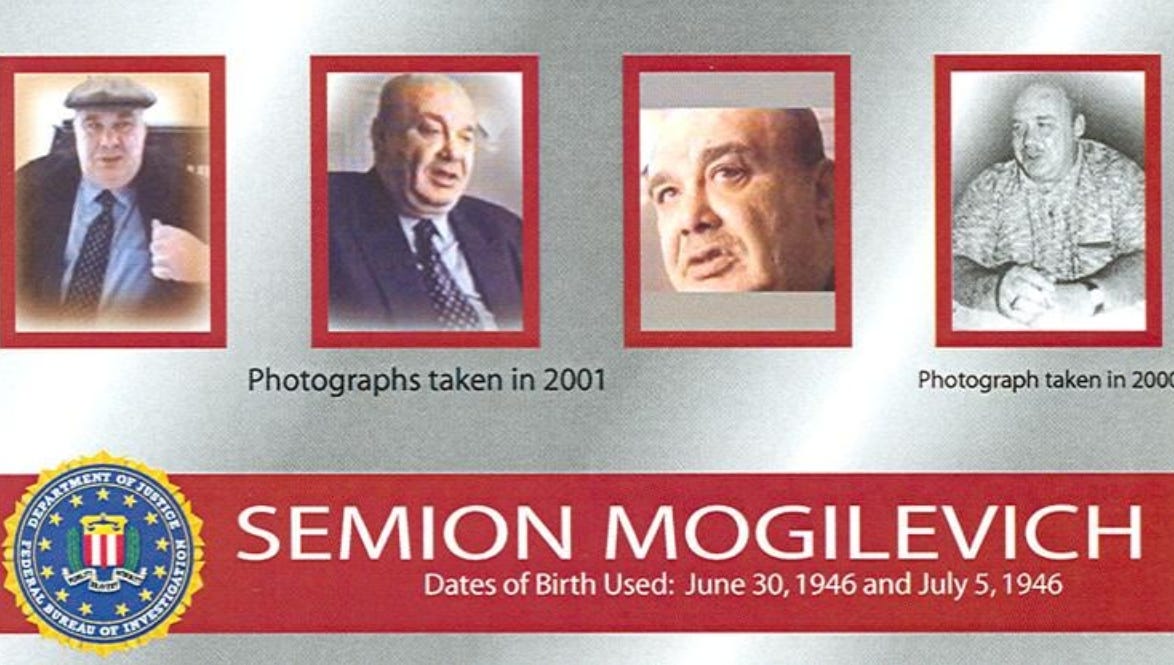
But Mogilevich seems to have equally good relations with the Ukrainian government. And more importantly, with certain very important friends of Ukraine’s head of state. Today, we’ll be taking a look at the remarkable revelations revealed the past 6 months about Mogilevich’s ongoing connections with Zelensky’s ‘Family’.
Poor pensioners
Before we get to men laundering hundreds of millions of dollars, we’ll take a look at the lives of the majority.
Mendel told Tucker Carlson that the average pension in Ukraine is 75 to 180 dollars a month.
Indeed, the official average is $148 a month. However, this average takes into account some rather comparatively pensions that a minority of pensioners receive.
It’s better to break down the data. The most widespread pension is between $68 to $90 a month — 31% of pensioners get this much, or over 3 million people. 20% of Ukraine’s 10 million pensioners receive $90 to $113 USD a month.
Meanwhile, the average Ukrainian household pays $93 a month on basic utilities like energy and water). Many pensioners live on their own, and spend all their pensions on utilities while also plunging into debt. Some lose their apartments to scammers and microdebt predators. Many of the homeless in Ukraine are elderly women and men, where they are further victimized by fascist auxiliary police and mafia groups specialized in extorting the homeless. Pensioners visiting the supermarket wander about in search of the cheapest potatoes and eggs. Where present, many visit soup kitchens.
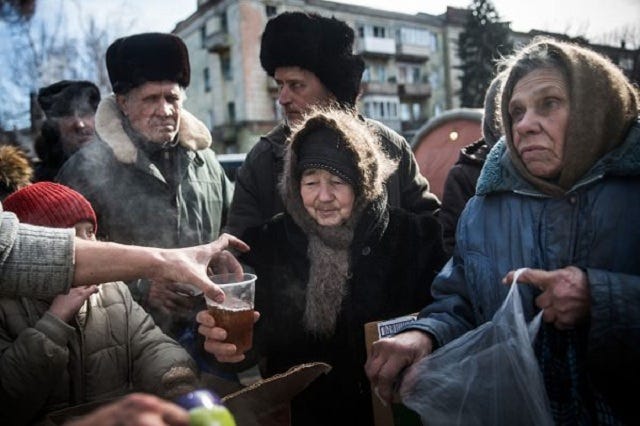
The western press has enjoyed reporting on Ukraine’s ‘resilience’ in surviving the past winter, despite large scale blackouts following Russian airstrikees. But they neglect to mention the fact that very many people did suffer a great deal — it’s just that the death of countless poor old men and women is no tragedy for think tankers and journalists.
Keeping on the topic of the country’s abandoned elderly population, Mendel mentions the death by hunger of a well-known ‘film director two or three weeks ago’. She was referring to the early February death of Pavlo Loiko, an 81-year old who had been a camera operator at the Dovzhenko Film Studio, a very famous Soviet Ukrainian institution.
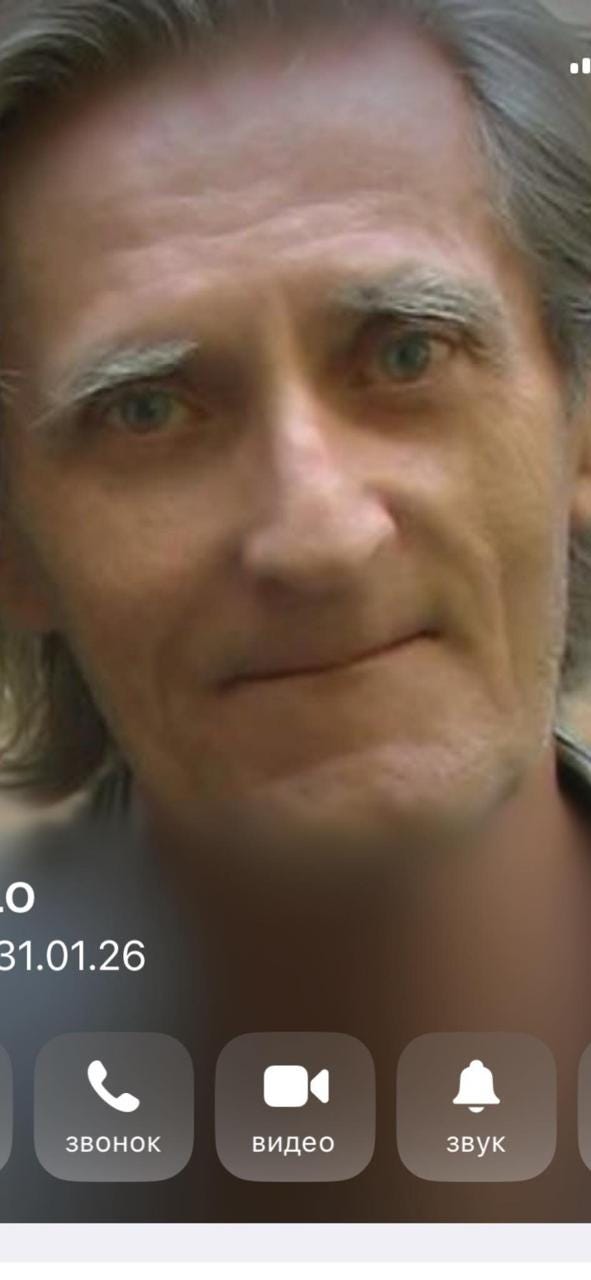
Loiko died in the village of Vorzel in the Kyiv region. It came to public attention due to a February 5 Facebook post by Svetlana Poklad, Loiko’s neighbour and widow of the famous music composer Igor Poklad. This is what she wrote:
A neighbor died last night. And now the worst part. He died of hunger and cold. His family—him and his wife. No one else. Unfortunately, they were hermits, never letting anyone into their lives. At most, they’d say good afternoon, good evening. Otherwise, they had a plot of land, a vegetable garden, and were over 80. Just today, the widow told me they’d been living on water for two weeks because they had no money for food. Yesterday, the husband’s heart stopped; it couldn’t take it
In response, the regional military administration denied Poklad’s claims that Loiko had died of hypothermia or cold.
And a final point about population and numbers. Mendel said there are 25 million people left in Ukraine currently, down from 35 to 40 million in 2021. Indeed, on May 10 Ukraine’s minister of social policy stated that 20-25 million people live in territory controlled by Kyiv. He claims that at the start of 2022, there were 41 million people. In 1991, he claims, there were 48 million (most sources put that at 52 million, but no matter).
In short, no country for old men, or any people at all.
A cynical dictator?
And now we can move onto the main character of the television show we’re all living through — Volodymyr Zelensky. He’s been having a much better time.
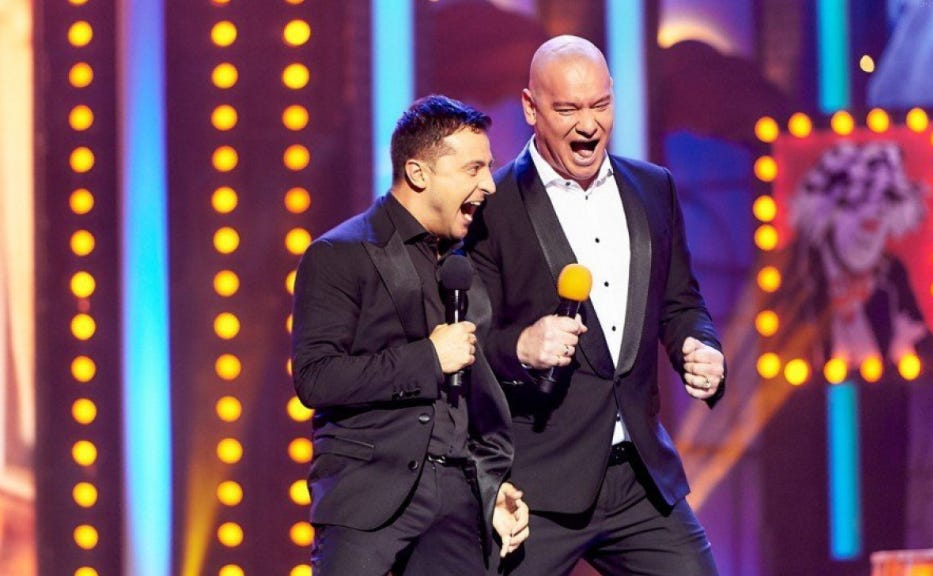
Of course, there’s been plenty of outrage about Mendel’s description of Zelensky as a duplicitous dictator. I’ll leave it up to you to decide whether such a title is appropriate for the leader of a country where men over 18 at banned from leaving the country, even shot and killed by their own border patrol when trying to escape.
But what is undeniable is that Zelensky has always run quite a tight ship, so to speak. After all, before becoming president in 2019, he spent his adult life running a comedy studio — Kvartal 95. Besides drugs, if there’s one thing that show business is known for, it is autocratic management styles.
Here, for instance, is what Igor Kolomoisky said about Zelensky in 2019. Kolomoisky owned the media group 1+1 that contracted Zelensky’s Kvartal 95 since the 2000s.
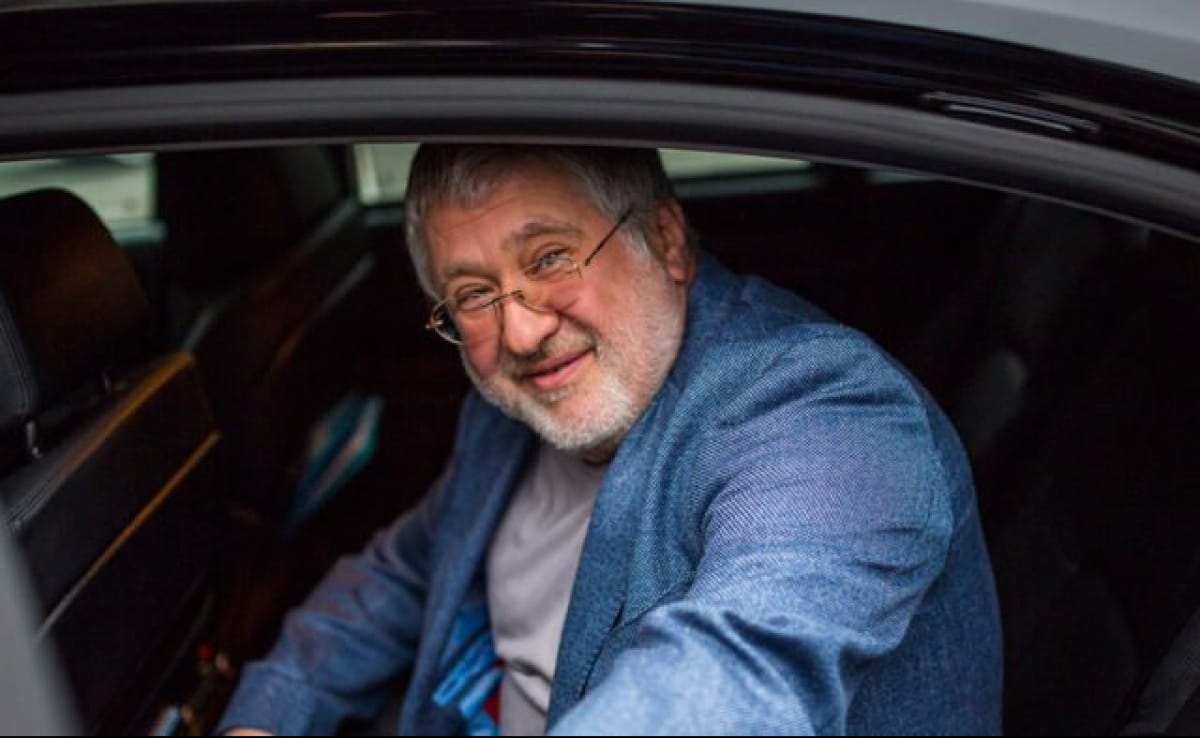
It was thanks to Zelensky’s victory that Kolomoisky could finally return from exile in Israel back to Ukraine — he flew back on May 16, 2019, four days before Zelensky’s inauguration. Because of how shamelessly 1+1 had supported Zelensky’s electoral campaign, as well as the fact that Zelensky’s chief of staff, Andrey Bohdan, was Kolomoisky’s former lawyer, many viewed Zelensky as Kolomoisky’s p upper. Though Zelensky would end up imprisoning Kolomoisky in 2023, in 2019 the two were still more than positively disposed to each other.
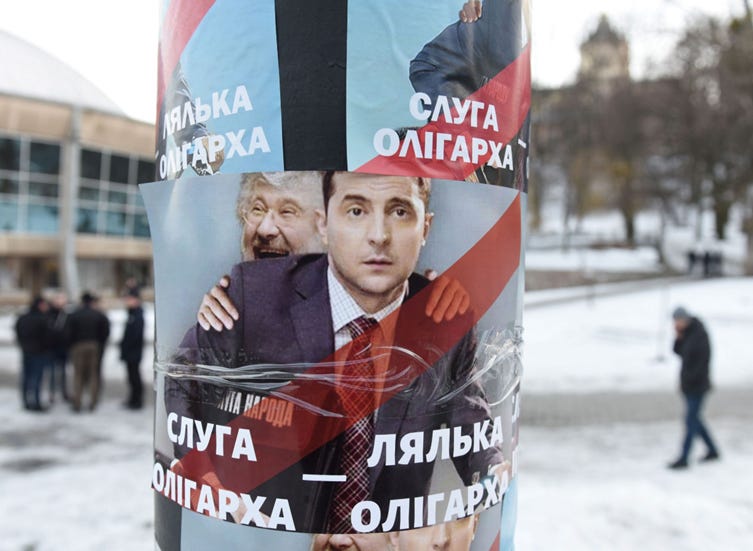
Anyway, all that’s to say that Kolomoisky was certainly not trying to slander Zelensky in the following May 27, 2019 interview. His description of Zelensky is meant to be positive, to push back on those decrying Zelensky as a weak, cowardly comedian.
— You know Volodymyr Zelenskyy not just as an actor, but as a business partner as well, because he sells his productions to the “1+1” channel. What is Zelenskyy like in business? Does he understand legal and economic matters?
— Yes, of course. I can only judge based on our contract with him.
— Is he a cynical businessman?
— Very much so.
— Can you give an example?
— You can’t let your guard down with him. No sentimentality. If you owe something, then you owe it. No discussions, no leniency. He’s modern — very much from the generation of the ’70s, closer to the ’80s. My sister is like that too: tough. He’s very formidable.
In the same interview, besides laughingly denying the possibility of any conflicts emerging between himself and Zelensky (jinxed), Kolomoisky also sheds some light on Zelensky’s wealth. Apparently, Kolomoisky’s 1+1 pays Zelensky’s Kvartal 95 ten to twenty million US dollars annually. And that’s been going on since 2012. That’s why Mendel is quite right to tell Tucker that Zelensky has always been quite rich. After all, Zelensky was the most popular comic and television personality of the country since long before 2019.
Mendel also describes Zelensky to Tucker as a deeply duplicitious man entirely formed by his life as an actor. This is a common characterization of Zelensky among people who know him well. In a 2021 interview, Zelensky’s first chief of staff (2019-20) Andrey Bohdan told an interviewer the same thing.
We don’t understand that Volodymyr Oleksandrovych never really left Servant of the People, his TV series. He’s playing this role. We get offended — you get offended, I get offended that he lies. I wrote a post about it, you say it, lots of people say it: ‘But that’s not true, he lies constantly, all the time.’ But he’s not lying. He’s acting. For him, the task is to be liked. So he comes out, says something, the camera records it, the spotlights go off — that’s it. After that, he’s no longer interested. Was the image good? Good. Did people like it? They liked it. Did they applaud? They applauded. That’s it, he’s done his job.
Keep in mind that Zelensky’s TV show ‘Servant of the People’, run from 2015 to 2019, depicted Zelensky as an ordinary schoolteacher who became president. It was thanks to this populist tale (a new season of which appeared during the elections), whose slogan since 2015 was ‘the story of the next president’, that Zelensky became president.
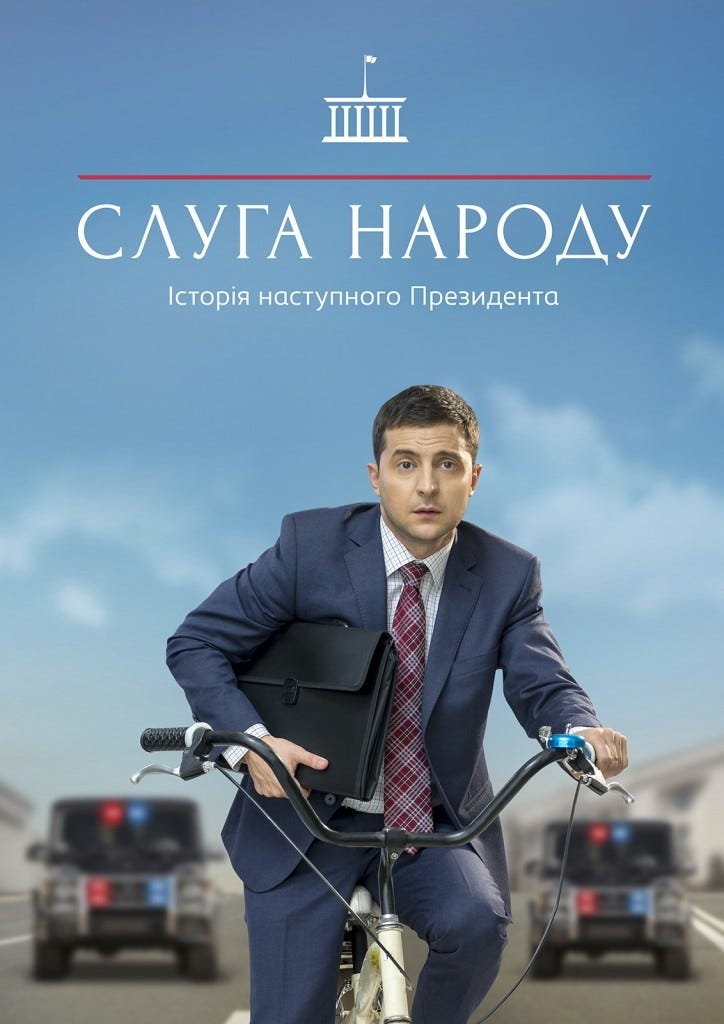
People didn’t so much vote for Volodymyr Zelensky as they did for Vasyl Holoborodko, the schoolteacher-cum-president hero of Servant of the People. Now let’s return to Bohdan’s characterization of Zelensky’s relationship to the truth.
And what we call ‘lying’ are just plot twists. Volodymyr Oleksandrovych used to say: look, a film will be a box-office hit if it’s interesting from the first minute to the last. But you understand, you can’t build a proper real-life story like that. There have to be fantastical twists: aliens arrive here, treasure is discovered there, grandma suddenly crawls in over here. For a film, that’s great. For life, it’s not.
But he never had another kind of life. He never worked in government service or at major enterprises. He doesn’t know how. And my great tragedy is that he still hasn’t learned. In this respect, he’s degrading. He kept rising and rising and rising, and then once he got here, he fired everyone who understood the bureaucratic language, and now he sits there continuing to make his films — and we can’t do anything about it.
I’ll add that Servant of the People had a final season, launched frenetically in late 2018/early 2019 during the elections, and played on repeat by 1+1. It was much more dramatic than the previous seasons. In the climax, Ukraine is divided up into dozens of microstates by a catastrophic war. Ex-president Holoborodka is flabbergasted. One must wonder why Zelensky and Kolomoisky thought that such a message would appeal to Ukrainians — vote for me, and the state will disintegrate. And yet, it worked.

And since 2022, the whole world has been living in Zelensky’s film. What an honor.
Russia and Boris Johnson
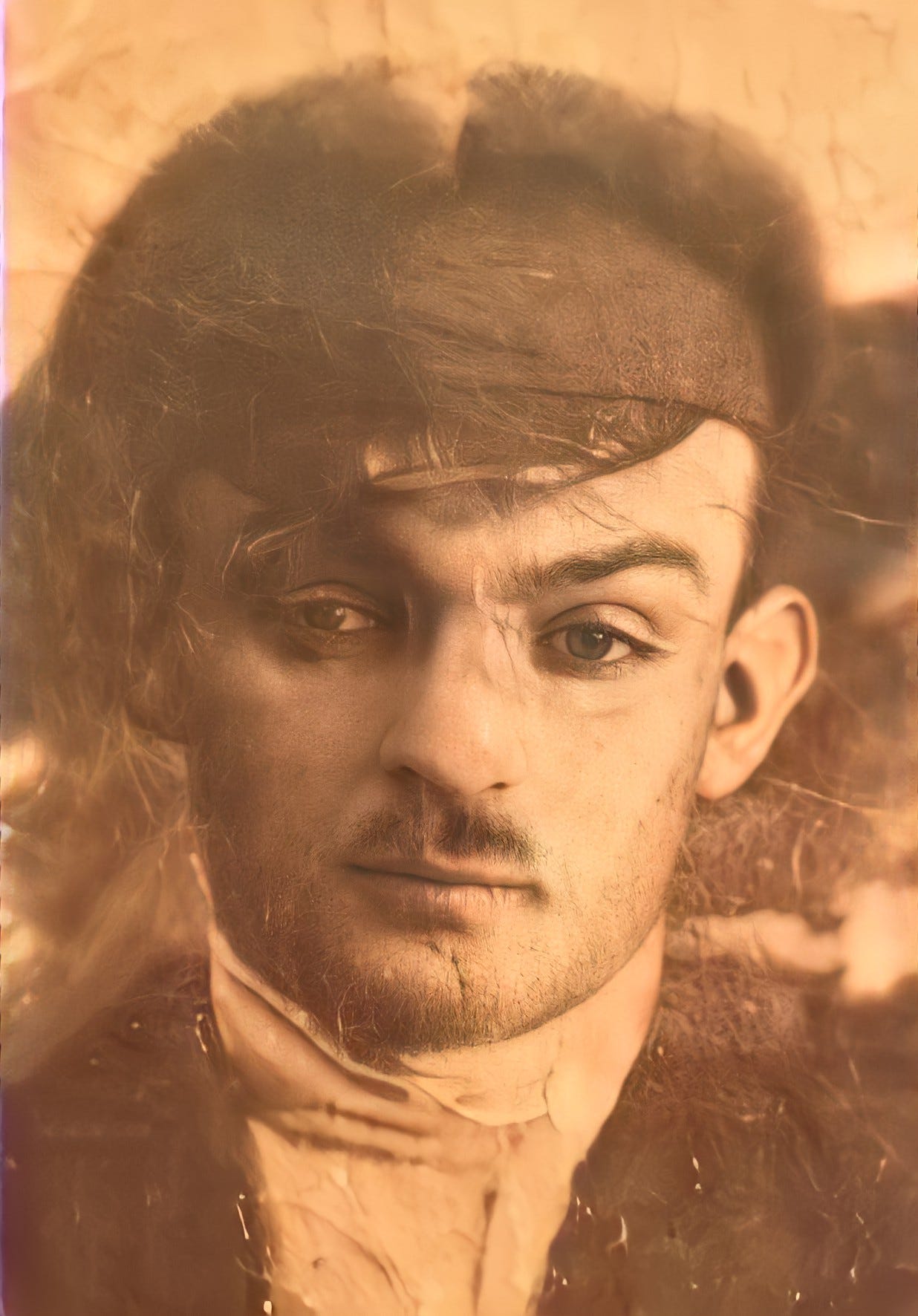
We move closer and closer to the topic of Zelensky’s relationship with the Russian mafia. Kolomoisky is already close enough — his nickname is ‘Benya’, after the famous Jewish gangster in Isaac Babel’s ‘Odessa Tales’, a fictional character modeled after the quite real 1920s gangster Mishka Yaponchik.
Before we get to the mob proper, let’s talk a bit more about Zelensky and Russia. And Yulia Mendel, who I’m meant to be fact checking, does after all say that it was Boris Johnson who ruined Zelensky’s attempt to make a deal with Moscow in March 2022.
Now, I will admit that this isn’t my favorite topic. Arguments over what really happened in March 2022 often get very convoluted and based on all forms of ‘inside sources’.
However, it is worth noting that the main source of the claim comes from an interview with David Arakhamia, the highly influential head of Zelensky’s parliamentary fraction.
Arakhamia was hence involved in the famous March 2022 negotiations. He talked about Boris Johnson’s role in disrupting these talks in a November 2023 interview with 1+1, Zelenskys television channel, speaking with the pro-Zelensky host Natalia Moseychuk.
The statement is also noteworthy in that Arakhamia confirms that what Russia really cares about is not Ukrainian territory, but a real commitment to cease military cooperation with NATO.
The goal of the Ukrainian delegation was to drag out the process. And the goal of the Russian delegation? In my opinion, their goal was to show that they genuinely — almost until the very last moment — hoped they could pressure us into signing such an agreement, so that we would adopt neutrality. That was the key thing for them. They were prepared to end the war if we accepted neutrality like Finland once had and committed not to join NATO. There was really only one key point — neutrality. Everything else was cosmetic political seasoning: ‘denazification,’ Russian-speaking population, blah blah blah.
Why didn’t Ukraine agree to that point? First of all, to agree to it we would’ve had to amend the constitution. Our path toward NATO is written into the constitution. Secondly, there was no trust in the Russians — there wasn’t then and there still isn’t — that they would actually honor it. That could only work if there were real security guarantees. We couldn’t sign something, relax, everyone breathes out — and then they come back better prepared. Because in reality they entered the war unprepared for this level of resistance. So we could only proceed if there was one-hundred-percent certainty this wouldn’t happen again. And there was no such certainty.
Moreover, when we returned from Istanbul, Boris Johnson came to Kyiv and said that we shouldn’t sign anything with them at all and that we should simply keep fighting.
No doubt Arakhamia was implementing orders from his Russian handlers when he said that. But in fact, it is Zelensky that is much closer to Moscow, whereas Arakhamia’s loyalties lie across the Atlantic Arakhamia spent the late 90s, 2000s, and early 2010s living in the US.
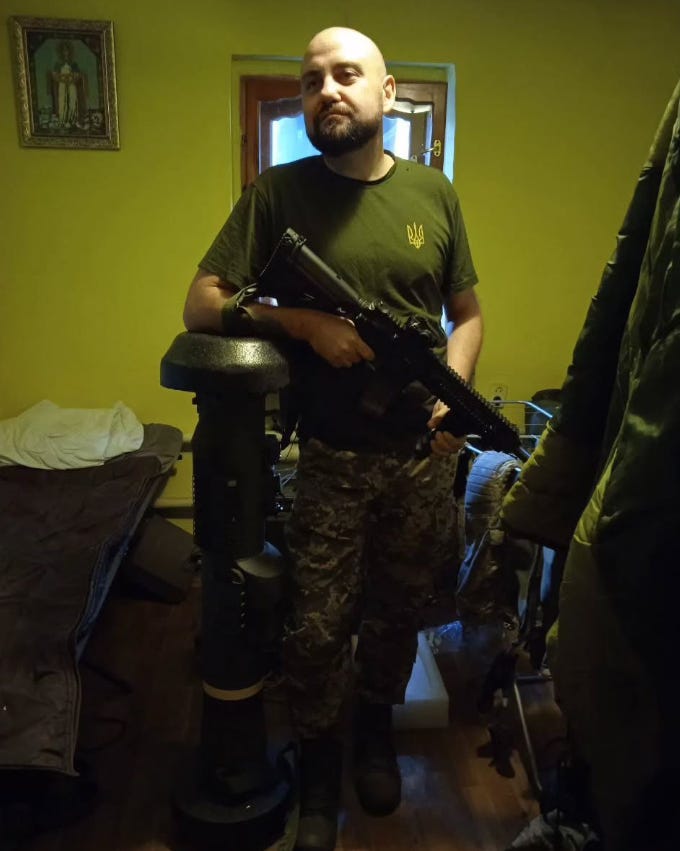
And it doesn’t stop there. Arakhamia is also most likely an FBI agent who began cooperation following his arrest in the early 2000s for involvement in the world’s largest cybercrime network. This allegation is quite common, and it was made against in late 2025 by the leader of said cybercrime network, Vladislav Horohorin. Horohorin, released from American prison in 2017, is now among the curators of the Ukrainian army’s cyber warfare branch (which largely involves scamming Russian pensioners).
The film market
Now we’re getting closer to the mafia — post-soviet show business.
Mendel also talks about how Zelensky made much of his fortune working in the Russian market. This is a well-known fact. In the late 90s and early 2000s, Zelensky began his comedy career in Russia, touring the country as a competitor in the KVN comedy league.
Boris Rodnyansky, the original founder of 1+1 in the late 90s and the man who launched Zelensky’s career in the early 2000s, spent most of his time in Moscow until the 2020s. Among many other blockbusters, he produced the 2013 war film ‘Stalingrad’, which became Russia’s highest grossing film. Rodnyansky, by the way, was chosen by Zelensky as a key mediator in the 2022 talks with Russia.
In January 2012, Zelensky released a film simultaneously in Russia and Ukraine. It was about Napoleon’s invasion of Russia — Zelensky famously, and with great talent, played Bonaparte. The role seemed to be made for him.
There were many other films both before and after that Zelensky released on the much larger Russian market. All of Zelensky’s films, and the Servant of the People of the TV show, were made exclusively in the Russian language.
Mendel says that Zelensky admitted that he released a film in Russia ‘in 2014’. Perhaps she means Zelensky’s film ‘8 Best Dates’, which was actually screened in Russia started in March 2016. It was among the 15th highest-grossing films in Russia that year.
This, needless to say, meant that Zelensky was still profiting from the Russian market two years after the annexation of Crimea and the death of tens of thousands in the Donbass war.
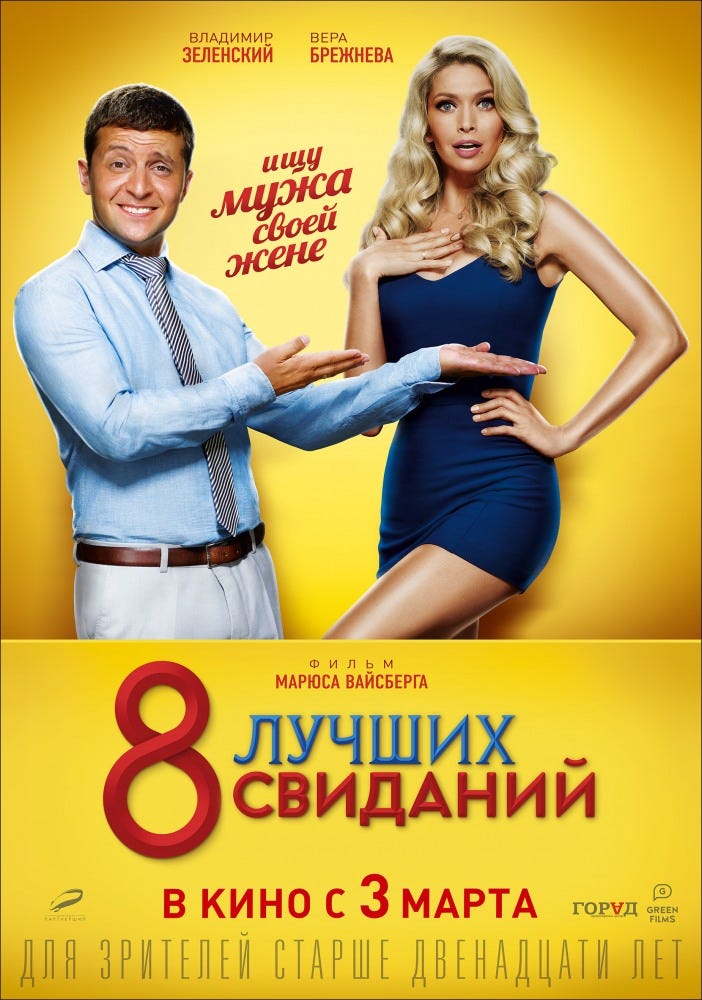
There were attempts in 2016 by some patriotic Russians to boycott the film due to Zelensky’s criticism of Russian government policies. However, the Russian government was quite supportive of the film. Russian media reported that the Russian Ministry of Culture issued a distribution certificate for the film, the film’s distributor was Central Partnership, part of the state holding Gazprom-Media, the state-run Channel One provided PR for the film, and most Russian media did not cover the campaign to boycott the film. Not surprising, given the depth of Zelensky’s relations with the Russian elite, as I covered here and here.
Mendel also says that Zelensky ‘was working for Russian propaganda channels and he was fine with that’. One need only take a look at Zelensky’s famous New Year 2013 performance for the state television channel Russia 1. In the audience, at 30 seconds, is the jubilant Vladimir Soloviev, who is today Russia’s grandstanding, Mao-suited televised war-fighter.

Zelensky played a prominent role in the Russia 1 New Year’s program many times. In his 2014 appearance, he cracked jokes with Russian comedian Maxim Galkin about the rapidly militarizing relationship between Russia and Ukraine.

Zelenskyy — New Year’s is a battle, and you could write military memoirs about it. I, for example, would begin like this: ‘The New Year offensive began precisely at 00:00 with a volley of champagne...
Galkin — Following the champagne volley came artillery support from fireworks and firecrackers.
Zelenskyy — The enemy began advancing in groups of... 50 to 100 grams.” [of vodka — EIU]
Galkin — This is the perfect moment to announce negotiations, but there’s one problem: not everyone is in a condition to speak...
Zelenskyy — In that case, it’s time to capture a tongue [take a prisoner for interrogation — EIU]. And then the climactic moment arrives. Everyone is asleep. No victims or casualties. This is the long-awaited victory! Welcome to the first New Year’s evening...
But perhaps my favorite story about Zelensky and Russia is the tale of how he gave a private show to then-Russian president Dmitry Medvedev and the ‘pro-Russian’ Ukrainian president Viktor Yanukovych. Zelensky lovingly reminisced about this show in a 2019 interview with Dmitry Gordon. Nowadays, of course, Medvedev hardly misses the chance to demand nuclear strikes on Ukraine.
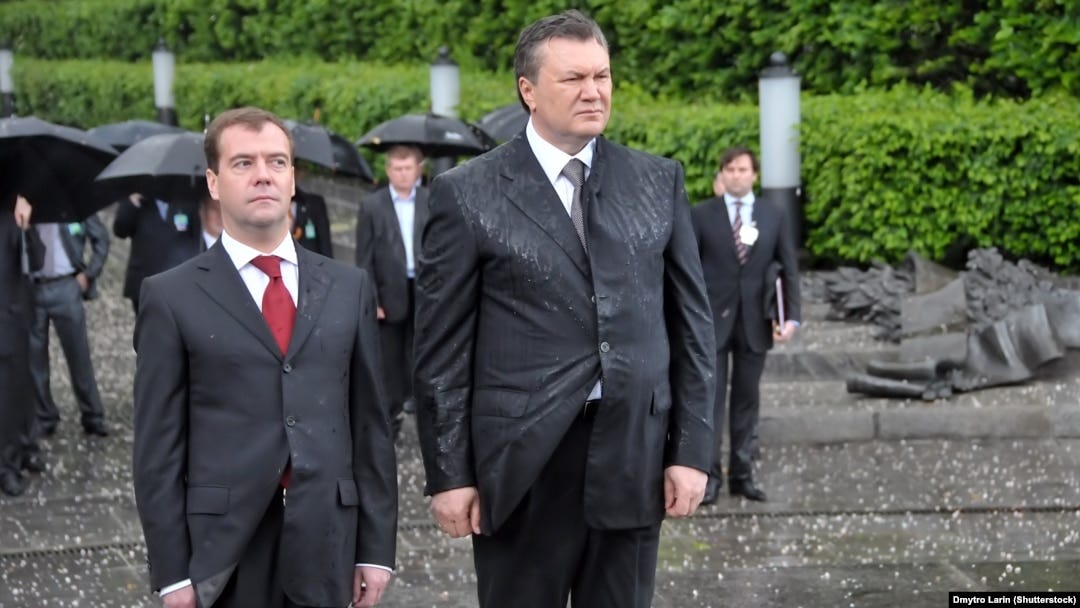
I translated Zelensky’s whole recollection of the story here, but the gist of it is that Zelensky and his fellow Kvartal comics were driven to a forest in Ukraine to perform on a large stage for a very small audience — the two presidents. When Zelensky finished his performance and a famous popstar began singing, the presidents disappeared and returned after some time, now dressed in bathrobe. In his usual style of humur, Zelensky joked that ‘If they’d taken off the bathrobes, we probably would’ve had to pay them!’. After it was all over, Medvedev personally approached Zelensky and praised his performance, but warned to be careful with his politically sensitive references.
Mogilevich
Now we get to the meat. The boss of bosses.
At one point in her interview, Mendel mentions the recent corruption scandal involving the state firm Energoatom, whereby ‘law enforcement proved that behind the whole scheme is a guy who worked with the Russian mafia’. Tantalizing, no?
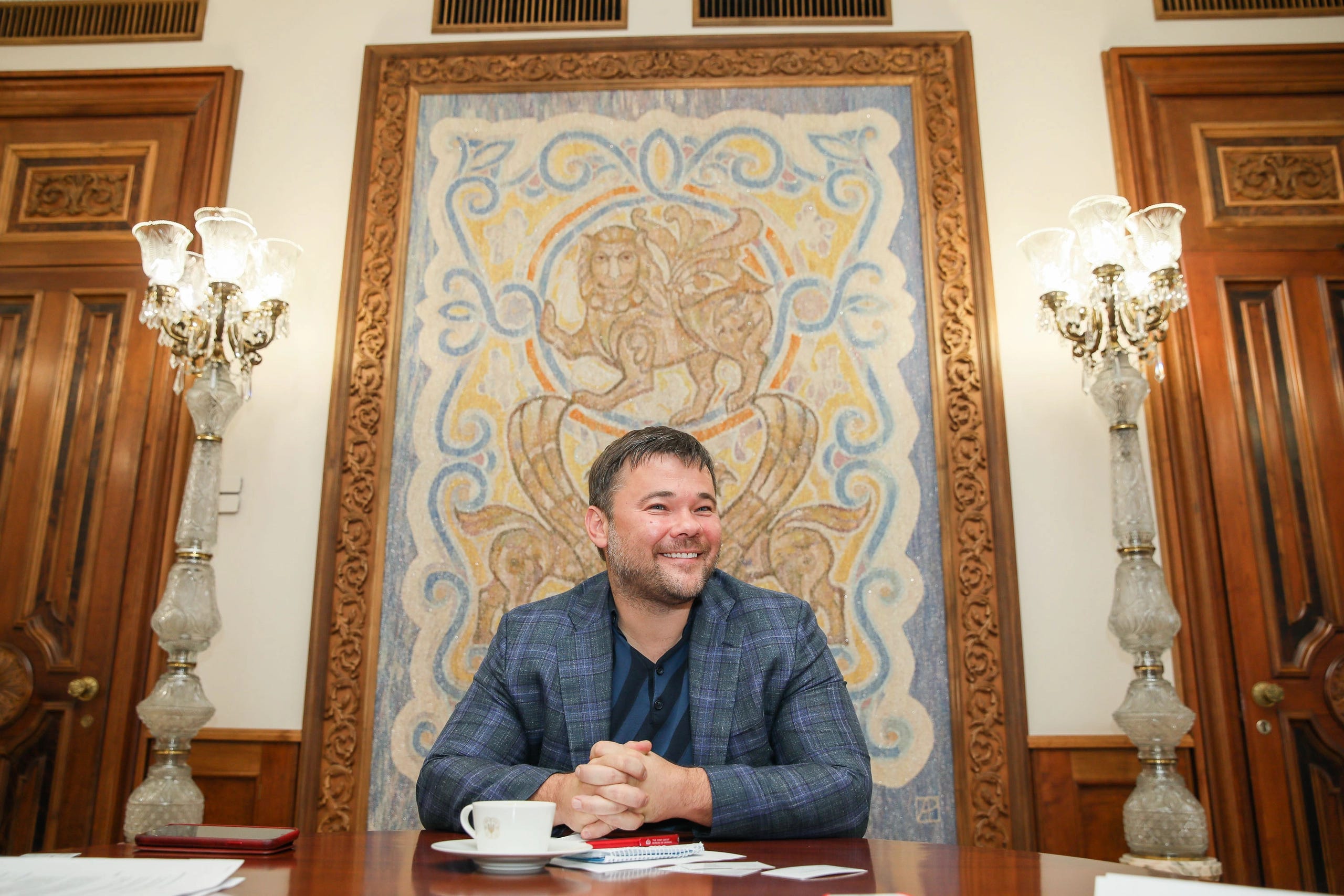
Mendel is referring to the November 2025 charges of money laundering and organized crime against Timur Mindich and his associates by the National Anti-Corruption Bureau of Ukraine (NABU). Mindich, the man who Kolomoisky says introduced him to Zelensky in 2008, was also the co-owner of Kvartal 95 until December 2025 (he fled the NABU charges to Israel in November). He is among Zelensky’s closest friends, with the president famously flouting coronavirus quarantine rules to visit Mindich’s infamous apartment in early 2021 — as usual, Mindich was hosting Zelensky for his birthday.
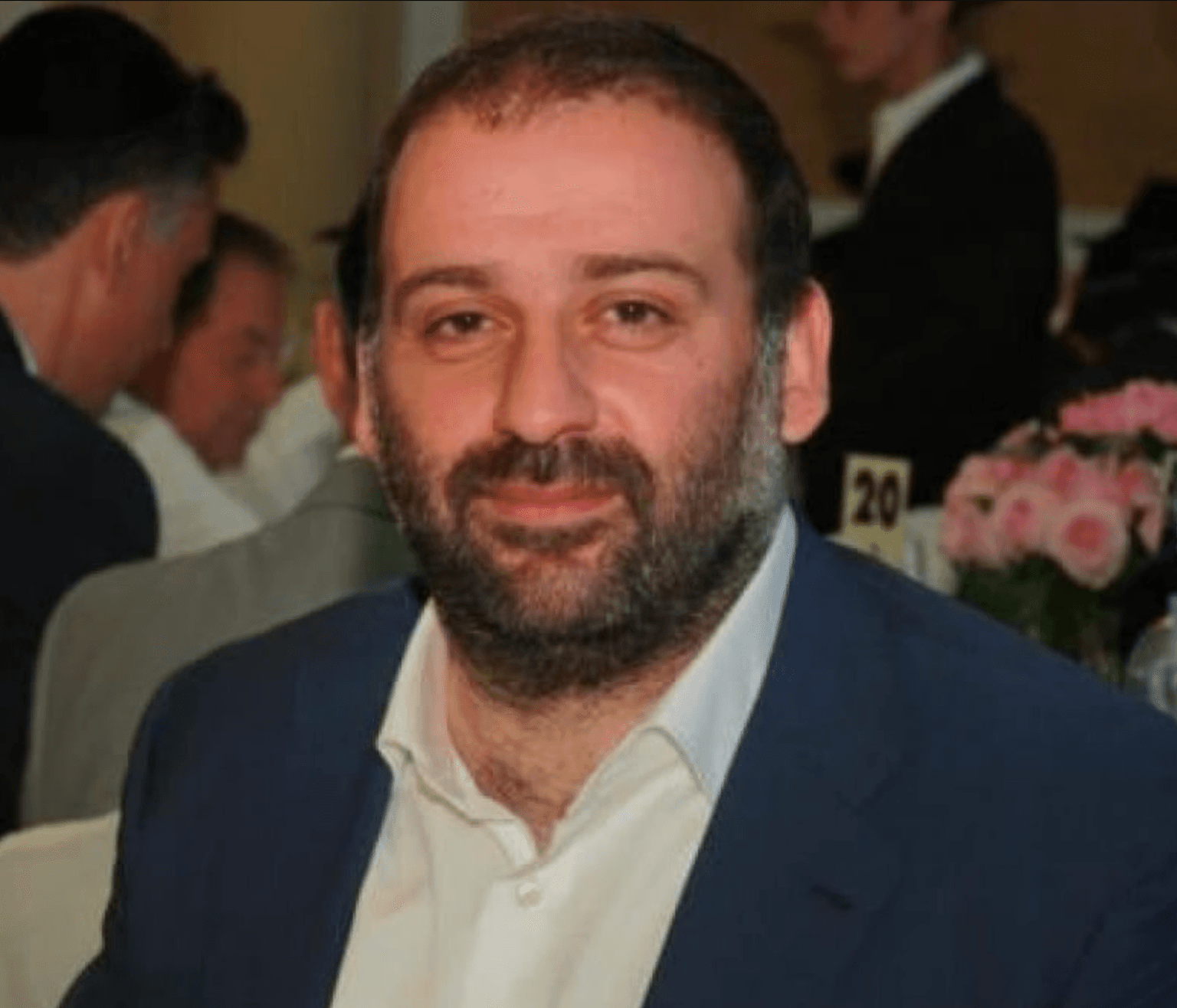
Anyway in November 2025, the NABU, which was originally created by the US in cooperation with Soros’s Transparency International, revealed wiretapped conversations where Mindich and his friends discuss their wartime embezzlement schemes, which involved skimming 100 million US dollars from the nuclear energy system.
This past week, Zelensky’s beloved chief of staff Andrey Yermak was charged by the NABU, accused of using funds laundered by Mindich to build four mansions. One for Yermak, one for Mindich, one for their friend Chernyshov, and one for Zelensky The NABU can’t charge the last mobster because of presidential immunity, but its own released conversations prove that it’s him.
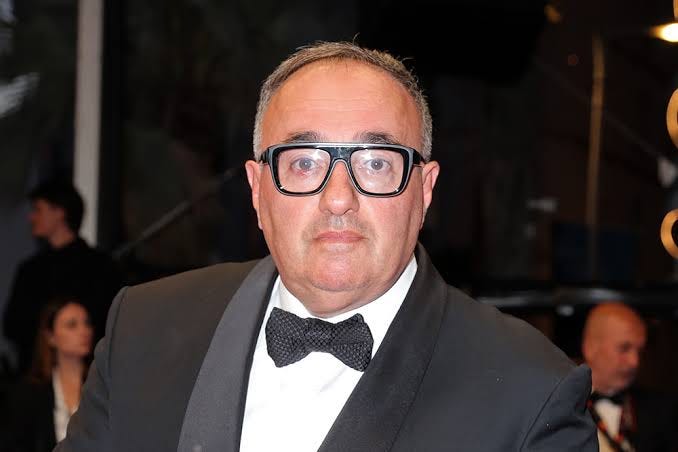
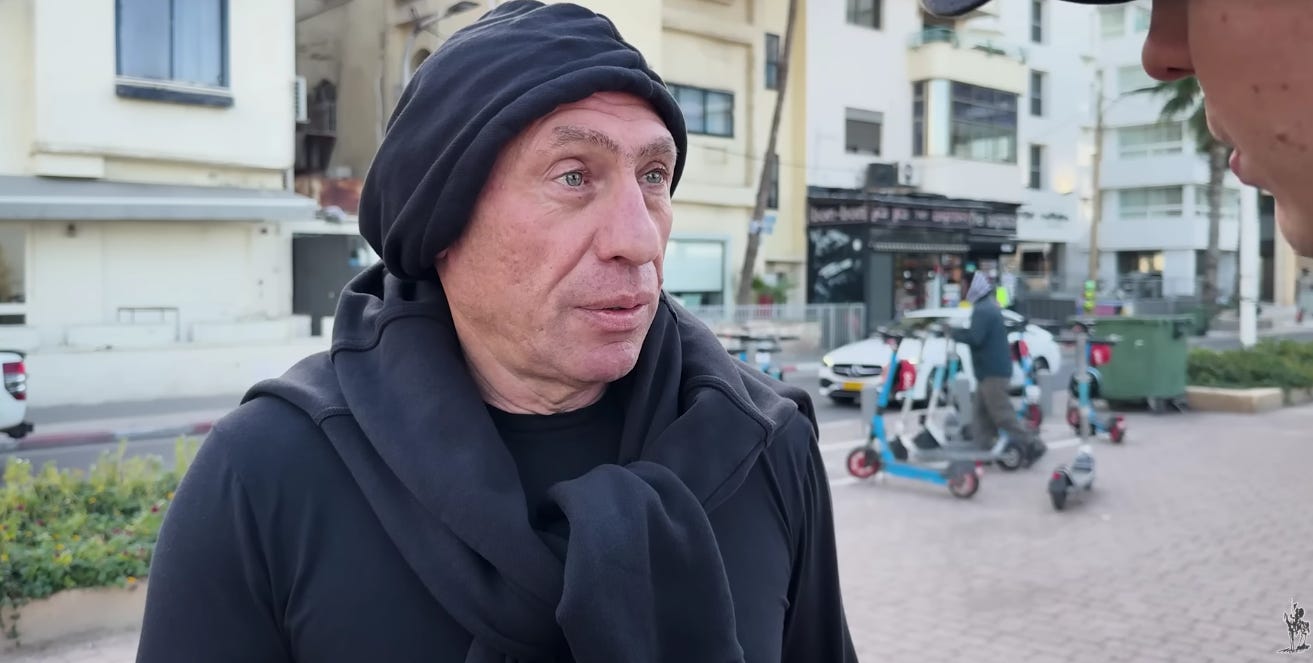
So where’s the Russian mob? Well, to begin with, Mindich is an Israeli citizen who only speaks Russian. It is quite difficult to describe his form of business, which Kolomoisky tries to sum up as ‘real estate’. Ukrainian journalists found Mindich and his friend Aleksandr Tsukerman in Israel a few months ago, and their appearance and speaking style is certainly of the ‘Odessa-Brighton Beach-Tel Aviv’ type. Tsukerman (below) was adamant that his supposed money laundering office was in reality an ‘intellectual club’ for the ‘discussion of philosophy’, a claim I’ll leave you to evaluate.
But more importantly, already in November 2025 the NABU revealed quite interesting links between Mindich and co to the Boss of Bosses of the Russian(-Israeli-Ukrainian) mob — Semyon Mogilevich. This is someone I’m sure many westerners have heard of.
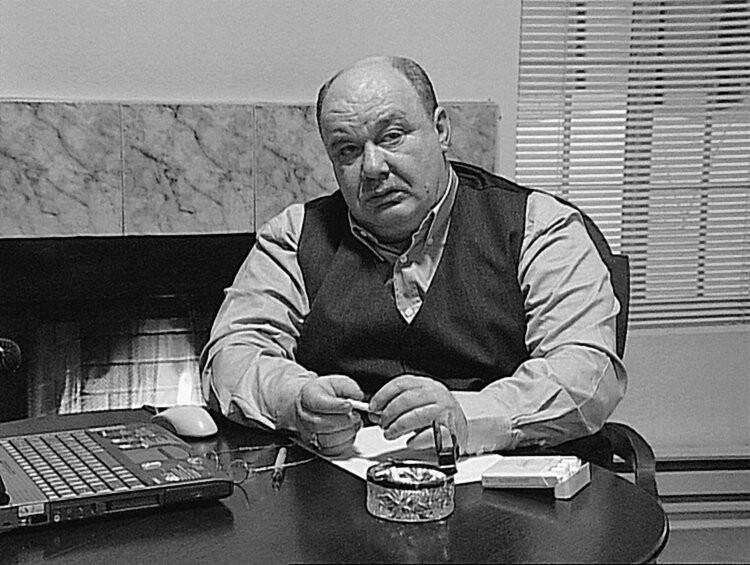
The FBI and CIA call him ‘the most dangerous mobster in the world’. The Feds count among his business activities ‘weapons trafficking, contract murders, extortion, drug trafficking, and prostitution on an international scale’. They missed one very important sector — money laundering. It is here that Mogilevich intersects with the Mindich-Zelensky group.
Let us now turn to this exceedingly interesting network of mobsters and spooks, both Ukrainian and Russian.

