

Luge
 International Luge Federation
About luge
In luge, athletes race down an ice track at over 150 km/hr, relying on their reflexes and balance to steer the luge. As we look forward to Milano Cortina 2026, here’s everything you need to know about one of the most adrenaline-fuelled disciplines of the Olympic Winter Games.
Spotlight: Stories





Olympic Moments
Check out the schedule and results
Find out when your favorite event started and your favorite athletes competed

Competition events
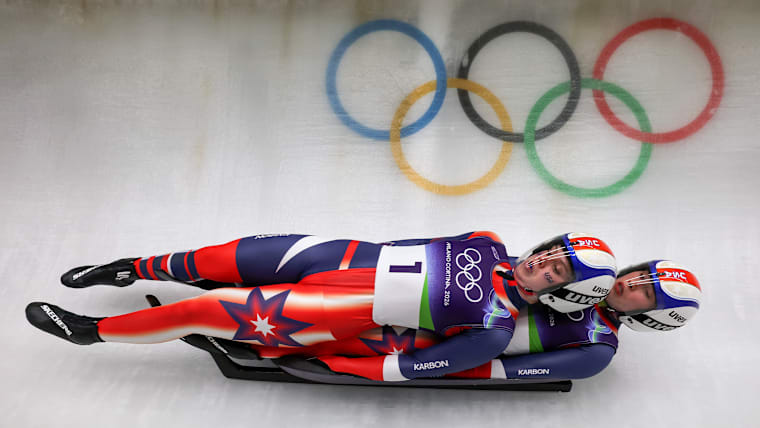
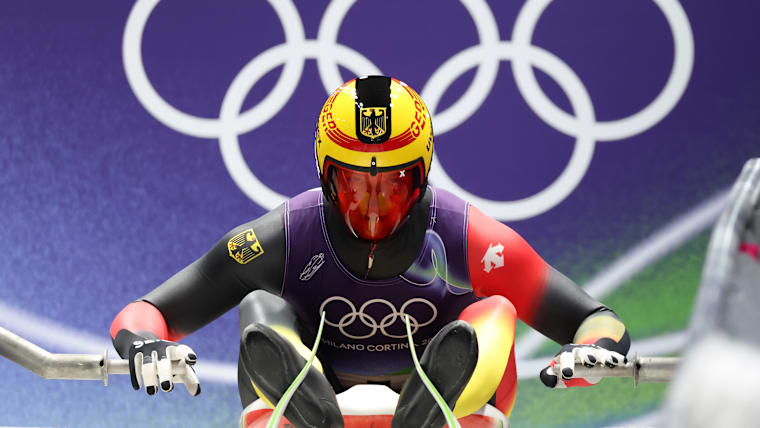
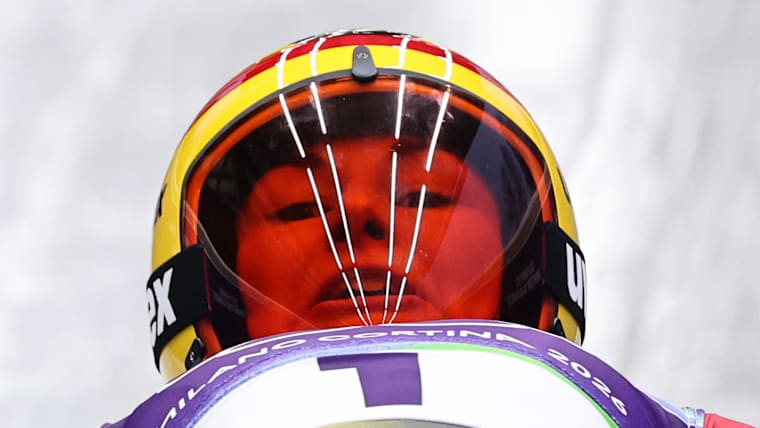
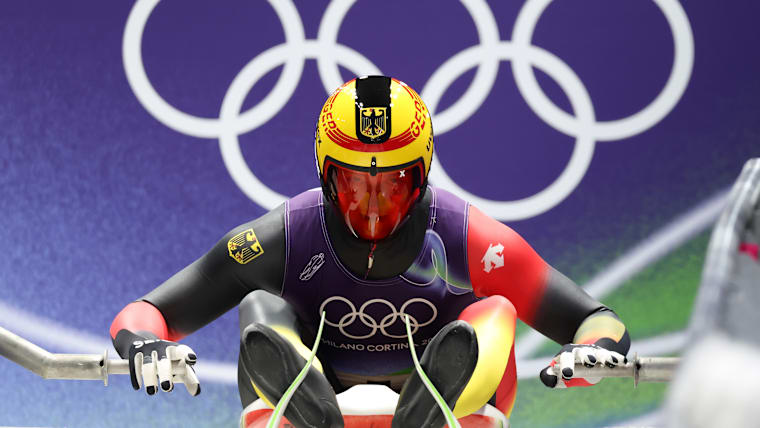
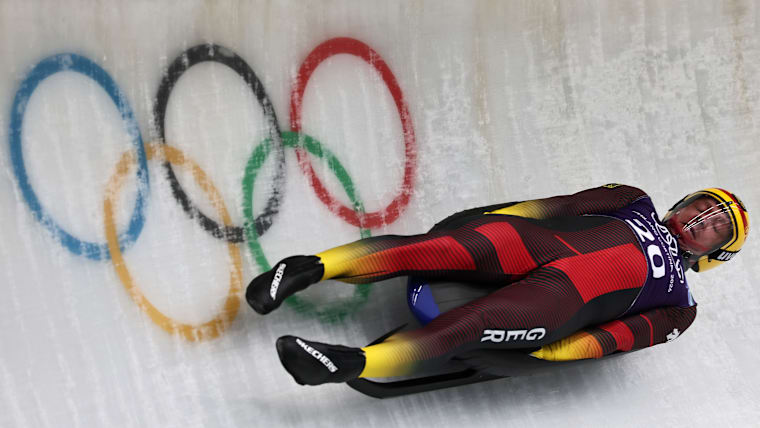
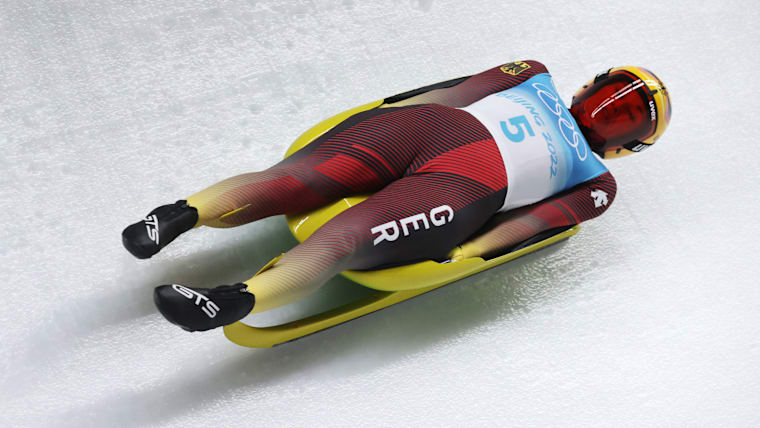
Luge is the fastest sport in the Winter Olympics. Athletes lie on their backs on a small sled, with their feet stretched out in front of them, and race along an icy track at speeds exceeding 150 km/hr, without mechanical brakes. The blades under the sled are also sharper than those in bobsleigh or skeleton and more difficult to control. Yet, these champions make it look easy. Despite enduring 6Gs of pressure on the curves, they must remain physically relaxed to maintain the maximum speed.
The competitions at Milano Cortina 2026 will consist of five events for men and women:
Watch the Sport Explainer
Luge | Sport Explainers | Olympic Winter Games Milano Cortina 2026
Step into each and every sport with confidence at the Olympic Winter Games Milano Cortina 2026.
Olympic history
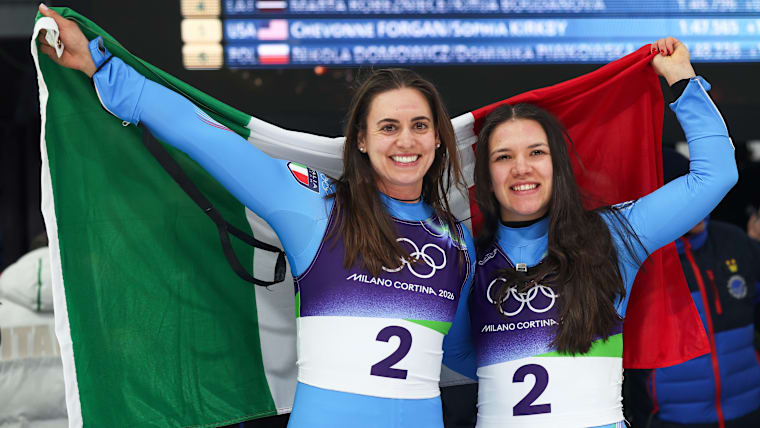
Luge originated as a sport in Switzerland, with roots dating to the 16th century. Although it is one of the oldest winter sports, it only made its Olympic debut in 1964 at the Innsbruck Olympic Winter Games with a men's event, a women's event, and a doubles event. The team relay was introduced at Sochi 2014. Women’s doubles will make its Olympic debut at Milano Cortina 2026. Since 1976, this sport has been held on the same track as the one used for bobsled races.
Basic rules
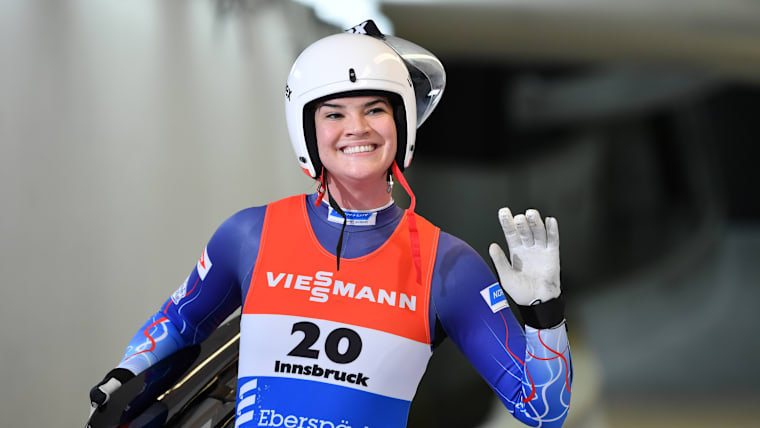
Women's and men's singles – Athletes compete on the same track, with each luger making four runs over two days. These are timed to a thousandth of a second, and the times are added together. The athlete with the fastest total time is the winner. In women's singles, athletes start from a lower point than the men.
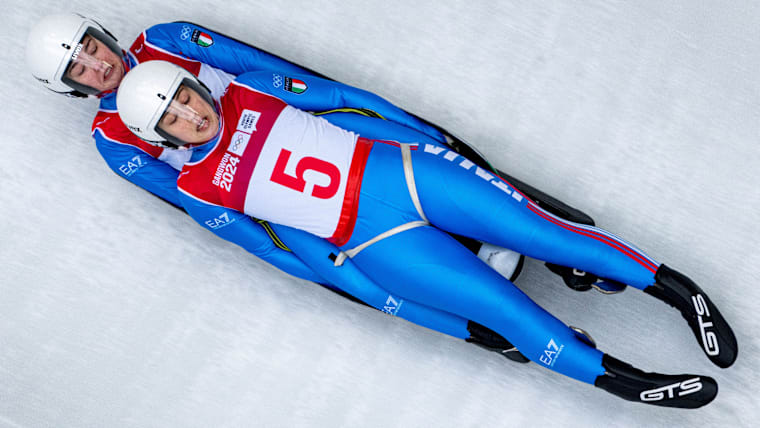
Men's and women's doubles – The doubles race takes place on a single day, with each pair completing two runs. Again, the pair with the fastest cumulative time wins gold.
Team relay – This event was introduced at the Olympic Games at Sochi 2014. The team relay involves four events: women's singles, men's singles, women’s doubles, and men’s doubles. The women's luger goes first, with the athlete hitting a hanging touchpad at the bottom of the track. Once the touchpad is hit, the gate for the next sledge (men's single) opens. The doubles teams are the last to compete. After all four crews have crossed the finish line, the team with the fastest cumulative time wins.
Fun facts about Italian champions

Georg Hackl
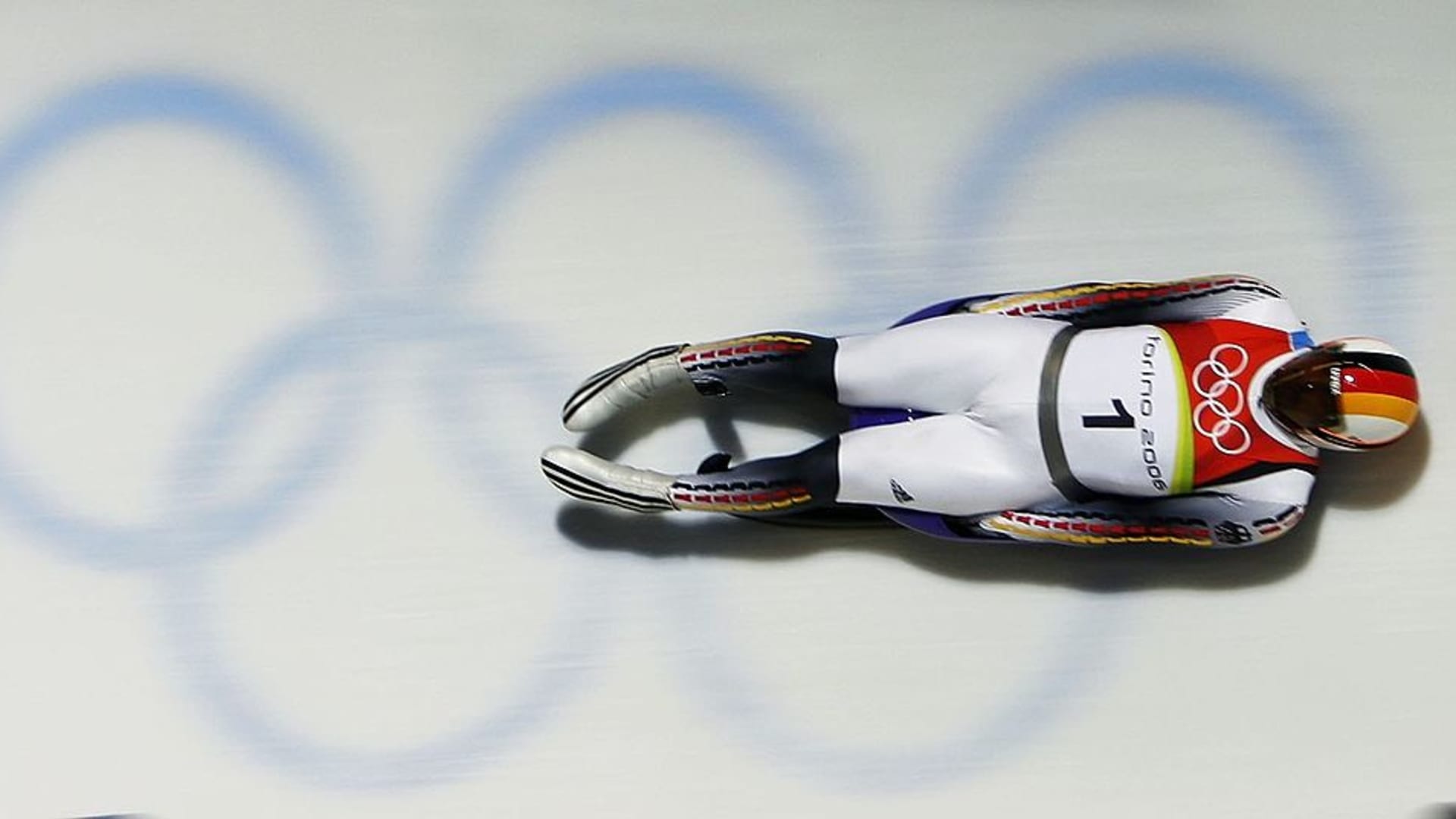
Between 1964 and 1988, the discipline was dominated by East Germany, which won 15 of the 21 possible gold medals. One of the undisputed luge masters is Germany’s Georg Hackl, who won gold three times in a row: at Albertville 1992, Lillehammer 1994 and Nagano 1998.


Cortina d’Ampezzo
Cortina d’Ampezzo is famed for its beauty, timeless charm, and sporting legacy.

Frequently asked questions
For Milano Cortina 2026, two events have been added: men's doubles and women's doubles.
Luge is the fastest Winter Olympic sport and athletes can exceed speeds of 150km/hr.
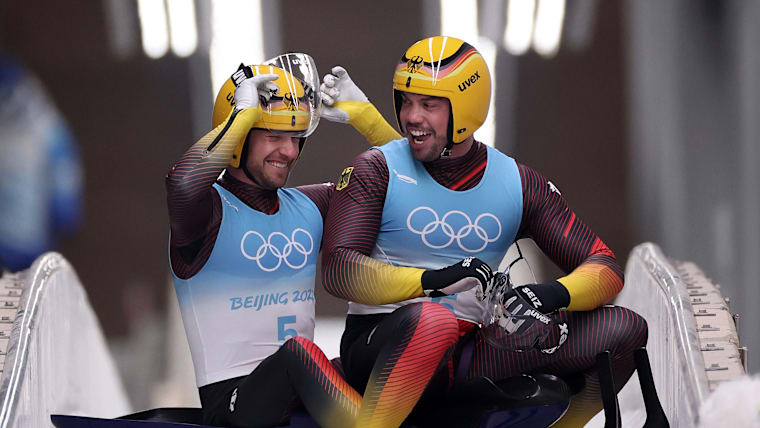
The men with the most gold medals are the Germans Tobias Arlt and Tobias Wendl, with five each.
German athlete Natalie Geisenberger is the most medalled woman, with six golds and one silver.
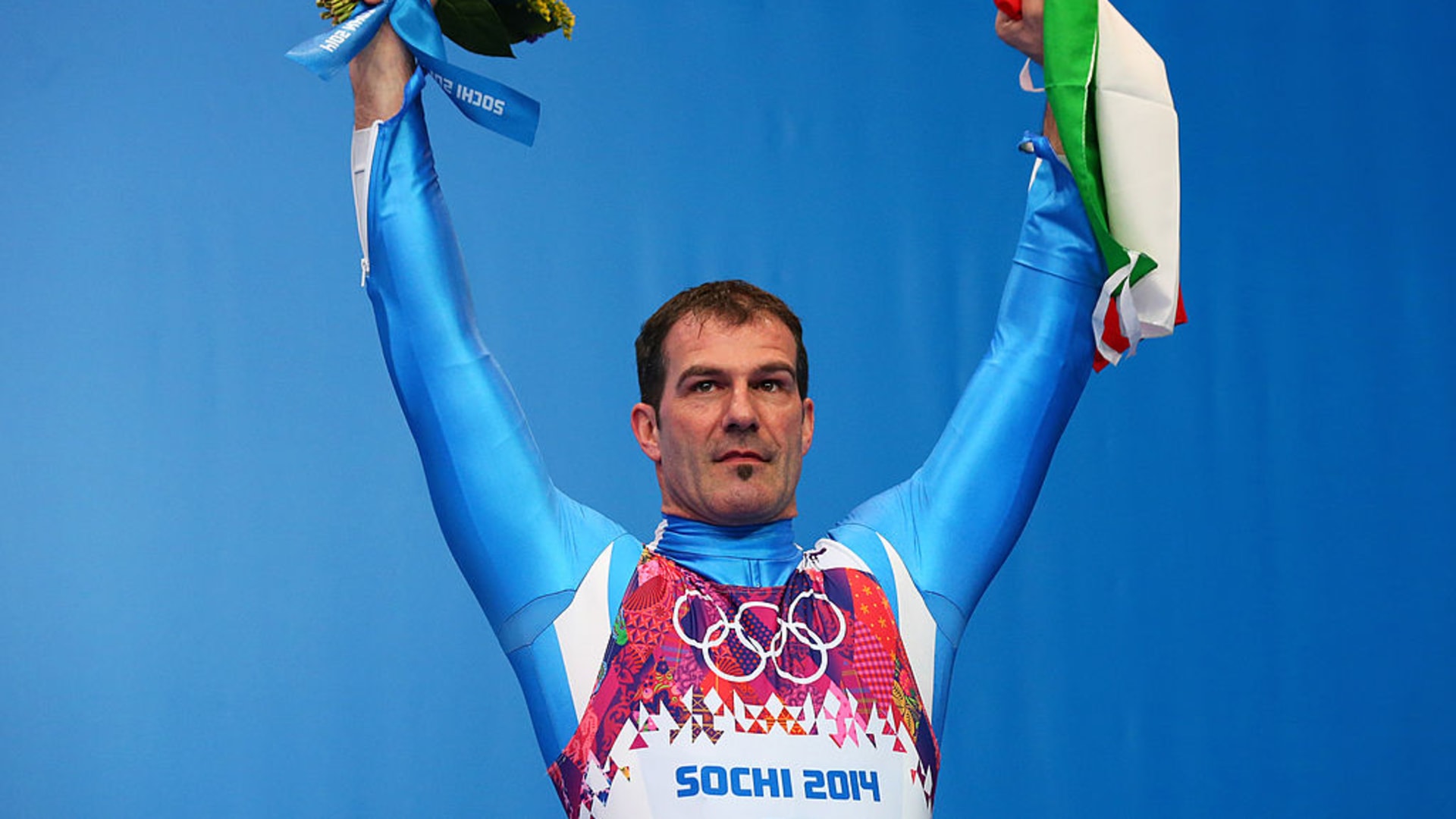
Italy’s Armin Zöggeler has the most medals in a single individual event at the Winter Olympics. A legend of international men's luge, he is nicknamed ‘The Cannibal’. Armin is also the first athlete in Olympic history (both Summer and Winter Games) to win an individual medal in the same discipline in six consecutive editions of the Games.
Germany leads with 87 medals (38 gold, 26 silver and 23 bronze), followed by Italy with 18 (7 gold, 4 silver and 7 bronze) and Austria with 25 (6 gold, 10 silver and 9 bronze).


