

Bobsleigh
 International Bobsleigh & Skeleton Federation
About bobsleigh
Bobsleigh was invented by the Swiss in the late 1860s. A sport in which athletes must have nerves of steel, pilots must navigate high-tech sleds down a narrow, winding track carved into the ice in a race against time. The oldest bobsleigh club in Italy can be found in Cortina d'Ampezzo. As we look forward to Milano Cortina 2026, here is everything you need to know about the bobsleigh competition.
Spotlight: Stories

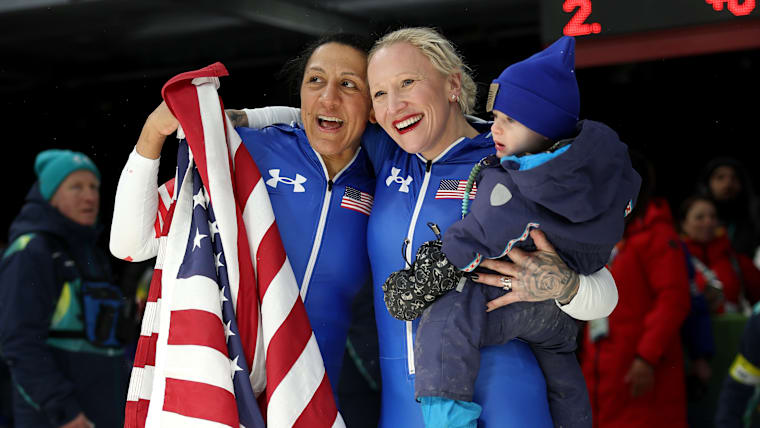
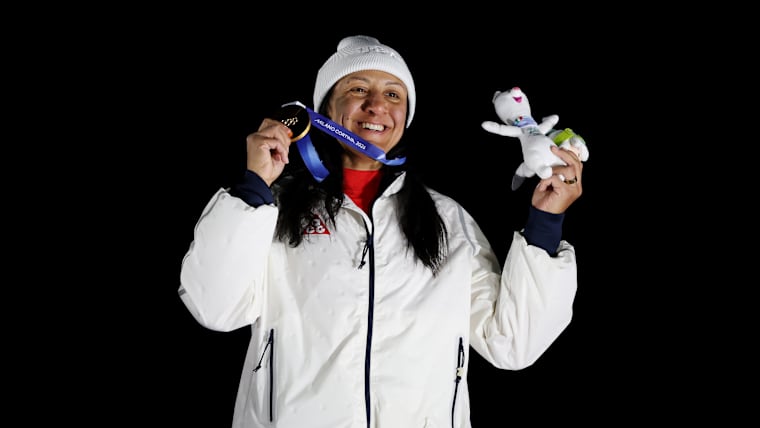
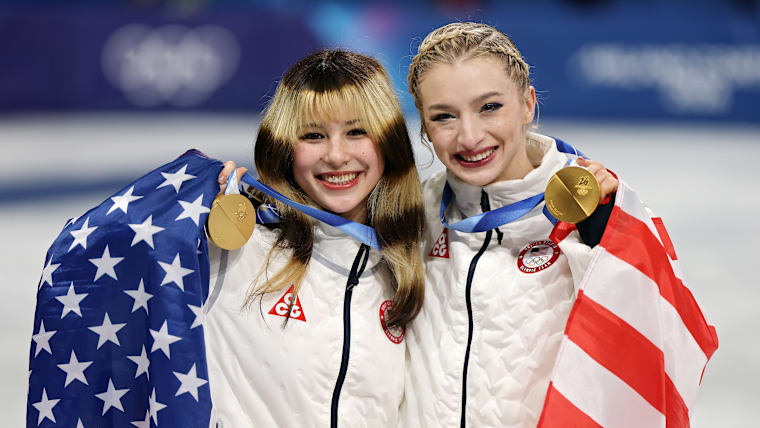
Team USA bobsleigh trio on motherhood and medals: “Being a mum gives us a superpower”
Elana Meyers Taylor and Kaillie Humphries: Olympic bobsleigh champions, mothers and inspirational women

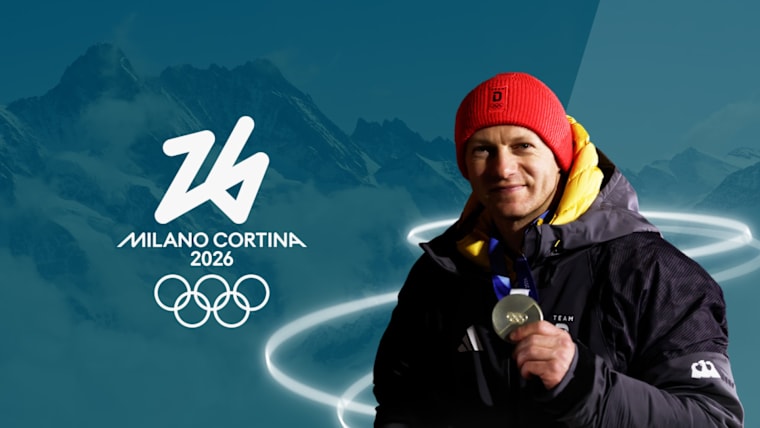
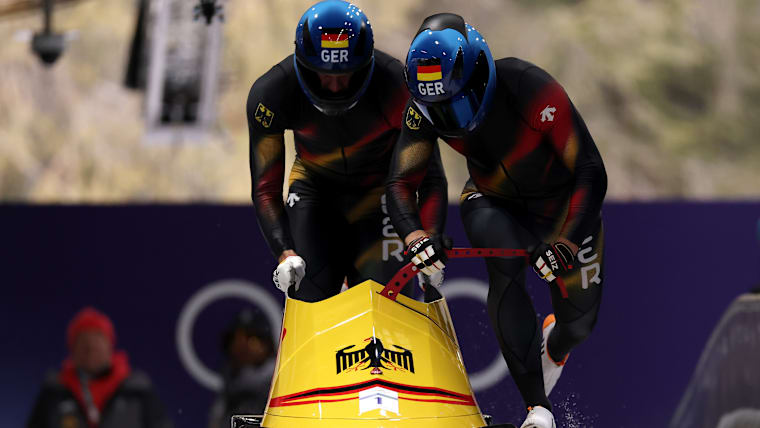
Francesco Friedrich (GER) | Athlete Highlights | Olympic Winter Games Milano Cortina 2026

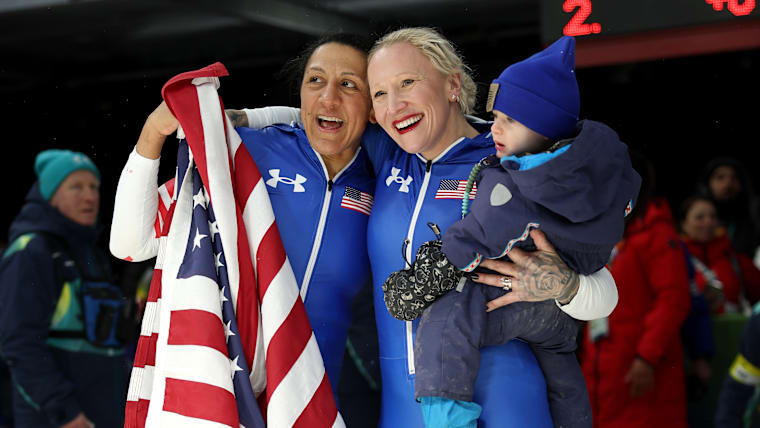
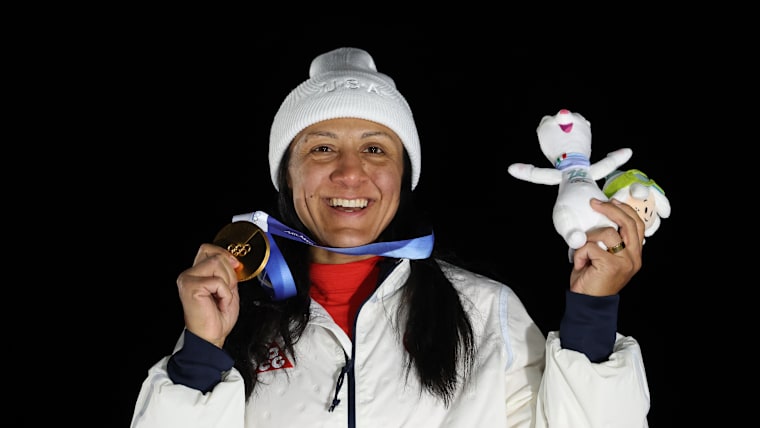
How motherhood drove Elana Meyers Taylor to Olympic monobob gold

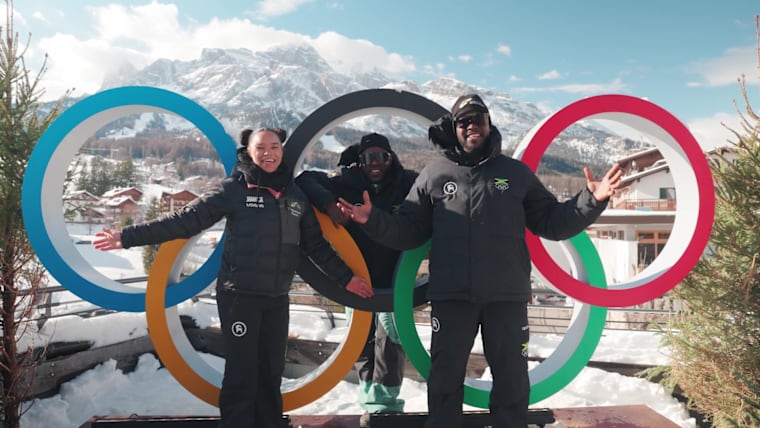
The Jamaican bobsleigh team share their Milano Cortina 2026 experience


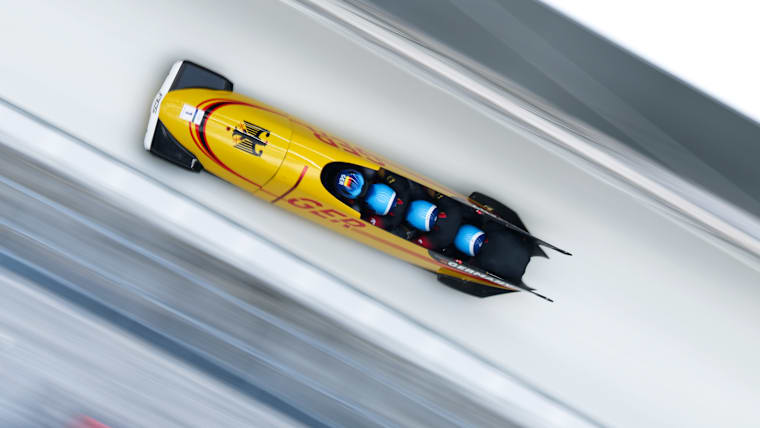

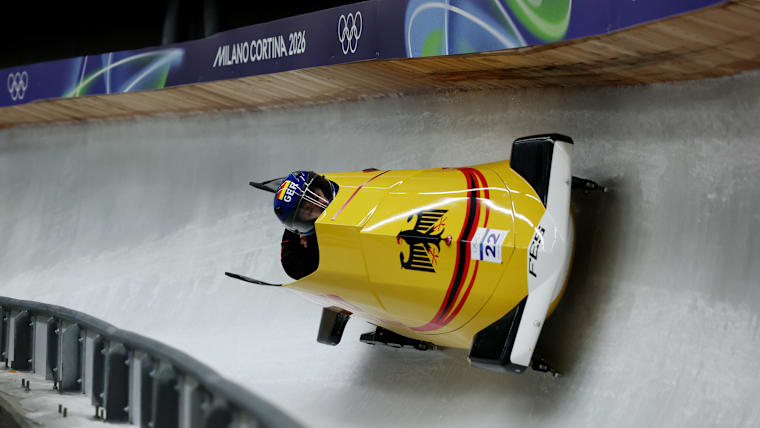
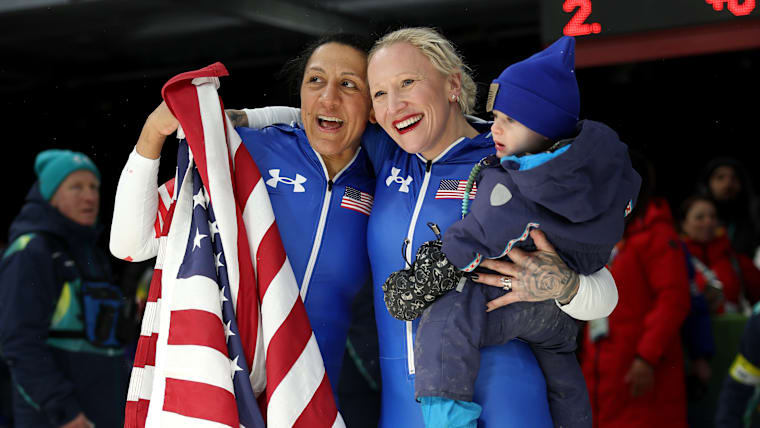
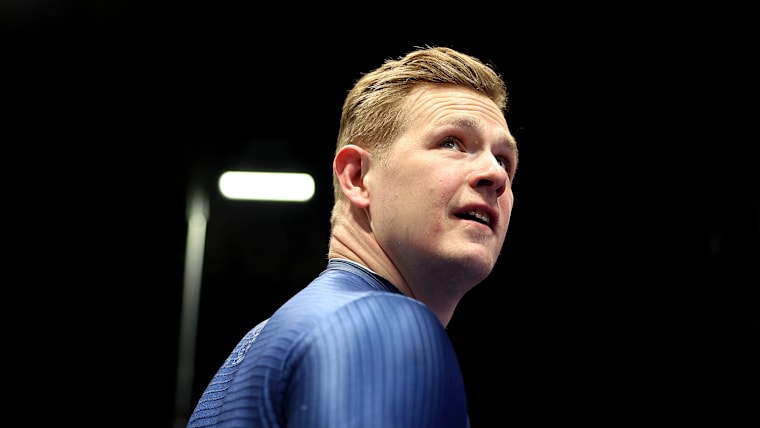
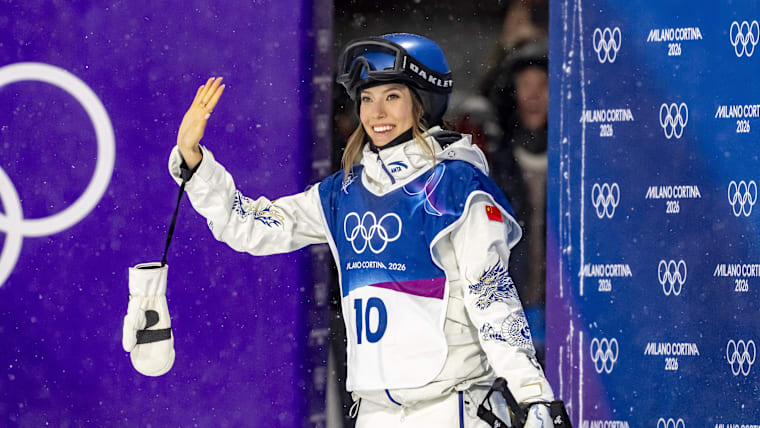
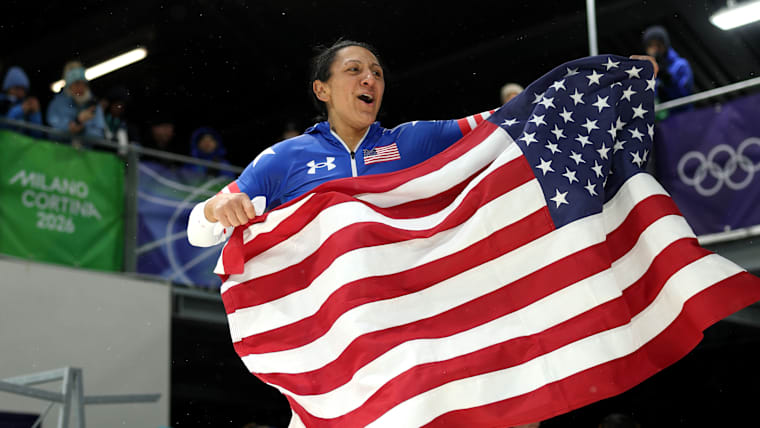
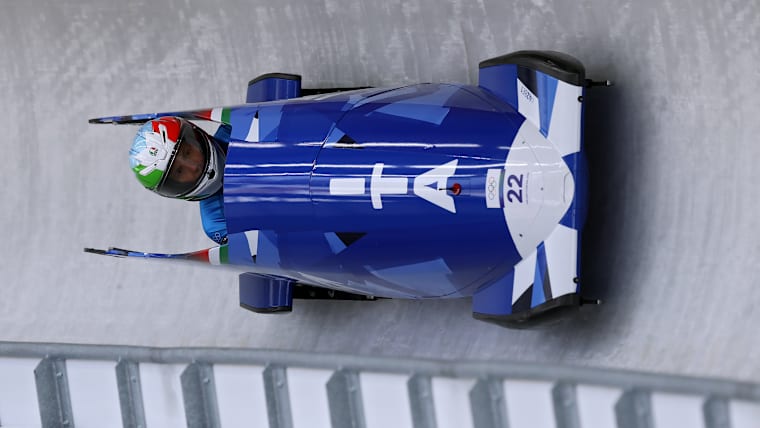
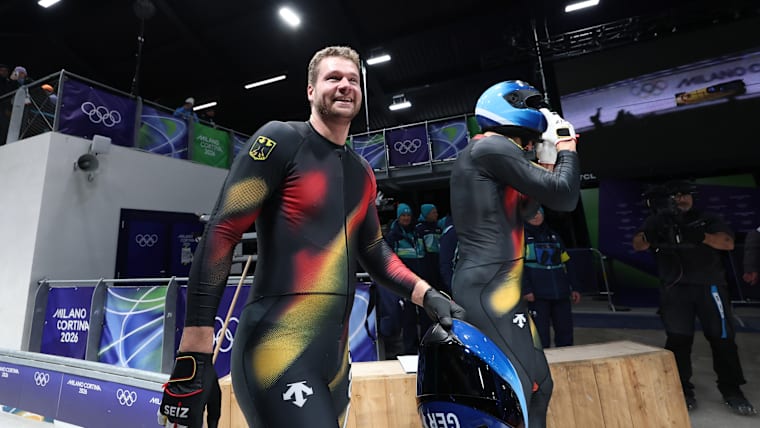
Olympic Moments
Check out the schedule and results
Find out when your favorite event started and your favorite athletes competed

Competition events
The bobsleigh has two or four seats, with four runners arranged in pairs. The front pair is adjustable to steer the vehicle, which is controlled by a pilot that pulls on two rings, while the back pair is fixed. There is a brake on the back with metal teeth that bite into the ice and is used to stop the sled after the finish line. At Milano Cortina 2026 there will be four bobsleigh events:
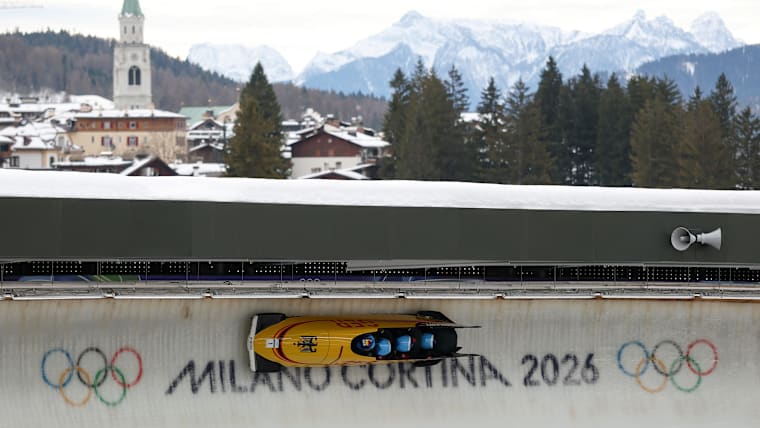
In 2026, the events will be held in Cortina d’Ampezzo, at the Cortina Sliding Centre.
Watch the Sport Explainer
Bobsleigh | Sport Explainers | Olympic Winter Games Milano Cortina 2026
Step into each and every sport with confidence at the Olympic Winter Games Milano Cortina 2026.
Origins
Bobsleigh began with its invention in the late 19th century when the Swiss invented a sledge made of two skeletons welded together and equipped it with a steering mechanism. A frame was added to increase protection. The first bobsleigh club in the world was founded in St. Moritz, Switzerland, in 1897. In 1948, Federico Terschak, Sisto Gillarduzzi, Guido Gillarduzzi, Uberto Gillarduzzi, Amedeo Angeli, and Francesco de Zanna founded Bob Club Cortina. It is the oldest active bobsleigh club in Italy. In early competitions, wooden sledges were used, but these were soon replaced by steel variants. The term "bobsleigh" comes from the movement with which the crews pushed the sledge back and forth to increase speed at the start of the run. Today, the best teams in the world train all year and compete mainly on artificial ice tracks using high-tech fibreglass and steel bobsleighs.
Olympic history
4-man bobsleigh was included in the competition programme for the first Olympic Winter Games held in Chamonix, France in 1924. The 2-man event was added at the Lake Placid 1932 Olympic Winter Games in a format that has remained unchanged to this day. The first Olympic 2-woman race was held at the 2002 Olympic Winter Games in Salt Lake City. The inaugural Olympic monobob competition was held at the 2022 Games in Beijing.
Basic rules
The monobob event consists of a single female athlete, while 2-man and 2-woman bobsleigh races involve a driver (or pilot) and a brakeman. In 4-man bobsleigh there are an additional two athletes who help push the sledge at the start. The crew pushes the sledge for roughly 50 metres before jumping in, reaching speeds in excess of 40 km/h in less than six seconds.
A bobsleigh race is held over four heats, with each team or competitor logging one run per heat. The sledge with the fastest total time from all four heats, measured to a hundredth of a second, is the winner.
If two teams finish with the same time, they are ranked in the same place.
There is an advantage to being one of the first sledges to go down the slope while the ice is still smooth and not rough and scratched.
The starting order for the first heat of a race is determined in the following manner:
To determine which teams have the best starting position, the world ranking is used for the first run, with the first 10 teams choosing the starting order from 1 to 10, while the 11th and up follow the world rankings. In the second run, teams start in reverse order based on the results from the first heat (i,e, the 20th-ranked pilot will start first, and so on).
In the men’s events, which have more than 20 pilots, those who finished 21st or worse in the first heat will start in that same position in the second heat (21st-ranked starts 21st, etc.).
In the third run, the starting order follows the ranking after two runs. Teams ranked 21st or lower after the third heat are ineligible to advance to the fourth and final run. The fourth heat sees each sledge start in reverse order of their combined rankings from the first three heats.
Fun facts about Italian champions

Gerda Weissensteiner
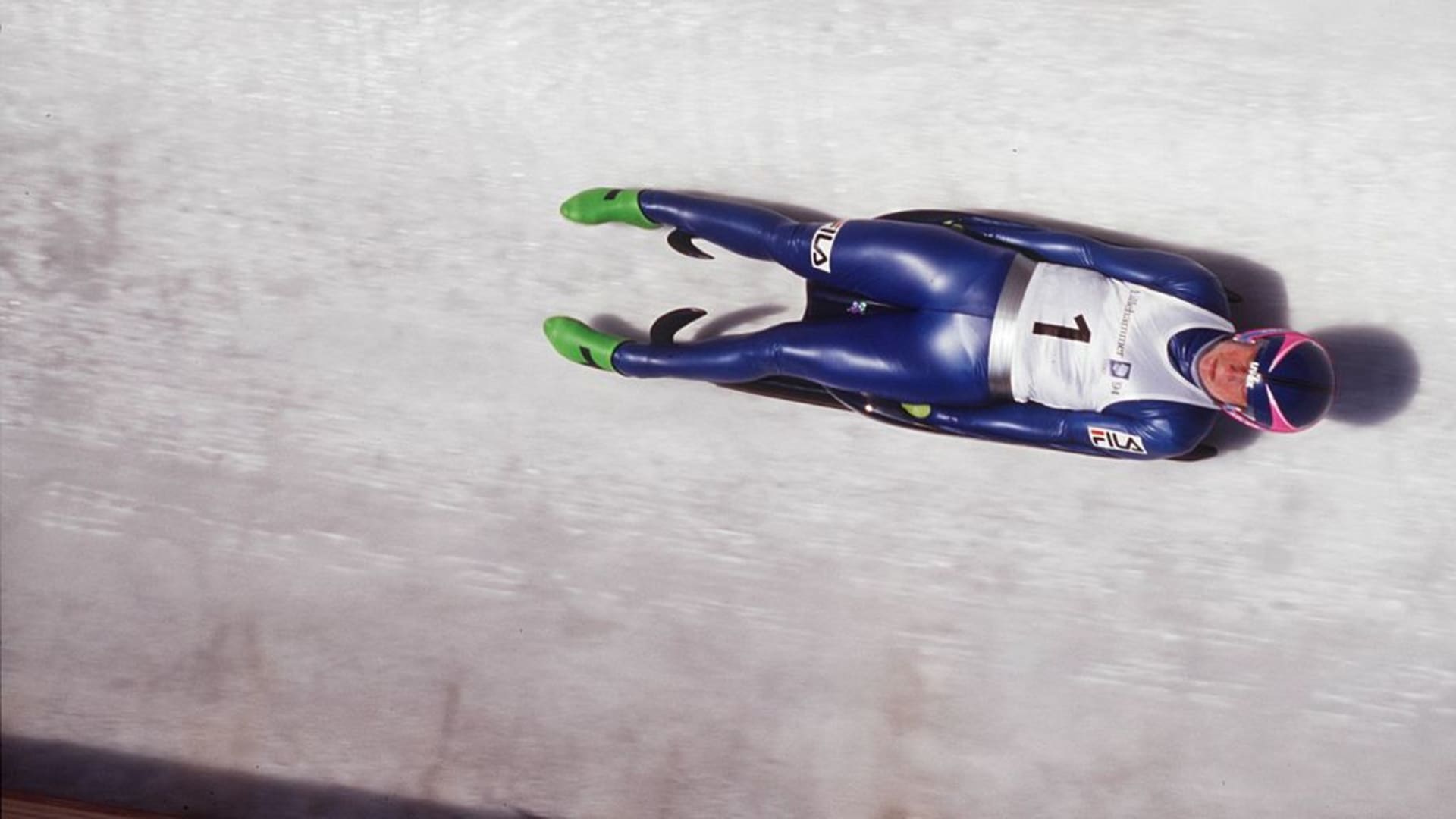
Gerda Weissensteiner from Bolzano was the first and only Italian athlete to win Olympic medals in two different sports, a gold in luge at the Olympic Winter Games Lillehammer 1994 and a bronze in bobsleigh at Torino 2006. She also holds the Italian record for the most appearances at the Winter Olympics, with six, along with Wilfried Huber and Armin Zöggeler in the bobsleigh.

Cortina d’Ampezzo
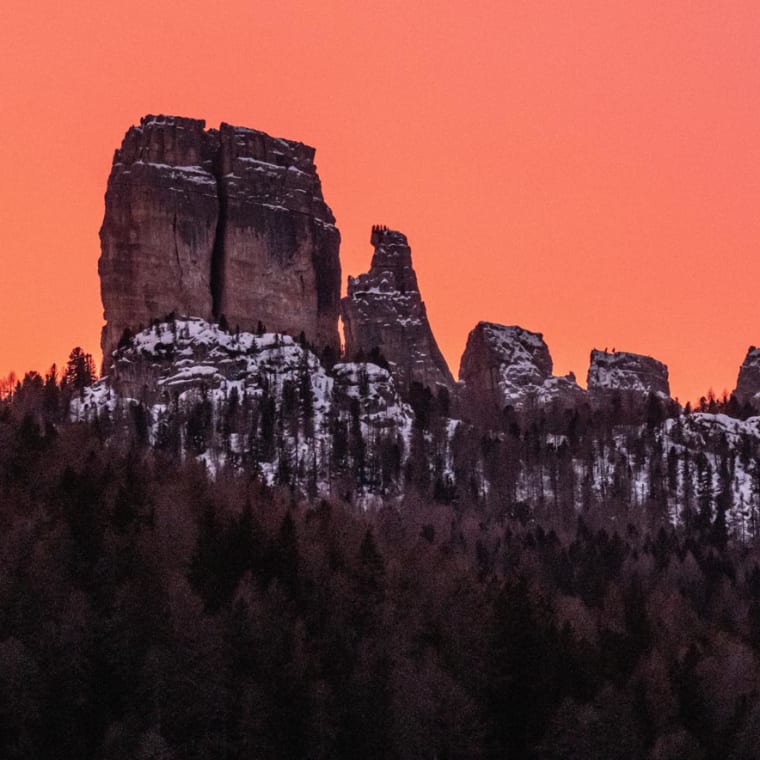
Cortina d’Ampezzo is famed for its beauty, timeless charm, and sporting legacy.
Frequently asked questions
For men, German athlete Kevin Kuske has the most gold medals in the history of bobsleigh at the Games; four gold and two silver medals.
Kaillie Humphries reigns among female athletes, with two gold medals and one bronze medal.
The top three countries in the medal count are Germany with 30 medals (14 gold, 9 silver and 7 bronze), Switzerland with 31 medals (9 gold, 11 silver and 11 bronze), and the United States with 28 medals (8 gold, 9 silver and 11 bronze).
Lamberto Dalla Costa and Giacomo Conti in the 2-man bobsleigh event at Cortina d'Ampezzo 1956.
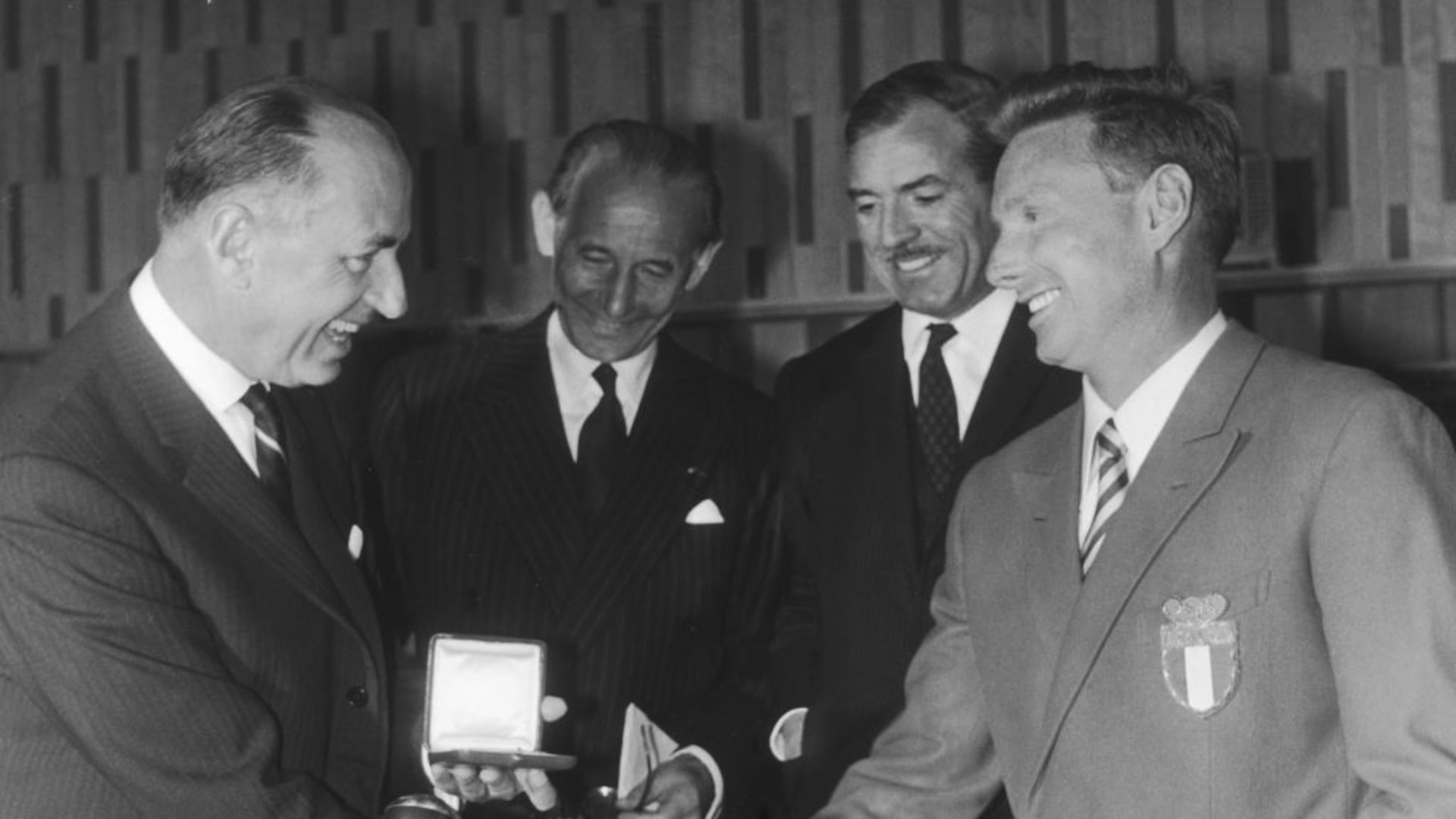
Eugenio Monti and Luciano De Paolis in the 2-man and 4-man bobsleigh events at Grenoble 1968.
Günther Huber and Antonio Tartaglia in the 2-man bobsleigh event at Nagano 1998.
At Milano Cortina 2026, the bobsleigh events will be held in Cortina d’Ampezzo, at the Cortina Sliding Centre.


