

Alpine skiing
 International Ski and Snowboard Federation
About Alpine skiing
Alpine skiing is a beloved winter sport followed by many. It has been part of the Olympic Games since 1936. As we look forward to Milano Cortina 2026, here is everything you need to know about the sport.
Spotlight: Stories

Odermatt clinches downhill and overall World Cup crowns in Courchevel


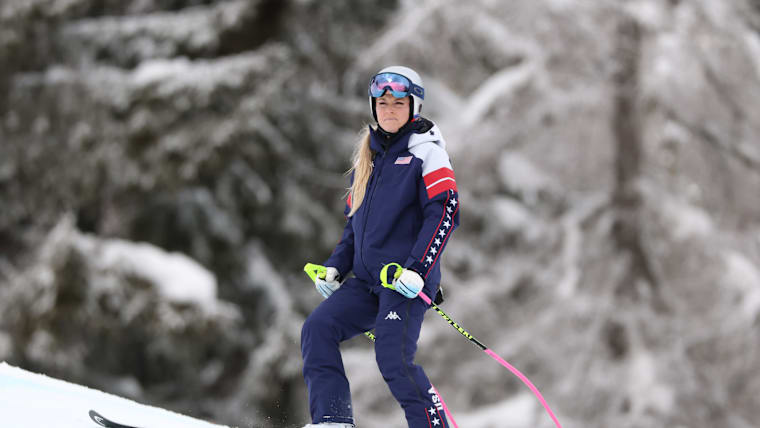
Lindsey Vonn taking it "one day at a time" as she returns to gym training

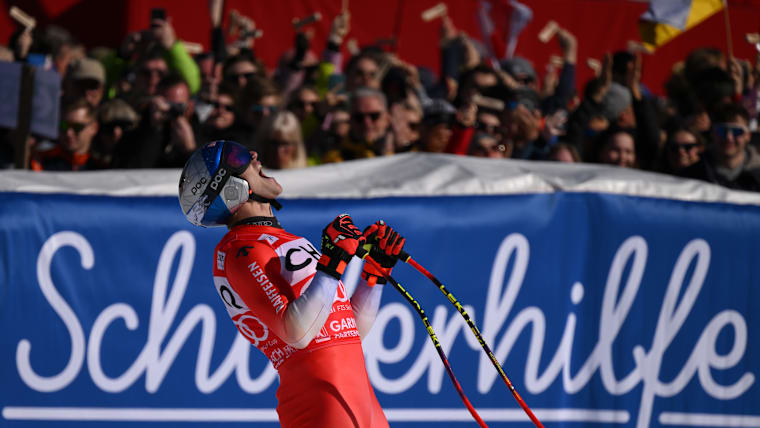
Marco Odermatt wins fourth downhill of the season in Garmisch-Partenkirchen

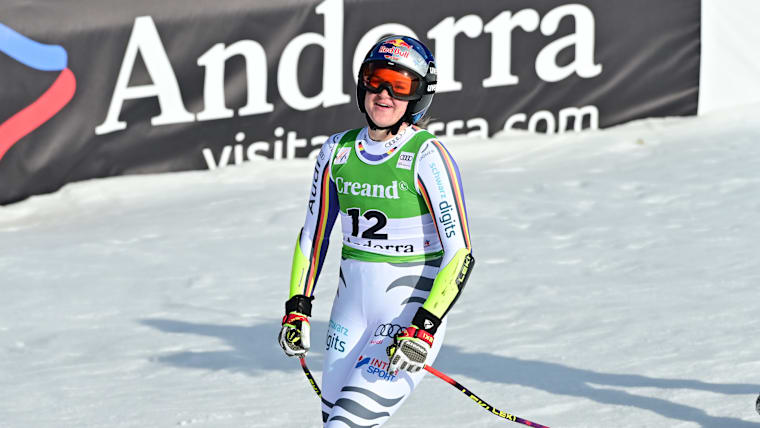
Emma Aicher extends Olympic momentum with dominant Super‑G win in Soldeu

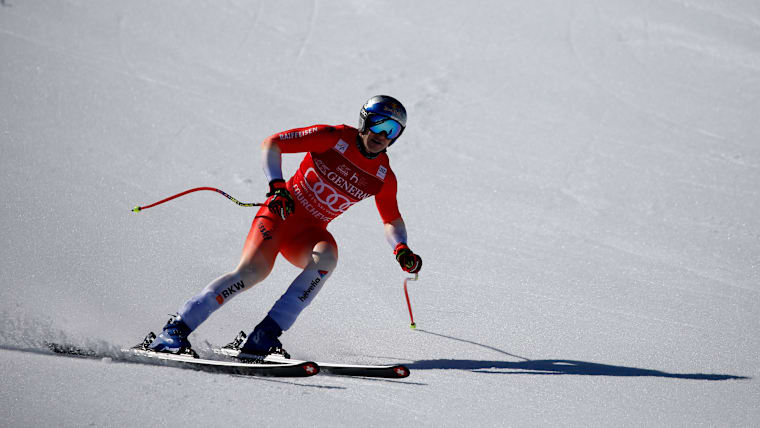
Corinne Suter claims Soldeu downhill for first World Cup win in over three years

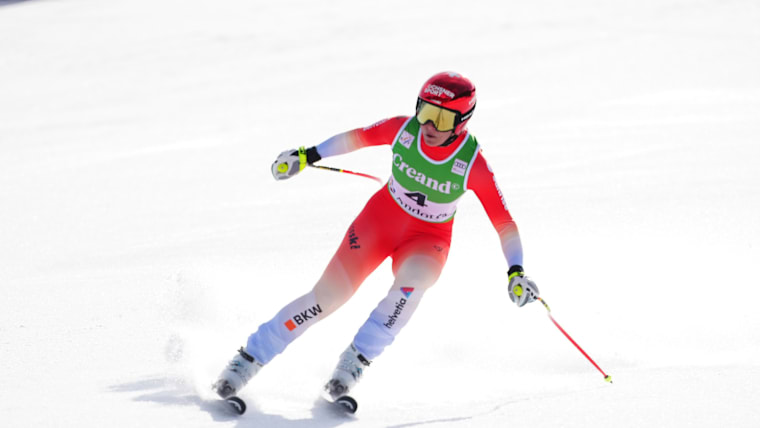
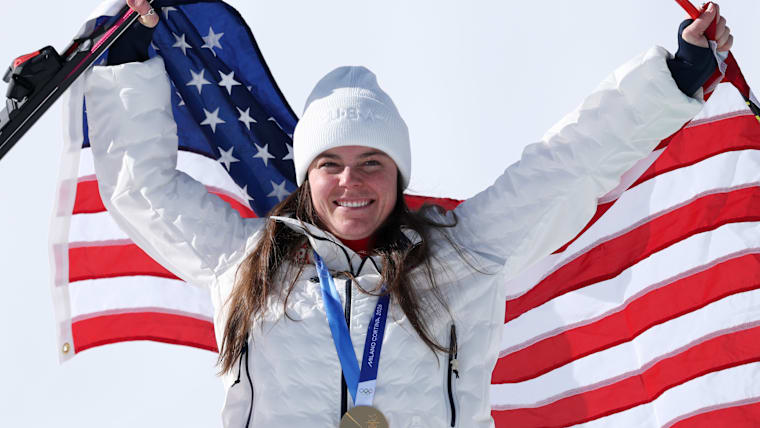
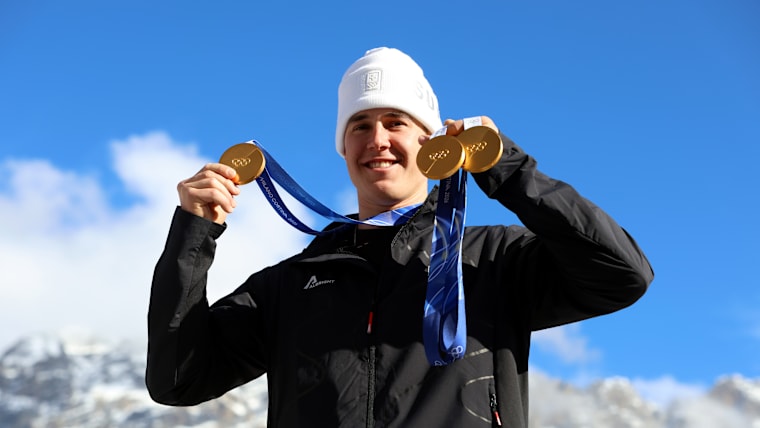
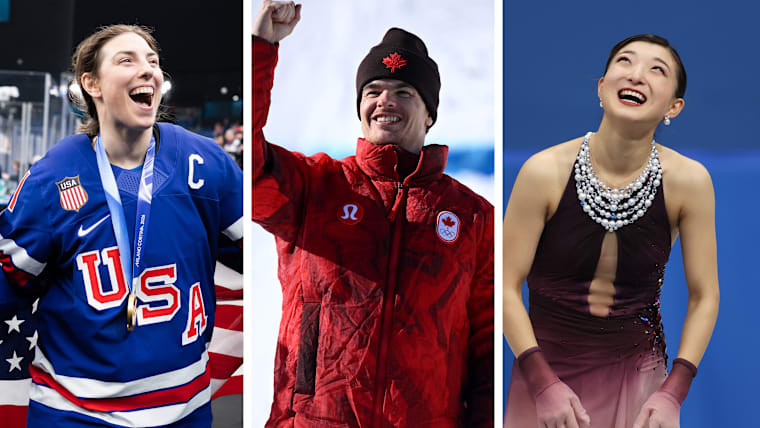
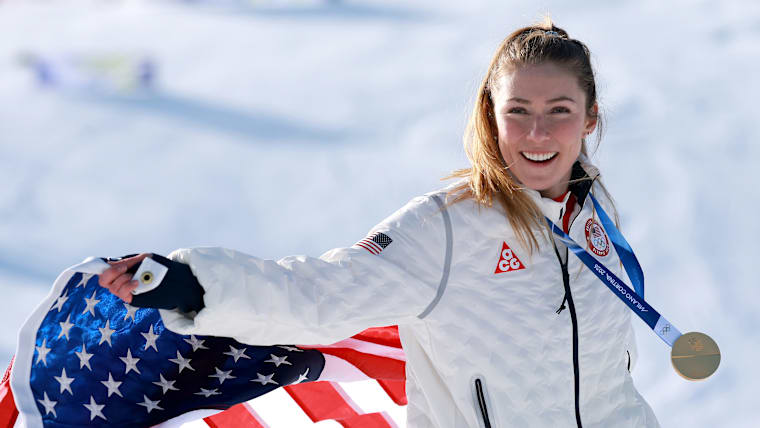
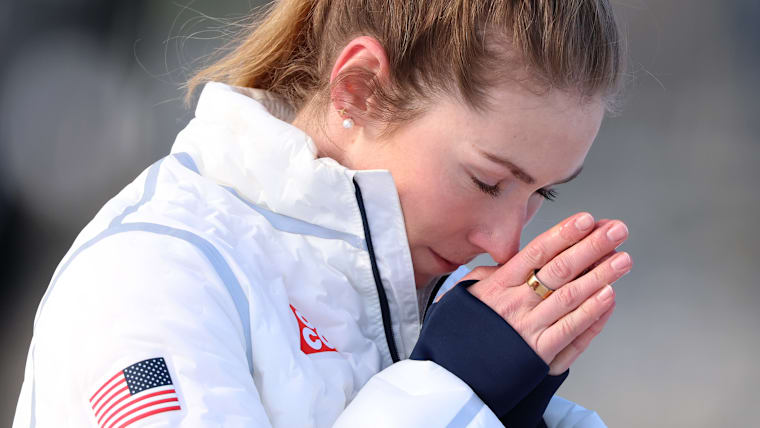
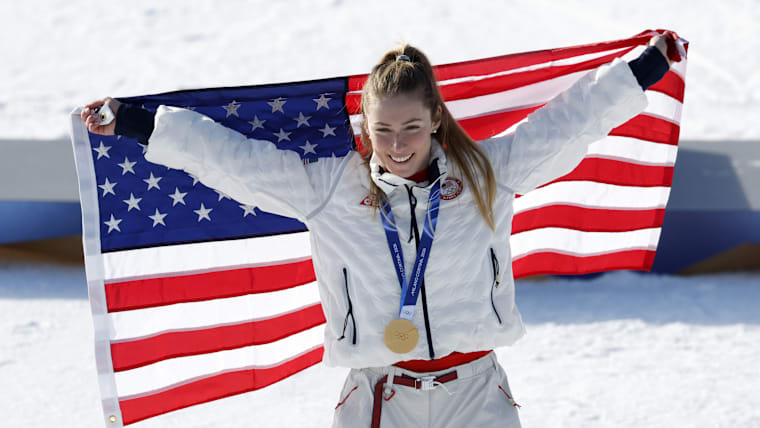

Olympic Moments
Check out the schedule and results
Find out when your favorite event started and your favorite athletes competed

Competition events
The Alpine skiing competitions at Milano Cortina 2026 will consist of 10 events:
- Women's Downhill
- Women's Slalom
- Women's Giant Slalom
- Women's Super-G
- Women's Team Combined
- Men's Downhill
- Men's Slalom
- Men's Giant Slalom
- Men's Super-G
- Men's Team Combined
In 2026, the women's races will be held in Cortina d'Ampezzo, on the Tofane Alpine Skiing Centre, and the men's races in Bormio, at the Stelvio Ski Centre.
Watch the Sport Explainer
Alpine Skiing | Sport Explainers | Olympic Winter Games Milano Cortina 2026
Step into each and every sport with confidence at the Olympic Winter Games Milano Cortina 2026.
Olympic history
The sport of Alpine skiing was created in the late 19th century when Norwegian legend Sondre Norheim made skis popular. The sport made its Olympic debut at the Olympic Winter Games Garmisch-Partenkirchen 1936 with the combined (downhill + slalom) event for both men and women. In 1948, downhill and slalom races were added as separate events. The giant slalom was introduced at Oslo 1952 and the super-G at Calgary 1988.
Basic rules
At Milano Cortina 2026, the Alpine skiing events will include speed events like downhill and super-G, technical events like slalom and giant slalom, and a mixed event, the Alpine combined (a mix of speed and technique).
Speed events
Downhill, like super-G, has long courses that take more than a minute and a half to complete, with large distances between the gates. This leads to the fastest speeds in Alpine skiing. Athletes can practise and test the track and ideal paths in timed training sessions before the race.
Super-G, also known as super-giant slalom, is the second fastest event in Alpine skiing and one of the most recent. It was introduced by the International Ski Federation (FIS) in 1982. The race follows a course lined with pairs of gates. Skiers are disqualified if they miss even a single gate during the descent. Compared to the other two slalom disciplines, super-giant slalom has much wider turns and is therefore skied at higher speeds. In fact, it is raced on the same slopes used for the downhill event.
The downhill and super-G races are held in one round. In both races, the winner is determined by the fastest time.
Technical events
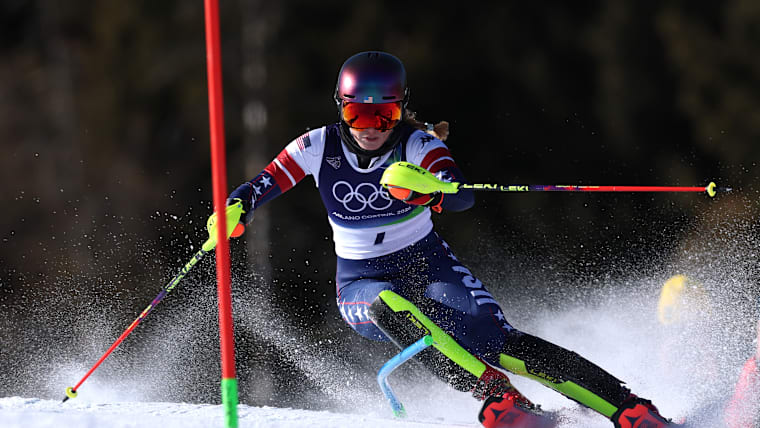
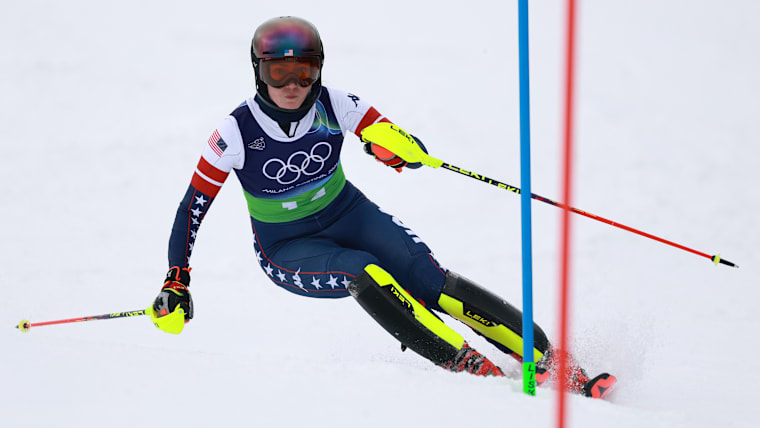
Special slalom (or just slalom) is the shortest Alpine ski race, with athletes typically finishing in a time of 50-60 seconds and the most number of turns. Skiers have to ski down a course, weaving through a series of poles set up in quick succession until they reach the finish line. In slalom, skiers have to touch the poles as they pass through them, so they wear special protection on their hands, legs, and face. The slalom race consists of two runs on the same slope but on different courses. The winner is the skier with the shortest combined time from both runs. The starting order in the second run is the opposite of the qualifying run for the first 30 (the first to start is therefore the 30th in rank), while the 31st and up follow the ranking of the first run. The one with the shortest total time of the two runs is the winner.
Giant slalom is a race with an average distance of 20-30 metres between the curves, and takes about one to one and a half minutes to complete. The track has wider curves compared to the special slalom, and the gates are used to mark the course instead of poles. It doesn't require as many safety protections because the gates are hit less often. The race is split into two runs on the same slope but on different tracks, with all athletes who finish the first run participating in the second. The starting order in the second run is the opposite of the qualifying run for the first 30 (the first to start is therefore the 30th in rank), while the 31st and up follow the ranking of the first run. The skier with the shortest total time of the two runs is the winner.
Team combined
The Alpine combined event sees two athletes representing the same country race in one discipline each (downhill and slalom) The final ranking is determined by adding the times from both races.
Fun facts about Italian champions

Zeno Colò
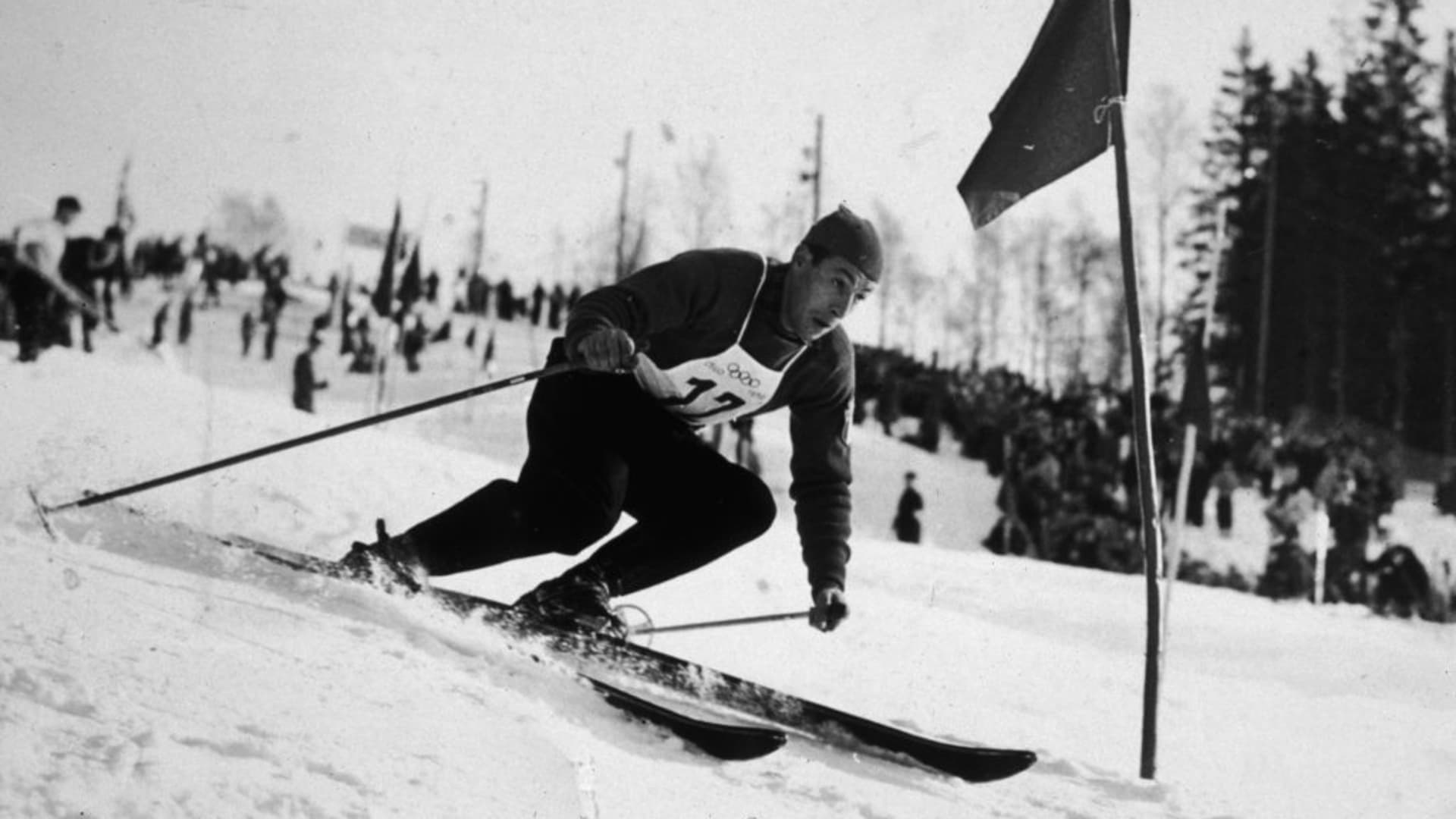
Zeno Colò was the first Italian to win an Olympic gold medal in Alpine skiing at the Olympic Winter Games Oslo 1952. He was nicknamed the "Oslo Hawk" for this achievement and left an indelible mark on Italian sports history.


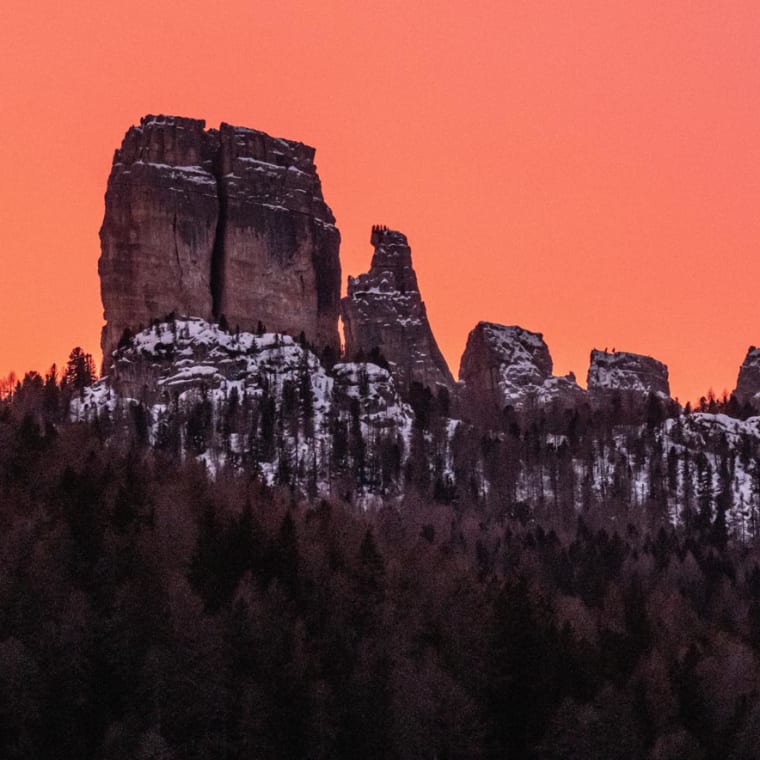
Cortina d’Ampezzo
Cortina d’Ampezzo is famed for its beauty, timeless charm, and sporting legacy.
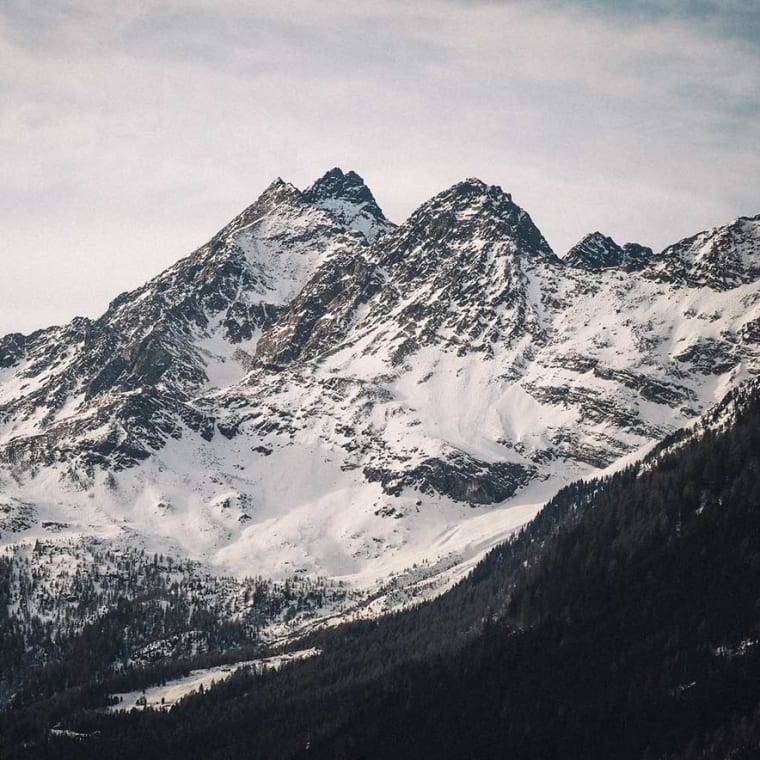
Bormio
Thanks to its thermal springs, forests, and snow-capped peaks, Bormio has earned the nickname of Magnifica Terra: the “Magnificent Land.”
Frequently asked questions
For the men, Norwegian Kjetil Andrè Aamodt is the most medalled skier ever at the Olympics, with eight medals, four of them gold.
For women, Croatian Janica Kostelić is the most medalled skier ever at the Olympics , with six medals, four of them gold.
In first place is Austria with 129 medals (41 gold, 43 silver and 45 bronze), followed by Switzerland with 75 (27 gold, 23 silver and 25 bronze) and the United States at 48 (17 gold, 21 silver and 10 bronze).
Zeno Colò at Oslo 1952 (downhill)
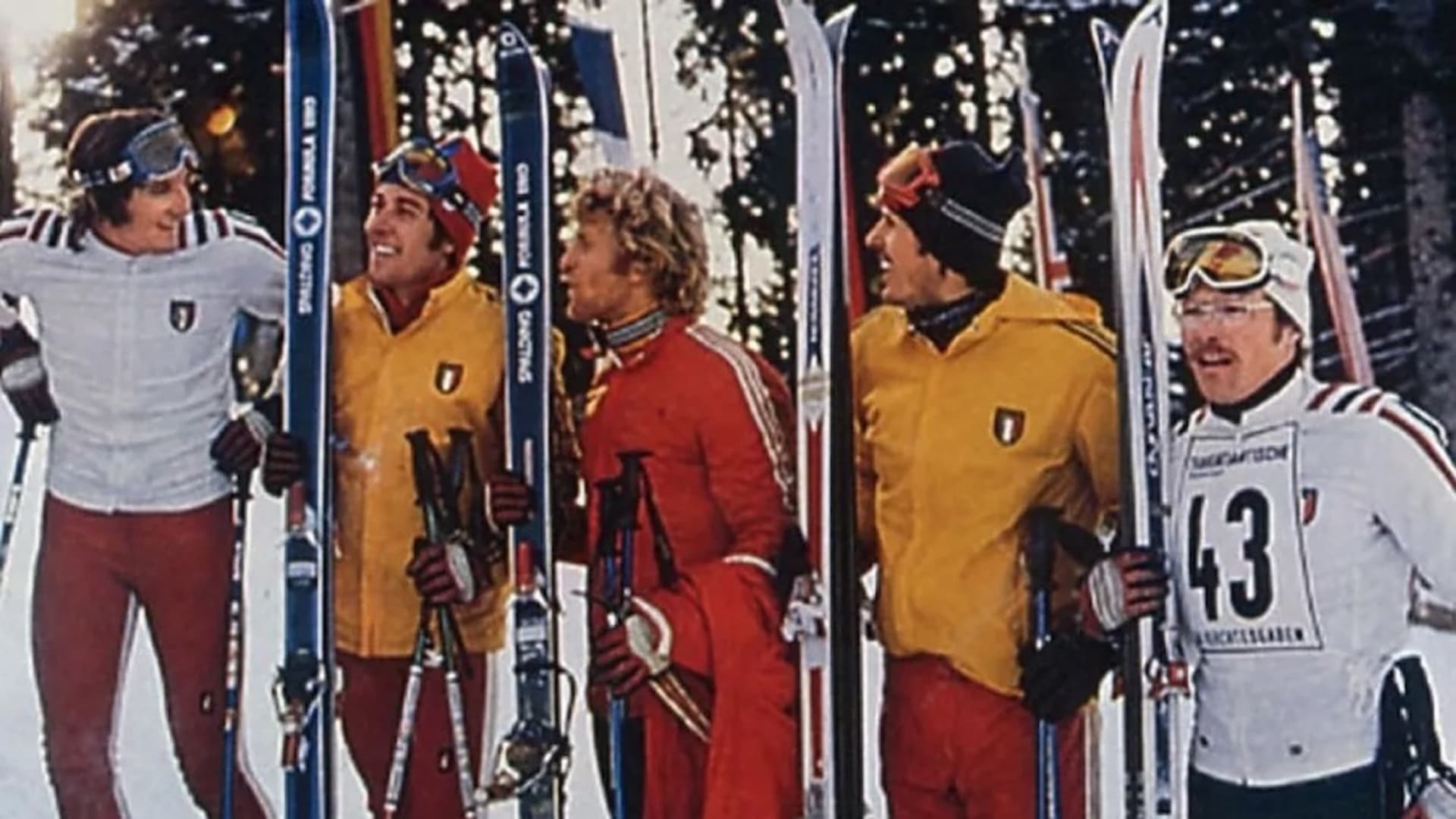
Gustav Thoeni at Sapporo 1972 (giant slalom)
Pierino Gros at Innsbruck 1976 (special slalom)
Paoletta Magoni at Sarajevo 1984 (special slalom)
Alberto Tomba at Calgary 1988 (giant slalom and special slalom)
Josef Polig, Deborah Compagnoni and Alberto Tomba at Albertville 1992 (combined, super-G and giant slalom)
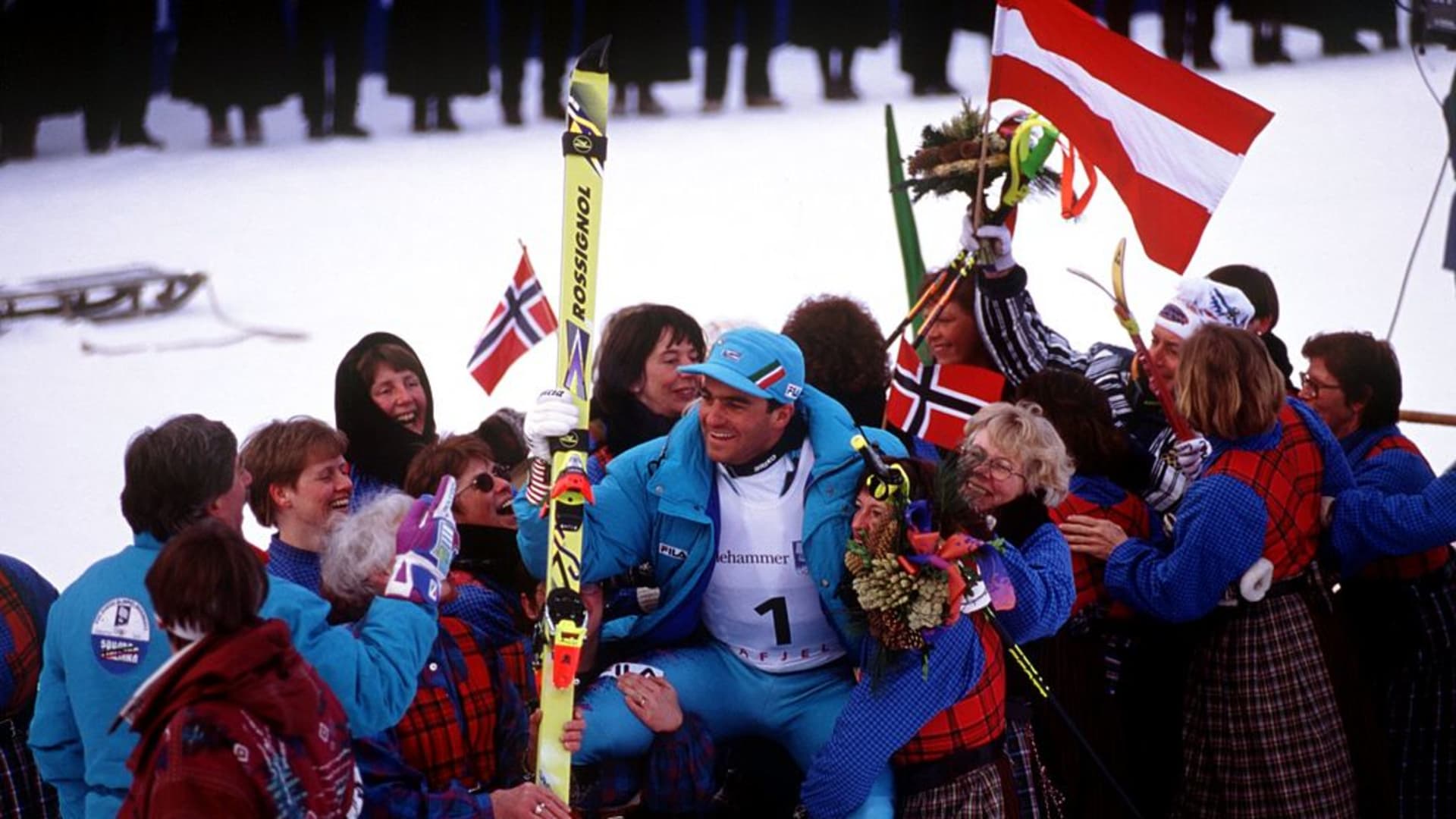
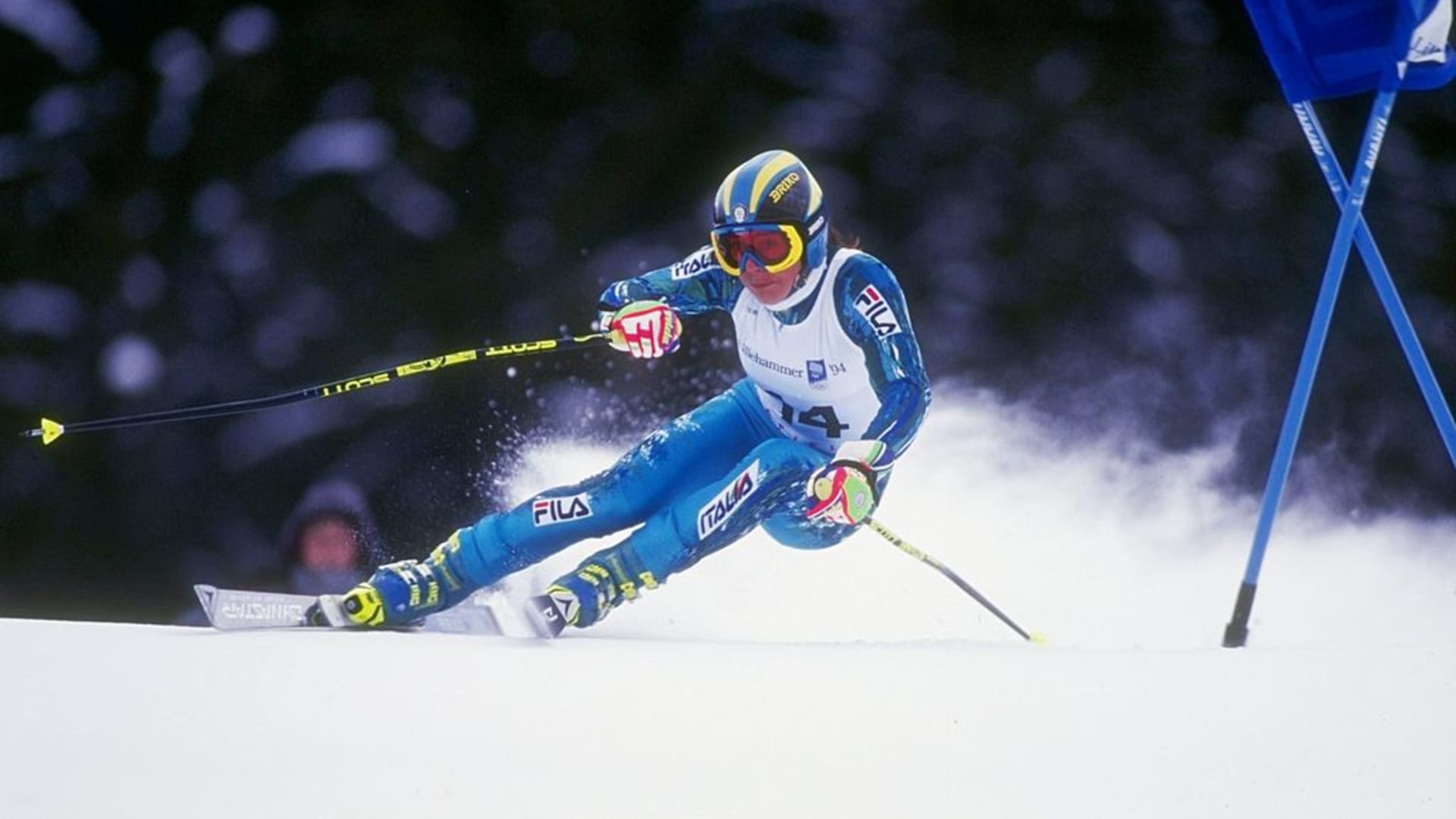
Deborah Compagnoni at Lillehammer 1994 (giant slalom)
Deborah Compagnoni at Nagano1998 (giant slalom)
Daniela Ceccarelli at Salt Lake City 2002 (super-G)
Giuliano Razzoli at Vancouver 2010 (special slalom)
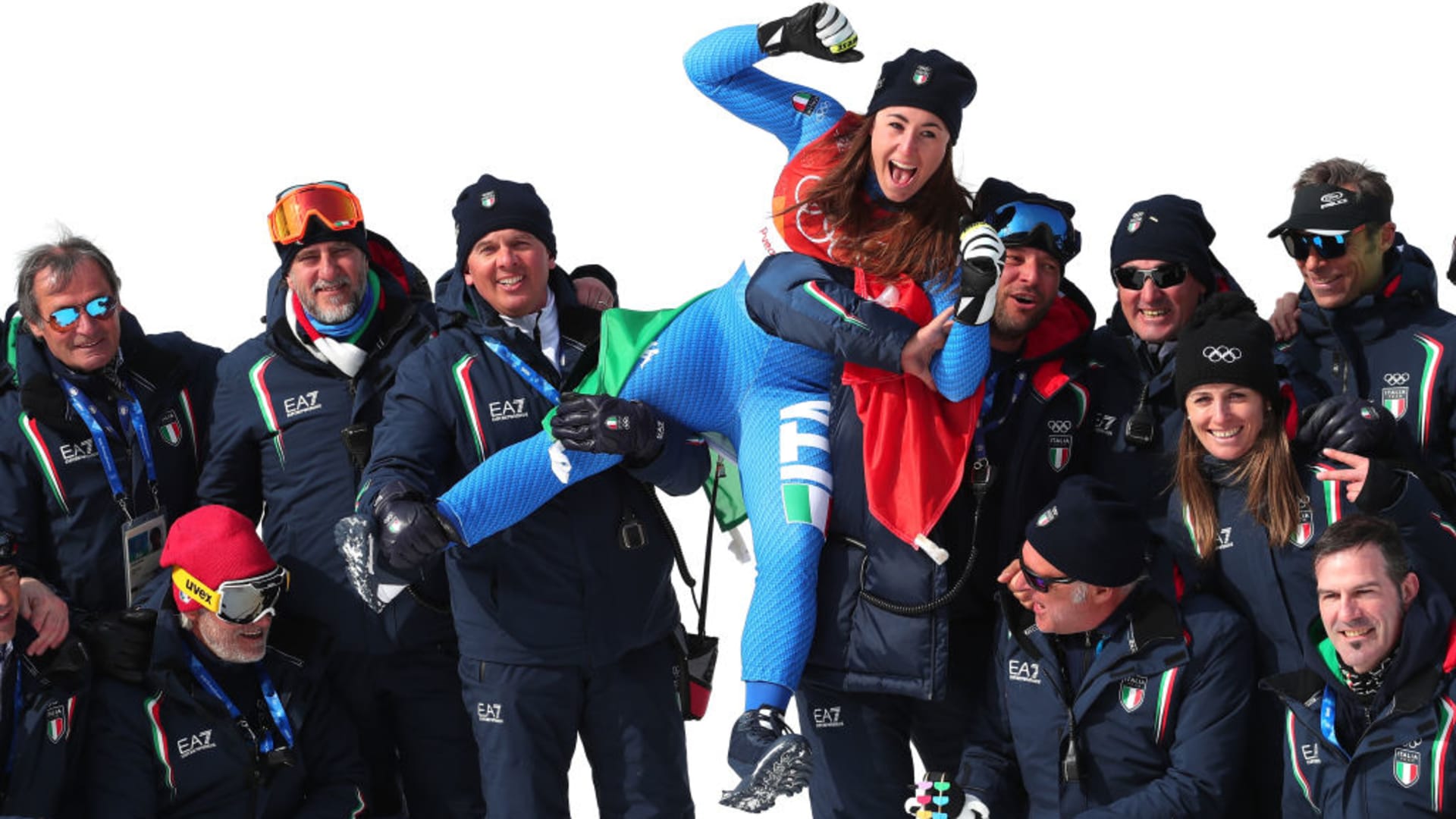
Sofia Goggia at Pyeongchang 2018 (downhill)
At Milano Cortina 2026, the women's Alpine ski races will be held in Cortina d'Ampezzo, at the Tofane Alpine Skiing Centre; the men's races will be held in Bormio, at the Stelvio Ski Centre.


