

Swathes of eastern China baked under a scorching heat wave on Saturday, with temperatures in some areas reaching record highs, weather authorities said.

China is enduring a summer of extreme weather, with unseasonable heat searing parts of the north and east while torrential rains have triggered floods and landslides in central and southern regions.
The country is the world’s largest emitter of the greenhouse gases that scientists say drive global warming and make extreme weather more frequent and intense.
The mercury rose to 41.9 degrees Celsius (107.4 degrees Fahrenheit) in the eastern city of Hangzhou at around 2:30 pm (0630 GMT) on Saturday, according to a report on the weather office’s online news portal.
The figure “broke the record for the (city’s) highest air temperature in the history of observation”, the report said. The previous record was 41.8C in August 2022.
Hangzhou, the capital of wealthy Zhejiang province, is home to 12.5 million people and known as a major technology hub.

Social media users remarked on the stifling heat, with one commenting: “I feel like I’m about to melt.”
“Who still thinks Hangzhou’s a desirable place to live?” quipped another on the popular Weibo platform.
All of the 10 hottest cities in China early Saturday afternoon were located in Zhejiang, with the city of Zhuji logging a daily high of 42.3C, the weather service said.
It added that high temperatures were forecast to persist in the region over the next week, with Hangzhou expected to “continually refresh” its heat record.
Weather warnings for extreme heat remained in place in many eastern cities on Saturday, with authorities urging members of the public to reduce outdoor activity and guard against heatstroke.
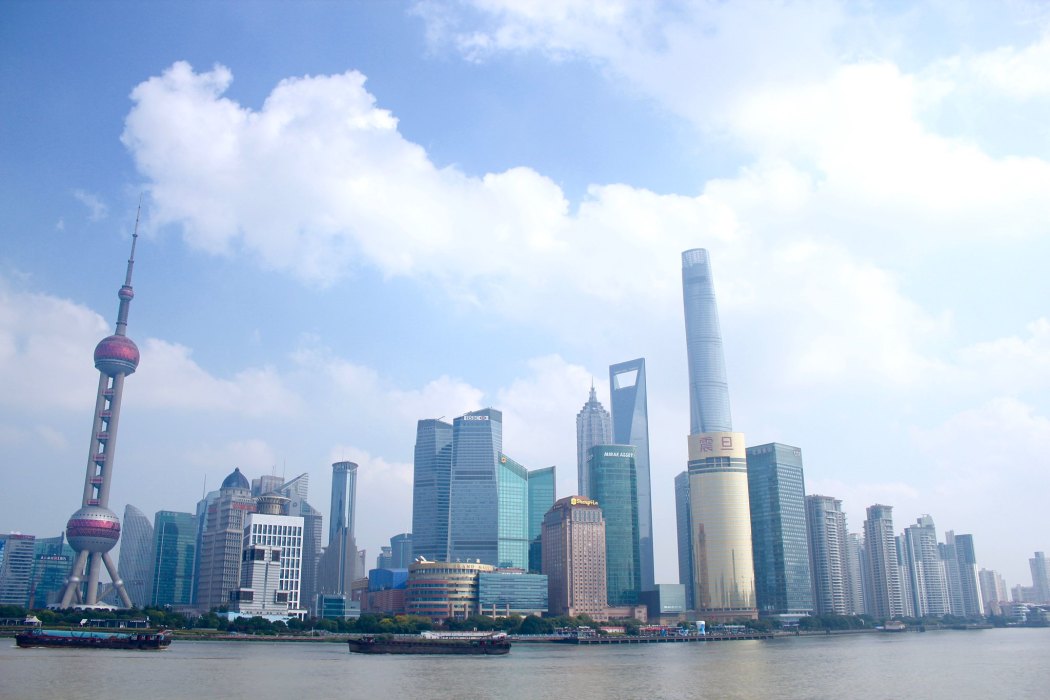
In Shanghai, the megacity of around 25 million people, the mercury edged above 40C in the early afternoon, nearing its record of 40.9C.
China has pledged to bring its emissions of planet-heating carbon dioxide to a peak by 2030 and to net zero by 2060, but has resisted calls to make bolder cuts.
It long depended on highly polluting coal power to fuel its massive economy but has emerged as a renewable energy leader in recent years.
Beijing’s top economic planner said Friday it would change the way it sets climate targets after its carbon emissions peak, adopting emissions reductions by volume instead of making them relative to economic growth.


