| rank | region | score |
|---|---|---|
| 1 |
Iceland
| 1.095 |
| 2 |
Ireland
| 1.26 |
| 3 |
New Zealand
| 1.282 |
| 4 |
Austria
| 1.294 |
| 4 |
Switzerland
| 1.294 |
| 6 |
Singapore
| 1.357 |
| 7 |
Portugal
| 1.371 |
| 8 |
Denmark
| 1.393 |
| 9 |
Slovenia
| 1.409 |
| 10 |
Finland
| 1.42 |
| 11 |
Czechia
| 1.435 |
| 12 |
Japan
| 1.44 |
| 13 |
Malaysia
| 1.469 |
| 14 |
Canada
| 1.491 |
| 14 |
Netherlands
| 1.491 |
| 16 |
Belgium
| 1.492 |
| 17 |
Hungary
| 1.5 |
| 18 |
Australia
| 1.505 |
| 19 |
Croatia
| 1.519 |
| 20 |
Germany
| 1.533 |
| 21 |
Bhutan
| 1.536 |
| 22 |
Lithuania
| 1.558 |
| 22 |
Latvia
| 1.558 |
| 24 |
Estonia
| 1.559 |
| 25 |
Spain
| 1.578 |
| 26 |
Mauritius
| 1.586 |
| 27 |
Qatar
| 1.593 |
| 28 |
Slovakia
| 1.609 |
| 29 |
Bulgaria
| 1.61 |
| 30 |
United Kingdom
| 1.634 |
| 31 |
Kuwait
| 1.642 |
| 32 |
Norway
| 1.644 |
| 33 |
Italy
| 1.662 |
| 34 |
Montenegro
| 1.685 |
| 35 |
Sweden
| 1.709 |
| 36 |
Poland
| 1.713 |
| 37 |
Mongolia
| 1.719 |
| 38 |
Romania
| 1.721 |
| 38 |
Vietnam
| 1.721 |
| 40 |
Taiwan
| 1.73 |
| 41 |
South Korea
| 1.736 |
| 42 |
Oman
| 1.738 |
| 43 |
Botswana
| 1.743 |
| 44 |
Timor-Leste
| 1.758 |
| 45 |
Greece
| 1.764 |
| 46 |
Argentina
| 1.768 |
| 47 |
Laos
| 1.783 |
| 48 |
Uruguay
| 1.784 |
| 49 |
Indonesia
| 1.786 |
| 50 |
Namibia
| 1.789 |
| 51 |
North Macedonia
| 1.799 |
| 52 |
Albania
| 1.812 |
| 52 |
United Arab Emirates
| 1.812 |
| 54 |
Costa Rica
| 1.843 |
| 55 |
The Gambia
| 1.855 |
| 56 |
Kazakhstan
| 1.875 |
| 57 |
Sierra Leone
| 1.887 |
| 58 |
Armenia
| 1.893 |
| 59 |
Bosnia and Herzegovina
| 1.895 |
| 59 |
Madagascar
| 1.895 |
| 61 |
Ghana
| 1.898 |
| 62 |
Chile
| 1.899 |
| 63 |
Kosovo
| 1.908 |
| 64 |
Serbia
| 1.914 |
| 64 |
Zambia
| 1.914 |
| 66 |
Moldova
| 1.918 |
| 67 |
Uzbekistan
| 1.926 |
| 68 |
Cyprus
| 1.933 |
| 69 |
Senegal
| 1.936 |
| 70 |
Liberia
| 1.939 |
| 71 |
Malawi
| 1.955 |
| 72 |
Jordan
| 1.957 |
| 73 |
Tanzania
| 1.965 |
| 74 |
France
| 1.967 |
| 75 |
Paraguay
| 1.981 |
| 76 |
Angola
| 1.987 |
| 76 |
Nepal
| 1.987 |
| 78 |
Kyrgyz Republic
| 1.988 |
| 79 |
Dominican Republic
| 1.996 |
| 79 |
Tajikistan
| 1.996 |
| 81 |
Tunisia
| 1.998 |
| 82 |
Equatorial Guinea
| 2.004 |
| 83 |
Bolivia
| 2.005 |
| 84 |
Panama
| 2.006 |
| 85 |
Morocco
| 2.012 |
| 86 |
Thailand
| 2.017 |
| 87 |
Cambodia
| 2.019 |
| 87 |
Turkmenistan
| 2.019 |
| 89 |
Trinidad and Tobago
| 2.02 |
| 90 |
Saudi Arabia
| 2.035 |
| 91 |
Rwanda
| 2.036 |
| 92 |
Algeria
| 2.042 |
| 93 |
Jamaica
| 2.047 |
| 94 |
Cote d' Ivoire
| 2.066 |
| 95 |
Azerbaijan
| 2.067 |
| 96 |
Peru
| 2.073 |
| 97 |
Sri Lanka
| 2.075 |
| 98 |
China
| 2.093 |
| 99 |
Eswatini
| 2.094 |
| 100 |
Bahrain
| 2.099 |
| 101 |
Guinea-Bissau
| 2.112 |
| 102 |
Cuba
| 2.123 |
| 103 |
Republic of the Congo
| 2.132 |
| 104 |
El Salvador
| 2.136 |
| 105 |
Philippines
| 2.148 |
| 106 |
Guyana
| 2.149 |
| 107 |
Egypt
| 2.157 |
| 108 |
Guatemala
| 2.174 |
| 109 |
Georgia
| 2.185 |
| 110 |
Mauritania
| 2.204 |
| 111 |
Nicaragua
| 2.207 |
| 112 |
Benin
| 2.211 |
| 113 |
Uganda
| 2.217 |
| 114 |
Zimbabwe
| 2.223 |
| 115 |
India
| 2.229 |
| 116 |
Papua New Guinea
| 2.23 |
| 117 |
Gabon
| 2.238 |
| 118 |
Guinea
| 2.253 |
| 119 |
Belarus
| 2.267 |
| 119 |
Lesotho
| 2.267 |
| 121 |
Mozambique
| 2.273 |
| 122 |
Djibouti
| 2.276 |
| 123 |
Bangladesh
| 2.318 |
| 124 |
Honduras
| 2.347 |
| 124 |
South Africa
| 2.347 |
| 126 |
Togo
| 2.381 |
| 127 |
Kenya
| 2.392 |
| 128 |
United States of America
| 2.443 |
| 129 |
Ecuador
| 2.459 |
| 130 |
Brazil
| 2.472 |
| 131 |
Libya
| 2.478 |
| 132 |
Eritrea
| 2.542 |
| 133 |
Burundi
| 2.574 |
| 134 |
Chad
| 2.593 |
| 135 |
Mexico
| 2.636 |
| 136 |
Lebanon
| 2.674 |
| 137 |
Cameroon
| 2.683 |
| 138 |
Ethiopia
| 2.688 |
| 139 |
Venezuela
| 2.692 |
| 140 |
Colombia
| 2.695 |
| 141 |
Haiti
| 2.731 |
| 142 |
Iran
| 2.75 |
| 143 |
Niger
| 2.759 |
| 144 |
Pakistan
| 2.797 |
| 145 |
Palestine
| 2.811 |
| 146 |
Turkiye
| 2.852 |
| 147 |
Iraq
| 2.862 |
| 148 |
Nigeria
| 2.869 |
| 149 |
North Korea
| 2.911 |
| 150 |
Central African Republic
| 2.912 |
| 151 |
Somalia
| 2.983 |
| 152 |
Burkina Faso
| 3.016 |
| 153 |
Myanmar
| 3.045 |
| 154 |
Mali
| 3.061 |
| 155 |
Israel
| 3.108 |
| 156 |
South Sudan
| 3.117 |
| 157 |
Syria
| 3.184 |
| 158 |
Afghanistan
| 3.229 |
| 159 |
Yemen
| 3.262 |
| 160 |
Democratic Republic of the Congo
| 3.292 |
| 161 |
Sudan
| 3.323 |
| 162 |
Ukraine
| 3.434 |
| 163 |
Russia
| 3.441 |
Produced by the Institute for Economics and Peace (IEP), the Global Peace Index (GPI) is the world’s leading measure of global peacefulness. This report presents the most comprehensive data-driven analysis to-date on trends in peace, its economic value, and how to develop peaceful societies. The Global Peace Index covers 99.7% of the world’s population, and is calculated using 23 qualitative and quantitative indicators from highly respected sources, and measures the state of peace across three domains:
– the level of Societal Safety and Security,
– the extent of Ongoing Domestic and International Conflict,
– and the degree of Militarisation.
The 2025 Global Peace Index (GPI) reveals a continuing decline in global peacefulness, with many key indicators that precede major conflicts higher than at any time since World War II. Rising conflict deaths, accelerating geopolitical tensions, and middle power assertiveness are driving ‘The Great Fragmentation’ – a fundamental reshaping of the global order and marking the emergence of a new geopolitical era. When combined with major power competition, asymmetric warfare technologies, and mounting debt in fragile economies, the prospect for further conflict is high.
Key findings:
.
Read more: ‘The Great Fragmentation’ Driving Conflict: World Peace Plummets
The Global Peace Index 2024 reveals that the world is at a crossroads. Without concerted effort, there is a risk of a surge in major conflicts. There are currently 56 conflicts, the most since World War II. They have become more international with 92 countries involved in conflicts outside their borders, the most since the GPI’s inception. The rising number of minor conflicts increases the likelihood of more major conflicts in the future. For example, in 2019, Ethiopia, Ukraine, and Gaza were all identified as minor conflicts.
Key results
• 97 countries deteriorated in peacefulness, more than any year since the inception of the Global Peace Index in 2008.
• Conflicts in Gaza and Ukraine were the primary drivers of the global fall in peacefulness, as battle deaths reached 162,000 in 2023.
• 92 countries are currently involved in conflicts beyond their borders, more than at any time since the inception of the GPI.
• First of its kind military scoring system suggests that US military capabilities are up to three times higher than China.
• The global economic impact of violence increased to $19.1 trillion in 2023, representing 13.5% of global GDP. Exposure to conflict poses a significant supply chain risk for governments and businesses.
• Militarisation recorded its largest yearly deterioration since the inception of the GPI, with 108 countries becoming more militarised.
• 110 million people are either refugees or internally displaced due to violent conflict, with 16 countries now hosting more than half a million refugees.
• North America saw the largest regional deterioration, driven by increases in violent crime and fear of violence.
• Iceland, Ireland, Austria, New Zealand, and Singapore are the top 5 most peaceful countries in the world in 2024.
Last year recorded 162,000 conflict related deaths. This was the second highest toll in the past 30 years, with the conflicts in Ukraine and Gaza accounting for nearly three-quarters of deaths. Ukraine represented more than half, recording 83,000 conflict deaths, with estimates of at least 33,000 for Palestine up to April 2024. In the first four months of 2024, conflict related deaths globally amounted to 47,000. If the same rate continues for the rest of this year, it would be the highest number of conflict deaths since the Rwandan genocide in 1994.
Read more: Highest number of countries engaged in conflict since World War II
Global Peace Index 2022 results show that the average level of global peacefulness deteriorated by 0.03%. Although slight, this is the eleventh deterioration in peacefulness in the last fourteen years, with 90 countries improving, 71 deteriorating and two remaining stable in peacefulness, highlighting that countries tend to deteriorate much faster than they improve.
• Deaths from external conflict recorded a sharp deterioration driven by the Russian invasion of Ukraine.
• Despite recent commitments, militarisation has improved in 113 countries since 2008.
• Terrorism continued to improve, with 70 countries recording no attacks in 2021. This is the best result since 2008.
• The rise in costs has increased food insecurity and political instability globally, with Africa, South Asia and the Middle East under greatest threat.
• The political terror scale, political insecurity, neighbouring country relations, refugees and IDPs reached their worst score since the inception of the GPI.
• The global economic impact of violence was $16.5 trillion in 2021, equivalent to 10.9% of global GDP, or $2,117 per person.
• Iceland remains the most peaceful country in 2022, a position it has held since 2008. It is joined at the top of the index by New Zealand, Ireland, Denmark and Austria.
• For the fifth consecutive year, Afghanistan is the least peaceful country, followed by Yemen, Syria, Russia and South Sudan.
• Seven of the ten countries at the top of the GPI are in Europe, and Türkiye is the only country in this region to be ranked outside the top half of the index.
Impact of the War in Ukraine on Peacefulness
• Two of the five countries with the largest deteriorations in peacefulness were Russia and the Ukraine.
• Social media is changing the way intelligence is gathered – it is now shared instantaneously, raw and with little analysis.
• In contrast to the global trend, positive sentiment in the Ukraine was rising in 2021. Support for the West was strong, with 58% wanting to join a Western economic union, and 54% supporting joining NATO.
Read more: Peacefulness declines to lowest level in 15 years
• Since 2008, the level of global peacefulness has deteriorated by 2%, with 75 countries recording a deterioration, while 86 improved.
• The average level of global peacefulness has deteriorated for nine of the past 13 years.
• The gap between the least and most peaceful countries continues to grow. Since 2008, the 25 least peaceful countries declined on average by 12.1%, while the 25 most peaceful countries improved by 4.3%.
• Iceland remains the most peaceful country in the world in 2021, a position it has held since 2008. It is joined at the top of the index by New Zealand, Denmark, Portugal, and Slovenia.
• Conflict in the Middle East has been the key driver of the global deterioration in peacefulness since 2008.
• Of the three GPI domains, two recorded a deterioration, while one improved. Ongoing Conflict deteriorated by 6.2% and Safety and Security deteriorated by 2.5%. However, Militarisation improved by 4.2%.
• The improving trend in Militarisation was widespread, with 111 of the 163 countries covered in the GPI improving. 87 countries reduced their military expenditure as a percentage of GDP, although military spending increased in absolute terms.
• The average level of global peacefulness deteriorated 0.34 per cent on the 2020 GPI. This is the ninth time in the last 12 years that global peacefulness has deteriorated.
• In the past year 80 countries recorded deteriorations in peacefulness, while 81 recorded improvements.
• The Middle East and North Africa (MENA) region remained the world’s least peaceful region.
• Europe remains the most peaceful region in the world, although it recorded a slight deterioration in peacefulness.
• Iceland maintained the title of number one as the most peaceful country in 2020 since the first the Global Peace Index launched 13 years ago.
• Peacefulness improved on average on the Militarisation domain, but deteriorated on both the Ongoing Conflict and Safety and Security domains.
• The global economic impact of violence was $14.5 trillion PPP in 2019, equivalent to 10.6 per cent of global GDP or $1,909 per person.
Access IEP's data for free with our non-commercial license.
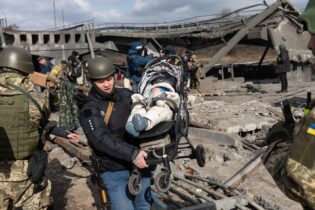
There are currently 56 conflicts, the most since World War II. They have become more international with 92 countries involved in conflicts outside...

The 2024 Global Peace Index (GPI) reveals the five countries which showed the largest improvements in their levels of peacefulness, despite the...
Identifying and measuring the factors that drive peace
Identifying and measuring the factors that drive peace


