
 Afrikaans
 Shqip
Shqip አማርኛ
አማርኛ العربية
 Հայերեն
 Azərbaycan dili
 Euskara
 Беларуская мова
 বাংলা
বাংলা Bosanski
 Български
 Català
 Cebuano
 Chichewa
 简体中文
简体中文 繁體中文
繁體中文 Corsu
Corsu Hrvatski
 Čeština
 Dansk
Dansk Nederlands
 English
 Esperanto
 Eesti
Eesti Filipino
 Suomi
Suomi Français
 Frysk
Frysk Galego
 ქართული
 Deutsch
 Ελληνικά
 ગુજરાતી
 Kreyol ayisyen
 Harshen Hausa
 Ōlelo Hawaiʻi
 עִבְרִית
 हिन्दी
 Hmong
Hmong Magyar
 Íslenska
 Igbo
Igbo Bahasa Indonesia
 Gaeilge
 Italiano
 日本語
日本語 Basa Jawa
 ಕನ್ನಡ
ಕನ್ನಡ Қазақ тілі
 ភាសាខ្មែរ
 한국어
한국어 كوردی
كوردی Кыргызча
 ພາສາລາວ
 Latin
Latin Latviešu valoda
 Lietuvių kalba
 Lëtzebuergesch
 Македонски јазик
 Malagasy
 Bahasa Melayu
 മലയാളം
 Maltese
 Te Reo Māori
 मराठी
मराठी Монгол
 ဗမာစာ
ဗမာစာ नेपाली
 Norsk bokmål
 پښتو
پښتو فارسی
فارسی Polski
 Português
 ਪੰਜਾਬੀ
 Română
 Русский
 Samoan
 Gàidhlig
 Српски језик
 Sesotho
 Shona
Shona سنڌي
سنڌي සිංහල
සිංහල Slovenčina
 Slovenščina
 Afsoomaali
 Español
 Basa Sunda
 Kiswahili
 Svenska
 Тоҷикӣ
 தமிழ்
தமிழ் తెలుగు
 ไทย
ไทย Türkçe
 Українська
 اردو
اردو O‘zbekcha
 Tiếng Việt
 Cymraeg
 isiXhosa
 יידיש
יידיש Yorùbá
 Zulu
Zulu

According to the Japan Times...
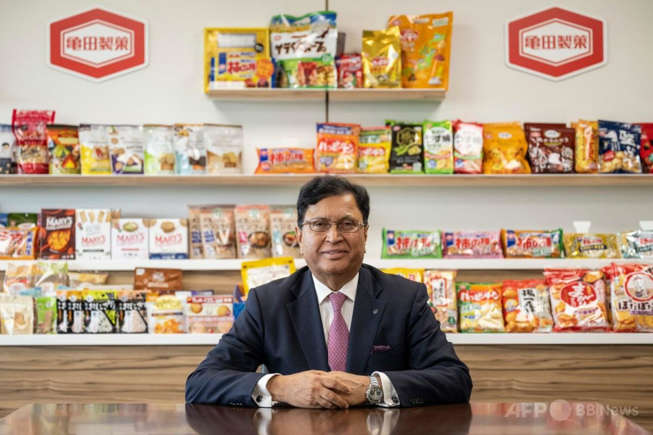
Niigata –
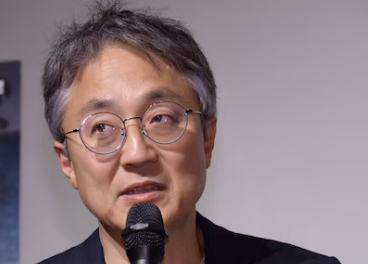
The Indian-born CEO of one of the most famous snack brands in Japan said,To restore Japan's economy to its booming glory, the country needs to change its mindset and embrace more immigrants, he warns.did.
Politicians have struggled for years to recover from the so-called lost decade after a range of policies, including ultra-loose monetary policy and trillions of dollars of stimulus packages, failed to spur growth.
As Prime Minister Shigeru Ishiba's new government looks at new efforts to restore Japan's heyday of global tech dominance, Lek Juneja, president of rice snack giant Kameda Seika, said he fears his new home is losing its edge.
(slightly)
Kameda's expansion mirrored Japan's postwar economic boom, and revenues increased tenfold between 1965 and 1974, becoming synonymous with the nation's beloved rice crackers in the process..
But the country that gave the world the Sony Walkman, the Shinkansen and Super Mario is no longer at the forefront of technology, having been overtaken by Silicon Valley in the US, South Korea and China.
In the late 1980s, Japan dominated the top 10 companies in the world by market capitalization. Today, there are no Japanese companies on that list.
The population is ageing and projected to fall by almost a third over the next 50 years, and companies are already having trouble filling vacancies.
Although Japan has relaxed restrictions in recent years, it does not rely heavily on immigration as a solution.
Juneja (1984), who first came to Japan in 72 and previously worked for a food ingredient manufacturer and a pharmaceutical company,Japan has "no choice" but to accept more immigrantsSaid.
"It's not just about numbers. It's also about mindset and culture. We need to globalize." he said.
Read More
- main
-
Twitter
-
Sports
-
Domestic
-
Politics
-
Overseas
-
Economy
-
Entertainment
 Dr. Takasu: "I donated Katchan's CM fee to the Self-Defense Forces Martyrs' Families Association. I'm at the Ministry of Defense now."
- [Video] Prime Minister Ishiba: "If we cannot extend a helping hand to those who have been affected by disasters and are in despair, we cannot say that we are fulfilling our responsibilities as a nation." Transform Japan, one of the world's most disaster-prone countries, into a world-leading disaster prevention powerhouse.
- Komeito Party Chairman Saito: "It's time to make a decision. I want to fully persuade him" to persuade the Prime Minister to realize separate surnames for married couples
- [Constitutional Democratic Party member Shinoda] We're not saying that 'everyone will have different surnames from now on,' but rather that it's a system that allows those who wish to choose, so why are people who want to keep the same surname opposed? Please rest assured that the choice to keep the same surname will be protected.
- [Machiyama Tomohiro] "Nabe Tsune was a real scumbag" ← Comments about the deceased spark criticism
- [Sad News] South Korea and Taiwan surpass Japan in per capita GDP
- Video [Representative Hamada] House of Councillors Committee on General Affairs/Questioning related to biased reporting → Regarding Yoichiro Tateiwa's statement on Fuji TV's "Mezamashi 8" that Hyogo Governor Saito is a "murderer"
- [McDonald's stabbing suspect] Suspected murderer Masanori Hirahara (43) was not a member of the ice age generation of unemployed children, but a high-ranking FIRE citizen with a lot of unearned income, owning land, a house, a building, and a monthly parking space!! [Posted by Panama Papers]
- [More than 1 applications for cancellation of Minority Health Insurance Cards] ← Say NO to the government's imposition! The supply company went bankrupt after refusing to comply with the government's cricket-like policy. Let's move on from being the old Japanese who just obeys obediently!
- China: Secret information stolen in cyber attack by US intelligence agency
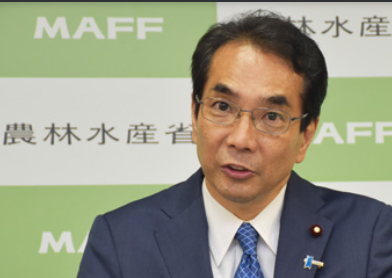
 Video [Minister of Agriculture, Forestry and Fisheries Eto] "The people of Japan want to eat imported food!"
- [Representative Kamiya] Regarding social media restrictions, "Restricting information on the grounds of false information is out of the question. Deeming something that is inconvenient for the government or the ruling party to be false is censorship! And who gets to decide what information is false in the first place?"
- Video [Ishikawa Prefecture, coastal poaching in 2024] XNUMX people arrested... XNUMX of them are Vietnamese technical intern trainees
- [13 Korean men arrested] Suspicion of smuggling 500 million yen worth of gold bullion. It may have been dropped into the sea from an international ferry and recovered. Moji Customs, Fukuoka
- Foreign Minister Iwao: "Japan and China need to strengthen communication in a wide range of areas" - Meeting with Foreign Minister Wang Yi to be held on the 25th of next week
- [Akita Prefecture / Governor Norihisa Satake] If you get a complaint by phone, just say, 'If you're that worried, we'll send a bear to your house. Please tell us your address.' That will put the person off the phone.
- [Prime Minister Ishiba] "Realizing same-sex marriage will increase happiness throughout Japan"
- [Communist Party, City Council Member Matsui Yumiko] Was he transported to the hospital in an intoxicated state and assaulted doctors? He shouted, the doctor's white coat was torn in the assault, the nurse suffered bruises that will take a week to heal, and ambulance staff were also injured → Apology given but refusal to meet with them
- [Obituary] Tsuneo Watanabe, CEO and Editor-in-Chief of the Yomiuri Shimbun Group Headquarters, passes away at age 98
- [Breaking News] Two men and women stabbed to death on the street in Kashiwa City, Chiba: "They were found lying covered in blood"
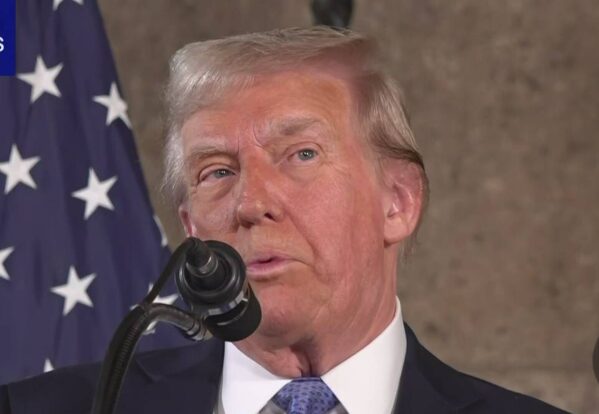
 [US President-elect Trump] Sues newspapers that reported unfavorable opinion polls [NHK]
- [LDP debates SNS and elections/regulations under consideration] Election System Research Council: "Necessary measures must be taken" → After tax hike, will it be suppression of free speech?
- Video [Credited for sexually assaulting his teenage daughter at the time] The father claims innocence at the first hearing, saying, "It is true that we had sexual intercourse, but I did not scold her beyond the scope of discipline."
- [Gasoline prices to rise] Due to government subsidy cuts, gasoline prices will rise by nearly 1 yen per liter in some places
- [Breaking News] A woman in her 70s is stabbed in the back at Sannomiya subway station, conscious
- Video showing bento factory workers causing controversy with Chinese words for "Little Japan" and "poison" Sendai City rushes to respond
- [Sad news] Chinese asset management giant establishes new base in Japan for Chinese immigrants
- [List of lawmakers who voted for/against K-POP music festival] A resolution was passed to hold the festival next fall at the expense of 2.7 million yen in public funds, even if it meant abolishing traditional festivals in Nara → "Everyone, do you know what to do?" [Posted by Takahashi]
- [Time for change] Honda and Nissan enter into talks to merge, becoming one of the world's leading groups if successful
- [Breaking News] At a press conference, President-elect Trump indicated he would be willing to meet with Prime Minister Ishiba before taking office if he so wishes.
 [Kokushikan University/Nihon University Professor Emeritus Akira Momochi] Under the selective separate surnames system, only the couple can choose their surname. Children have no freedom of choice and are forced to have different surnames. Is that okay?
- [High-cost medical care system] Average annual income to increase by 8000 yen per month, upper limit of burden to be increased by 10%, aiming to reduce the burden on working generation, Ministry of Health, Labour and Welfare
- [Breaking News] Woman in her 20s stabbed and rushed to convenience store; man arrested in Kameido, Tokyo
- [Must see] List of Nara Prefectural Assembly members who supported the K-POP event / 22 out of 8 LDP members supported it! [From Assemblyman Kana Shindo]
- [Breaking News & Sad News] The K-POP music festival that Nara Prefecture was planning to hold using 2.7 million yen of public funds has been "approved" with the support of lawmakers. Please do not vote for the lawmakers who voted in favor of it next time.
- [Ministry of Finance official arrested] Suspicion of taking upskirt photos on escalator denies the allegation, saying "I don't remember"
- [Sad news] It seems that Kameda Seika and Nissin don't understand what Japanese people dislike. [Posted by Nekomanma]
- Hot Topic [Indian Chairman / Kameda Seika] "Produced by a Chinese company under strict quality checks" → "Japanese-style" Kameda sweets sold in Japan. It turns out that they have actually been made in China for about 20 years!
- [Prime Minister's Office] The Council for Gender Equality has begun deliberations on a new "Basic Plan for Gender Equality" and a "Women's Basic Policy for 2025." We will further strengthen our efforts.
- [Kameda Seika/Chairman] Indian-born Lek Juneja: "Japan has no choice but to accept more immigrants"
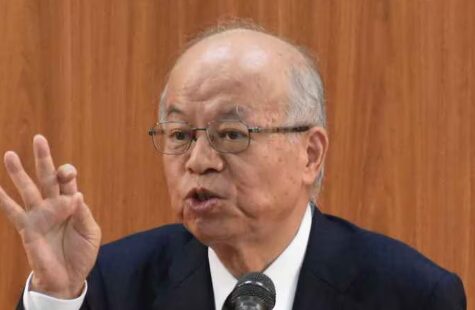
 [Breaking News] Support for Ishiba Cabinet remains stable at 30% [Mainichi Shimbun opinion poll]
- Instead of saying "Gasoline prices are soaring!!! The government is messing around!!!", shouldn't we say "It would have been so expensive without subsidies...Thank you, government, for keeping the prices down until now. Sorry, but can I have another one?" [Posted by Ryuuyuu]
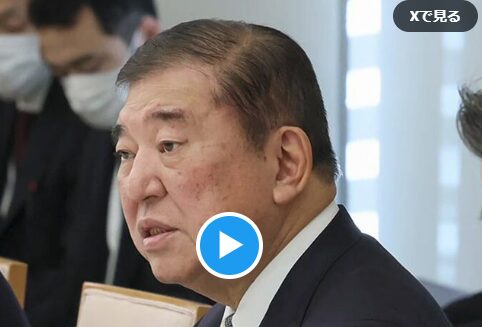
- [What?] Prime Minister Ishiba is getting a lot of praise on Chinese social media for being "grossly cute"! The shocking reason behind his explosive popularity
- [Sad news] Eriko Imai protected by the Communist Party
- Video [The 103 million yen wall] Yoichi Miyazawa: "We thought we had shown a great deal of sincerity" → Criticism floods in
- [APA Hotel] I see! So that's why it's APA! [Posted by Takako Miura]
- US Marines stationed in Okinawa begin relocating to Guam 18 years after "Roadmap" → "Isn't this a withdrawal?"
- [Proposal] Can KPOP events be overturned by a citizen audit request? Details ↓ [Posted by Pottman2]
- [Elon Musk] "I don't want Japan to disappear," "We can't rely on immigration, and we have to protect our culture"
- [Kiminori Sera] Questions about the promotion of optional separate surnames for married couples: "Are there other purposes? The amount of effort being put into it is extraordinary."

 [What?] Prime Minister Ishiba is getting a lot of praise on Chinese social media for being "grossly cute"! The shocking reason behind his explosive popularity
- [Comparison] Trump gets 0 yen for refusing salary / Ishiba gets 341 million yen bonus [Posted by himuro]
- [Representative Wada] "The investigation into the individual who is currently facing criminal charges for threatening and defaming me is also progressing steadily."
- [Chinese international students] "12 yen subsidy from the Japanese government! I don't understand why, but it's increased!" International students are receiving the subsidy one after another and are overjoyed to eat and drink without paying, spreading on SNS
- [Warning] Chinese state media reports that "bacteria, insects, insect eggs, and carcinogens have been found in Chinese-made sanitary napkins from 56 companies" → Chinese people in Japan have started a business of buying up and reselling Japanese-made sanitary napkins! Concerns about a domestic supply shortage
- Video [Chinese people in Japan] Receive child allowance of 2 yen per month for two children until they reach the age of 18 ← For some reason, foreigners are given preferential treatment over tax-paying Japanese people, creating a chaotic situation / The number of foreigners receiving benefits is currently increasing as the video spreads
- Video [Elon Musk] "To everyone around the world, you are the media now. What you know. What you hear. What you see. You broadcast it on your 𝕏."
- [100-Article Committee, Chairman Okutani] A family company went bankrupt → Was he involved in the Saito downfall due to personal grudge? He completely denies the allegations being spread on X, saying, "It is not a family business at all."
- [Kazumi Inamura] Social media accounts "frozen twice" during Hyogo Prefectural Gubernatorial Election → Criminal charges filed against an unspecified number of accounts for "unjust election interference" due to reports of "falsehood"
- [Insulting the people of Hyogo Prefecture] Maekawa Kihei: "The people of Hyogo Prefecture who elected Saito are stupid" / Suzuki Eight: "Saito supporters are a creepy, dangerous group with no common sense who don't even read newspapers" / Kayama Rika: "The people of Hyogo Prefecture were under mind control"

 Video [Sad news] Prime Minister Ishiba is mocked by Chinese people for eating rice balls in a messy way → [Sales ability 0, international sense 0, manners 0, everything else 0]
- [Warning] Chinese person: "Drone modification complete" "It's a pity there isn't a Japanese school in the area. Otherwise, drones would drop bombs at night."
- [Mr. Hidetoshi Alfiya] It was discovered that he had spread criticism of the Japanese Conservative Party in "English" before he became Parliamentary Vice-Minister for Foreign Affairs. → To whom was he trying to spread his personal retaliation in English? "Just tell him directly. It's a mix of public and private matters."
- Video [Sad news] Sun TV desperately tries to delete inconvenient comments during an interview with Governor Saito Motohiko lol → Here is the decisive moment of suppression of free speech!
- Donald Trump, Elon Musk and RFK Jr. eat McDonald's on a plane
- Constitutional Democratic Party lawmaker: "Eradicate those who discriminate against Kurds"
- Video [NMIXX] ← Korean idol who performed "Dokdo is our territory" / Even a "2+ signature campaign" against holding a concert in Japan... "Please don't underestimate Japan" - harsh criticism
- [Doshisha University] An American who studied abroad in Japan on a non-repayable scholarship is spreading hateful rumours such as "There is a racial hierarchy in Japan and Africans are subhuman" and "Black people are called animals and monkeys"! This is an international issue!
- Video [Ministry of Finance SNS] Criticisms on social media surge after general election, exceeding 2000
- Social media version of the ranking of ministries and agencies that should be dismantled: 1st place: Ministry of Finance / 2nd place: Agency for Children and Families / 3rd place: Ministry of Health, Labor and Welfare
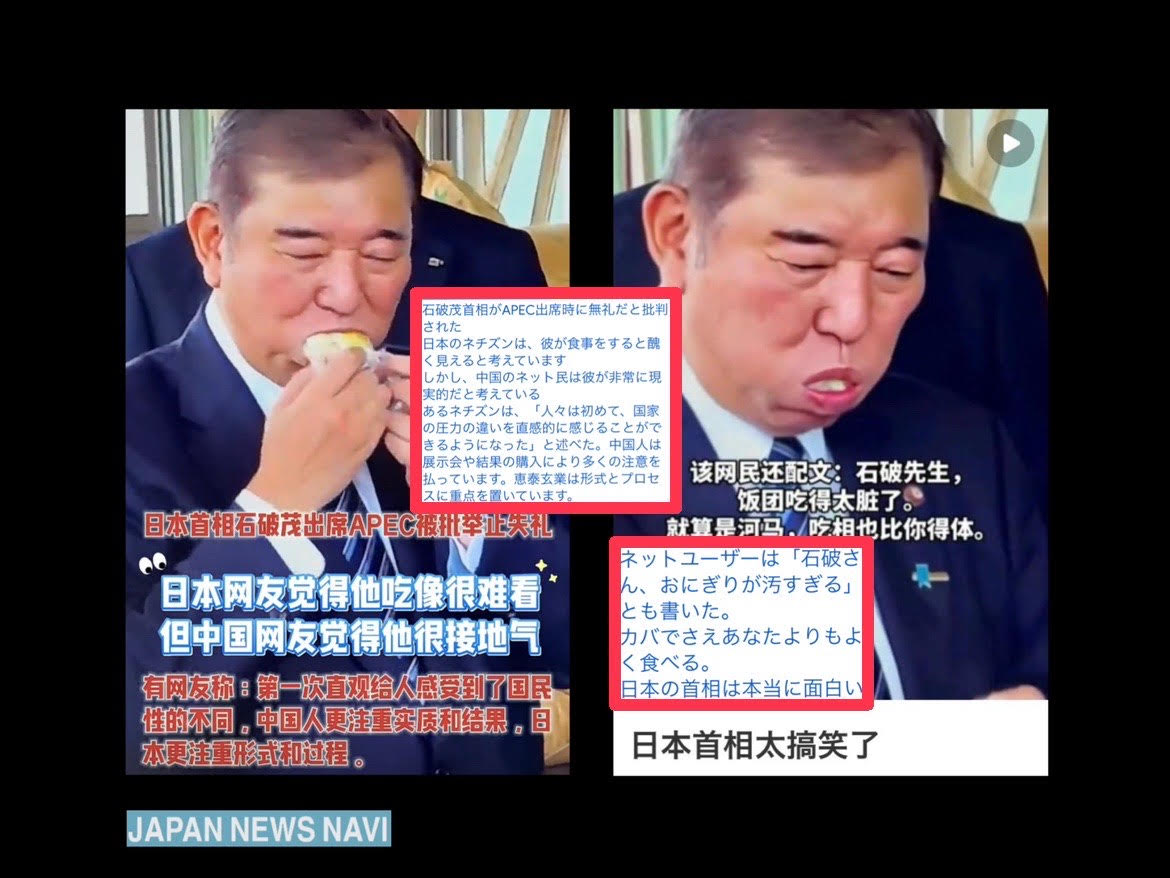
 Taiwan, winner of first Premier12 title, declines champagne fight, saying "We don't want to soil the venue or cause trouble. We'll take the joy home with us"
- Video [Sad news] Elementary school karate incident: The person who was kicked was somehow suspended for three years → Furthermore, the kick resulted in the student being rushed to hospital with a cervical sprain and a full recovery period of three weeks
- [Video] Soccer players show respect for their team symbol. People from other countries should watch this and learn how cool it is to show respect for the national flag!
- [Good news] Bridgestone to end Olympic sponsorship, leaving Japanese companies at zero

 [Video] Prime Minister Ishiba: "If we cannot extend a helping hand to those who have been affected by disasters and are in despair, we cannot say that we are fulfilling our responsibilities as a nation." Transform Japan, one of the world's most disaster-prone countries, into a world-leading disaster prevention powerhouse.
- [Constitutional Democratic Party member Shinoda] We're not saying that 'everyone will have different surnames from now on,' but rather that it's a system that allows those who wish to choose, so why are people who want to keep the same surname opposed? Please rest assured that the choice to keep the same surname will be protected.
- [Machiyama Tomohiro] "Nabe Tsune was a real scumbag" ← Comments about the deceased spark criticism
- Video [Representative Hamada] House of Councillors Committee on General Affairs/Questioning related to biased reporting → Regarding Yoichiro Tateiwa's statement on Fuji TV's "Mezamashi 8" that Hyogo Governor Saito is a "murderer"
- [McDonald's stabbing suspect] Suspected murderer Masanori Hirahara (43) was not a member of the ice age generation of unemployed children, but a high-ranking FIRE citizen with a lot of unearned income, owning land, a house, a building, and a monthly parking space!! [Posted by Panama Papers]
- [More than 1 applications for cancellation of Minority Health Insurance Cards] ← Say NO to the government's imposition! The supply company went bankrupt after refusing to comply with the government's cricket-like policy. Let's move on from being the old Japanese who just obeys obediently!
- Video [Minister of Agriculture, Forestry and Fisheries Eto] "The people of Japan want to eat imported food!"
- [Representative Kamiya] Regarding social media restrictions, "Restricting information on the grounds of false information is out of the question. Deeming something that is inconvenient for the government or the ruling party to be false is censorship! And who gets to decide what information is false in the first place?"
- Video [Ishikawa Prefecture, coastal poaching in 2024] XNUMX people arrested... XNUMX of them are Vietnamese technical intern trainees
- [13 Korean men arrested] Suspicion of smuggling 500 million yen worth of gold bullion. It may have been dropped into the sea from an international ferry and recovered. Moji Customs, Fukuoka
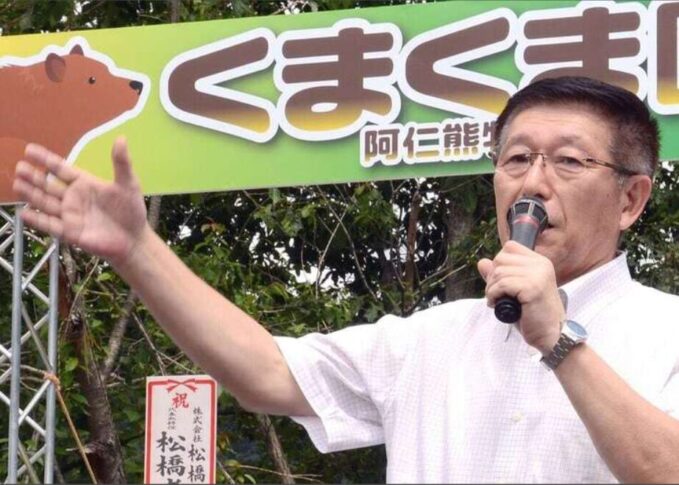
 [Akita Prefecture / Governor Norihisa Satake] If you get a complaint by phone, just say, 'If you're that worried, we'll send a bear to your house. Please tell us your address.' That will put the person off the phone.
- [Prime Minister Ishiba] "Realizing same-sex marriage will increase happiness throughout Japan"
- [Communist Party, City Council Member Matsui Yumiko] Was he transported to the hospital in an intoxicated state and assaulted doctors? He shouted, the doctor's white coat was torn in the assault, the nurse suffered bruises that will take a week to heal, and ambulance staff were also injured → Apology given but refusal to meet with them
- [Obituary] Tsuneo Watanabe, CEO and Editor-in-Chief of the Yomiuri Shimbun Group Headquarters, passes away at age 98
- [Breaking News] Two men and women stabbed to death on the street in Kashiwa City, Chiba: "They were found lying covered in blood"
- [LDP debates SNS and elections/regulations under consideration] Election System Research Council: "Necessary measures must be taken" → After tax hike, will it be suppression of free speech?
- Video [Credited for sexually assaulting his teenage daughter at the time] The father claims innocence at the first hearing, saying, "It is true that we had sexual intercourse, but I did not scold her beyond the scope of discipline."
- [Gasoline prices to rise] Due to government subsidy cuts, gasoline prices will rise by nearly 1 yen per liter in some places
- [Breaking News] A woman in her 70s is stabbed in the back at Sannomiya subway station, conscious
- Video showing bento factory workers causing controversy with Chinese words for "Little Japan" and "poison" Sendai City rushes to respond
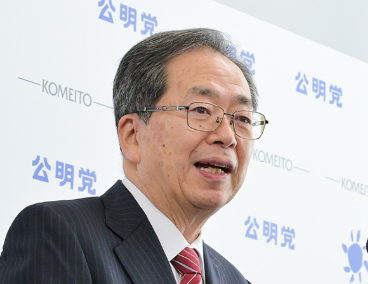
 Komeito Party Chairman Saito: "It's time to make a decision. I want to fully persuade him" to persuade the Prime Minister to realize separate surnames for married couples
 - Foreign Minister Iwao: "Japan and China need to strengthen communication in a wide range of areas" - Meeting with Foreign Minister Wang Yi to be held on the 25th of next week
- [Breaking News] Support for Ishiba Cabinet remains stable at 30% [Mainichi Shimbun opinion poll]
- [Sad news] Eriko Imai protected by the Communist Party
- [Ishiba Cabinet] Disastrous! Approval rating falls again, to just 26.8%, "dangerous waters" / Internet: "Seriously, resign!"
- Nakano Ward Councilman Yoshida debated against the "Statement of Opinion (draft) calling for the early realization of a selective separate surnames system for married couples." Despite the heckling from the Communist Party and the Constitutional Democratic Party, I responded firmly, but unfortunately it was "passed." Nine members, including eight from the Liberal Democratic Party and myself, were against it, while the rest were in favor.
- Representative Hamada: "What I've learned after four years is that these 4-plus "self-proclaimed" LDP tax cut lawmakers were a release of steam."
- [Tax cuts are being considered / Tax increases are being made at lightning speed!] Ishiba administration decides to abolish the 106 million yen barrier, "Employees' pension insurance, regardless of annual income" blows away tax cut proposals [himuro's post]
- Akie Abe is arranging a meeting with President-elect Trump... Planning to visit the US this weekend. Is the aim to rebuild relations between Japan and Trump by seeking a meeting with the wife of former Prime Minister Abe, who was a close friend of his? [FNN]
- [Urgent] Please send an email to the Prime Minister's Office opposing separate surnames for married couples. Prime Minister Ishiba said, "We will accelerate the discussion." If the bill passes, it will be irreversible. It will play into the hands of anti-Japanese lawmakers, naturalized lawmakers, and anti-Japanese forces. [Posted by Ayako]
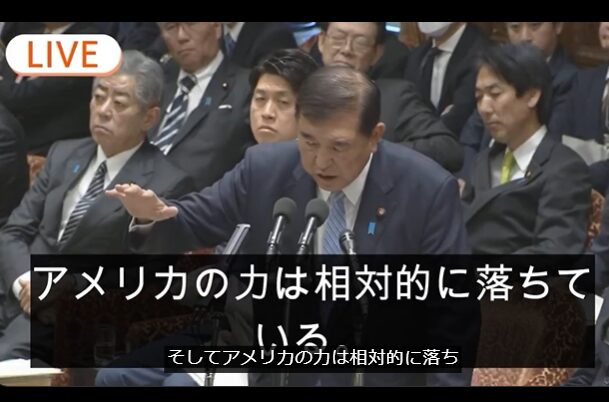
 [Video] Ishiba: "The power of the United States is declining relatively." It's a big problem when the head of an allied nation says this. Abe said, "Japan and the United States are an alliance of hope. If we're together, we can do it." But Ishiba insisted, "Look elsewhere." Is that China?
- Communist Party: "We should decide to raise welfare benefits"
- [Tax revenue/record high forecast] Prime Minister Ishiba: "It is not appropriate to say that we are taking too much"
- [Prime Minister Ishiba] "Next year there will be an Upper House election. Not for the sake of the LDP, but for the sake of Japan, I would like to ask all local organizations to give me stern opinions and scolding." → Is he serious? Willing to rebuild the party. Is he also eager for the Upper House election?
- [Representative Hamada Satoshi] I will not vote for politicians who raise taxes. I hope this becomes the norm in Japan as well.
- [Prime Minister Ishiba] "Approximately 95% of those who change their surname upon marriage are women, and I feel strongly that we must acknowledge their sadness and suffering."
- [Prime Minister Ishiba] "There is nothing to do according to the policies of the presidential election" - Prime Minister's response causes a stir
- [Social Democratic Party, Yuko Otsubaki] "There are people other than Japanese living in Japan, so it is the job of politicians to take that into consideration. Don't make me say it again and again."
- [There are many things that cannot be made public] Prime Minister Ishiba says it is appropriate to not disclose some of the party expenditures, "This is not a loophole" - ruling and opposition parties question the LDP proposal in the House of Representatives Budget Committee
- Video [Breaking News] Ishiba Cabinet's approval rating is 42.1%, up 3.2 points from the previous survey, JNN opinion poll
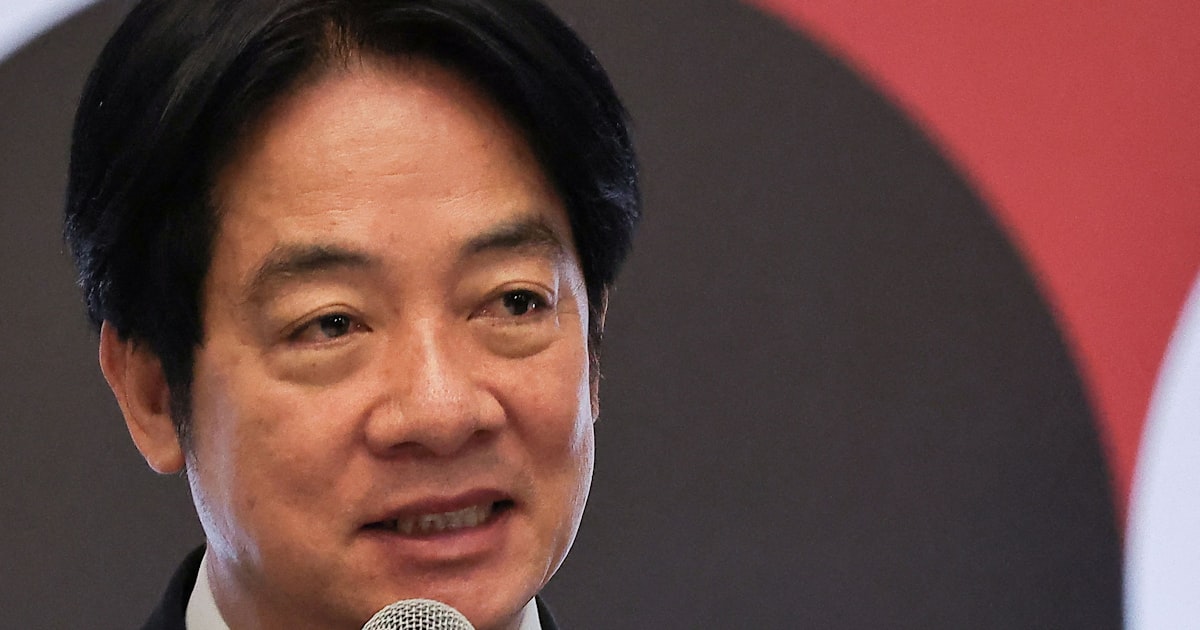
 China: Secret information stolen in cyber attack by US intelligence agency
- [US President-elect Trump] Sues newspapers that reported unfavorable opinion polls [NHK]
- [Sad news] Chinese asset management giant establishes new base in Japan for Chinese immigrants
- [Breaking News] At a press conference, President-elect Trump indicated he would be willing to meet with Prime Minister Ishiba before taking office if he so wishes.
- [Elon Musk] "I don't want Japan to disappear," "We can't rely on immigration, and we have to protect our culture"
- [Mainichi Shimbun] "Society did not collapse" - The current state of France after promoting same-sex marriage
- What! CNN reports that "President Trump invited him to the inauguration through back channels," naming several people, but not Ishiba! It's all over. [Posted by himuro]
- Argentina's reforms: a miraculous year - fiscal surplus and stable prices [Nihon Keizai Shimbun]
- Video [Argentine President Javier Milley] "Okay, first we'll destroy all the ministries and agencies."
- Popular Korean brand faces criticism over "fake YKK zippers" and "tag replacement" practices...Major online shopping site criticized [Chosun Ilbo]

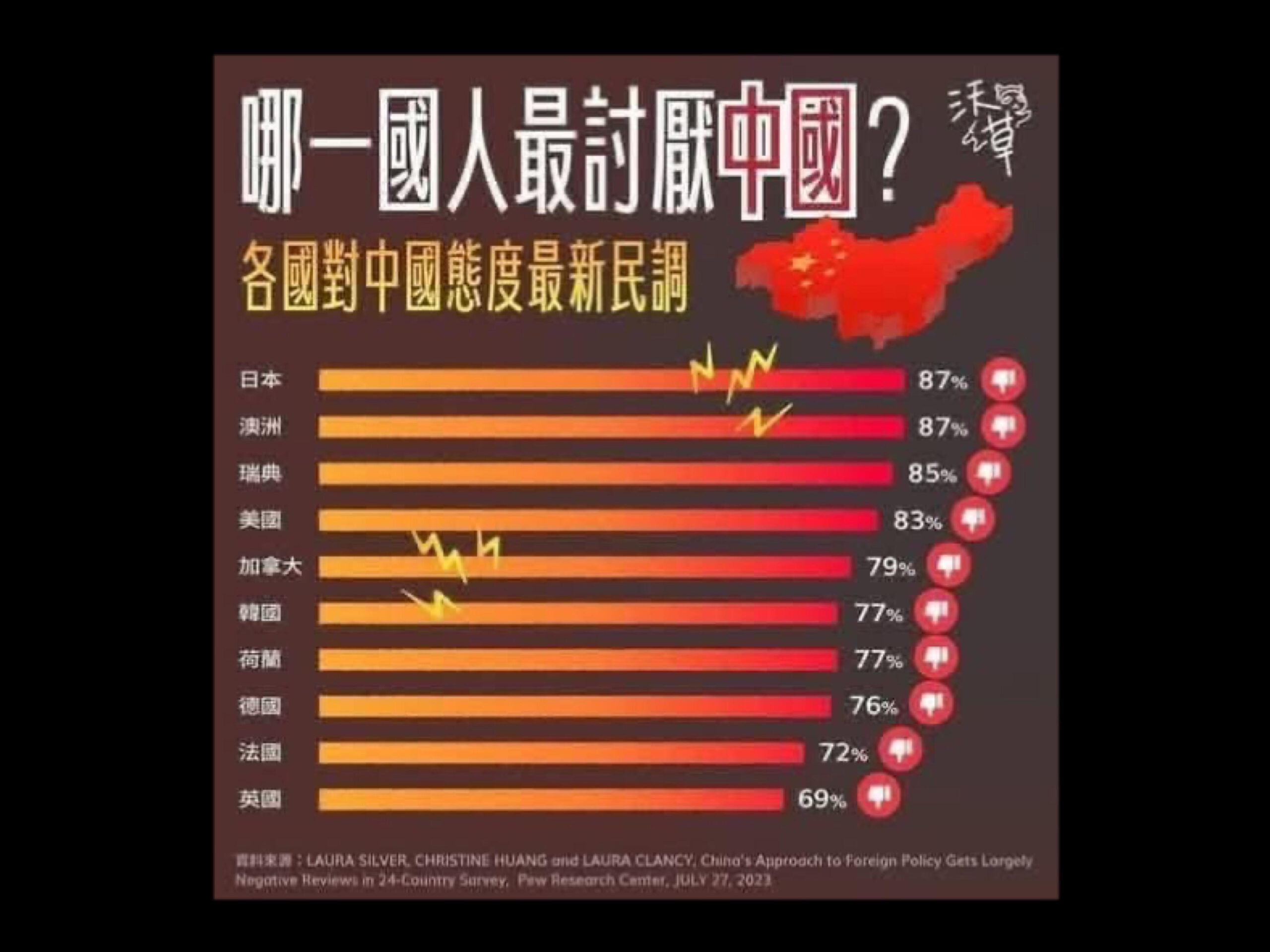
 Japan has come in first in the ranking of countries that hate China. What's strange is that the Liberal Democratic Party of Japan government, which ignores the will of the people, loves China. [Posted by Shinonome Kuniyoshi]
- President-elect Trump: "First of all, I will deport all criminal illegal immigrants!"
- [Russia-North Korea] "Strategic Treaty" comes into effect. Ratification documents exchanged, cooperation accelerates, de facto military alliance?
- Video [Breaking News] Troops withdraw from South Korea's National Assembly building. Martial law lifted. South Korean president's "one-man coup" fails. Is his "downfall" inevitable? Possibility of new anti-Japanese government born with regime change.
- Video [Nitori President] "We cannot survive without China. China is the center of the world." Nitori opens its 105th store in China and its 20th store in Shanghai. Nitori plans to open XNUMX% more stores in China each year.
- [Breaking News] Chinese nationals and tourists living in Japan are buying up toothpaste at Japanese pharmacies and starting to resell it → Chinese media announces that "94% of Chinese-made toothpaste contains carcinogenic substances" / Formaldehyde levels more than 20 times the legal limit!
- [China kidnapping case] A 13-year-old female student (Ms. Zhang) went missing on her way to school. Her parents searched for her and found her body three days later, with both eyes, kidneys, liver and spleen removed. Shaanxi Province
- Video [3 million yen bribery scandal] Foreign Minister Iwasaki: "It's over" → "So you're admitting it, huh? LOL" *The statute of limitations has not yet expired in the US
- [Breaking News] Chinese company CEO Pan Zhengming indicted for bribing Japanese Diet members, providing a total of 26.5 million yen to the Diet members. The indictment states that he was a "senior government official in charge of infrastructure, transportation, and tourism" in the Japanese government. US Department of Justice / Iwaya denies the allegations.
- Video [Smiling Minister of Foreign Affairs Iwao] "I visited Italy to attend the G7 Foreign Ministers' Meeting and other events!" → Internet users say, "Isn't there something else you need to explain?"
 [Sad News] South Korea and Taiwan surpass Japan in per capita GDP
- "I'm not satisfied," says Tax Commission Chairman, displeased by the LDP-Komeito-Nippon Party agreement on the "103 million yen annual income barrier" → "Hey, someone, do something about this enemy of the people!" [Posted by Ikawa Yoshitaka]
- [Yukan Fuji] "The Ishiba Shigeru administration is guilty of ignoring tax cuts! Gasoline prices have risen for four consecutive weeks, and with reduced subsidies, the price is expected to drop to the 185 yen range in the new year. Postponing the discussion for a year is a grave sin!"
- [LDP/Komeito] Proposal to provide 3 yen to low-income households and an additional 2 yen to child-rearing households approved in principle → "This is a country where tax-paying citizens are not rewarded. Paying taxes is stupid!"
- [Employees' Pension Insurance] The "106 million yen barrier" for part-time workers to join regardless of annual income will be abolished, but burdens may increase
- [Ishiba Cabinet] Announcement of 40 billion yen in grant aid to Tanzania for road construction
- [Sad news] Economist: "With Ishiba as president, the consumption tax increase to 15% is confirmed. The Ministry of Finance is aiming for even more than 15%."
- Dr. Takasu: "I donated Katchan's CM fee to the Self-Defense Forces Martyrs' Families Association. I'm at the Ministry of Defense now."
- [Kiminori Sera] Questions about the promotion of optional separate surnames for married couples: "Are there other purposes? The amount of effort being put into it is extraordinary."
- [Miho Nakayama] Considering "farewell event" at a later date, agency makes "important request" and "please refrain from interviews" funeral not disclosed [full text]
- [Fuji TV] Criticisms mount over surprise interview with Shinobu Nakayama, sister of the late Miho Nakayama
- [Koji Kikkawa and Tomoyasu Hotei] The two will donate 10 billion yen to establish a Noto reconstruction fund
- Talent Pico passes away at age 79... He gained popularity with his twin brother in the comedy duo "Osugi and Pico"
↓X(old Twitter)
[Posted by Tadao Yuasa]

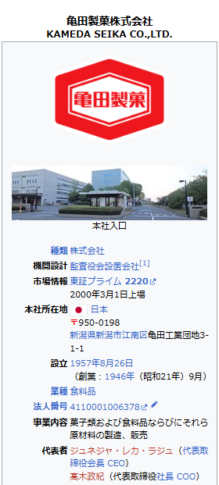
▶Go to Wikipedia source...


Source: https://www.japantimes.co.jp/business/2024/12/15/companies/india-born-kameda-ceo/
https://ja.wikipedia.org/wiki/%E4%BA%80%E7%94%B0%E8%A3%BD%E8%8F%93
Everyone's comments
- Goodbye Turtle
- I have no choice, I'll stop buying Kameda
Editor B’s opinion
An article by Kameda Seika Chairman Lek Juneja talking about immigration policy in Japan has attracted much interest and discussion. Chairman Juneja argues that Japan needs to accept more immigrants to restore economic growth, but this opinion is divided. While his proposal is based on the backdrop of practical issues such as population decline and labor shortages, careful discussion is needed about how immigration policy should be implemented and its impact.
Japan has experienced many years of economic stagnation and is still searching for a solution. Chairman Juneja says that it is important to diversify not only population issues but also ways of thinking and culture. However, when we look at how immigration policies have worked in other countries, we can see that there are not only success stories. In particular, Western countries have been challenged by social friction and economic impacts caused by immigration policies, and it is possible that similar concerns will arise in Japan.
Kameda Seika is a nationally popular snack brand that produces snacks such as "Kaki No Tane," and is a familiar company to many Japanese people. Therefore, it is not surprising that the company's CEO's comments are attracting attention. However, these comments may also have an impact on consumer sentiment and the brand's image. In particular, there are likely to be some segments of the population that are sensitive to a foreign CEO expressing his opinion on national policy. It will be interesting to see how this will affect Kameda Seika's business activities and sales.
Another important issue is how to protect Japanese culture and values while advancing immigration policies. Rather than simply aiming for economic growth, we need to consider social harmony and long-term impacts. Given the influence of companies like Kameda Seika, the company's comments may be asking how it will contribute to Japanese society from a broader perspective.
Chairman Juneja's comments provide an important opportunity to think about the future of Japanese society in terms of immigration policy, but careful consideration is needed as to how and what the policy will be implemented. How to embrace diversity while avoiding social division will be a major challenge for Japan in the future.
Written by: Editorial Department B
Latest articles
- Dr. Takasu: "I donated Katchan's CM fee to the Self-Defense Forces Martyrs' Families Association. I'm at the Ministry of Defense now."
- [Video] Prime Minister Ishiba: "If we cannot extend a helping hand to those who have been affected by disasters and are in despair, we cannot say that we are fulfilling our responsibilities as a nation." Transform Japan, one of the world's most disaster-prone countries, into a world-leading disaster prevention powerhouse.
- Komeito Party Chairman Saito: "It's time to make a decision. I want to fully persuade him" to persuade the Prime Minister to realize separate surnames for married couples
- [Constitutional Democratic Party member Shinoda] We're not saying that 'everyone will have different surnames from now on,' but rather that it's a system that allows those who wish to choose, so why are people who want to keep the same surname opposed? Please rest assured that the choice to keep the same surname will be protected.
- [Machiyama Tomohiro] "Nabe Tsune was a real scumbag" ← Comments about the deceased spark criticism



Comment